Are Termites Active in Winter?
 I have treated many termite infestations in homes, cafés, food shops, and small businesses. Usually, I find them on the ground floor, but I have also seen cases on the 2nd and even the 4th floor because of termite swarms. Some clients do not like pesticides at all and refuse any treatment. Instead, they try to calculate how many years their wooden floors and doors can survive before they replace them with PVC. One of their main questions, especially when temperatures drop, is: “Are termites active in winter?” The answer helps them estimate how fast the damage may continue.
Most insects slow down or disappear during the cold months, but termites behave differently. They remain active inside soil, wood, and heated buildings, often causing unseen structural damage during winter. Termites survive winter in soil and wood because the cold cannot penetrate deeply enough, allowing underground layers and the interior of wood to stay warm and stable enough for the colony to remain active. This guide explains how termites survive cold weather, how to identify them, what risks they bring during winter, and how to control them safely and effectively.
Identification
Termites belong to the order Blattodea and include several species that behave differently in winter:
-
Subterranean termites (Reticulitermes spp., Coptotermes spp.)
-
Drywood termites (Incisitermes spp.)
-
Dampwood termites (Zootermopsis spp.)
Key identification features:
-
Soft-bodied insects, pale or creamy white
-
Straight antennae
-
Workers are small and wingless
-
Soldiers have large mandibles
-
Reproductives (swarmers) have two pairs of equal-length wings
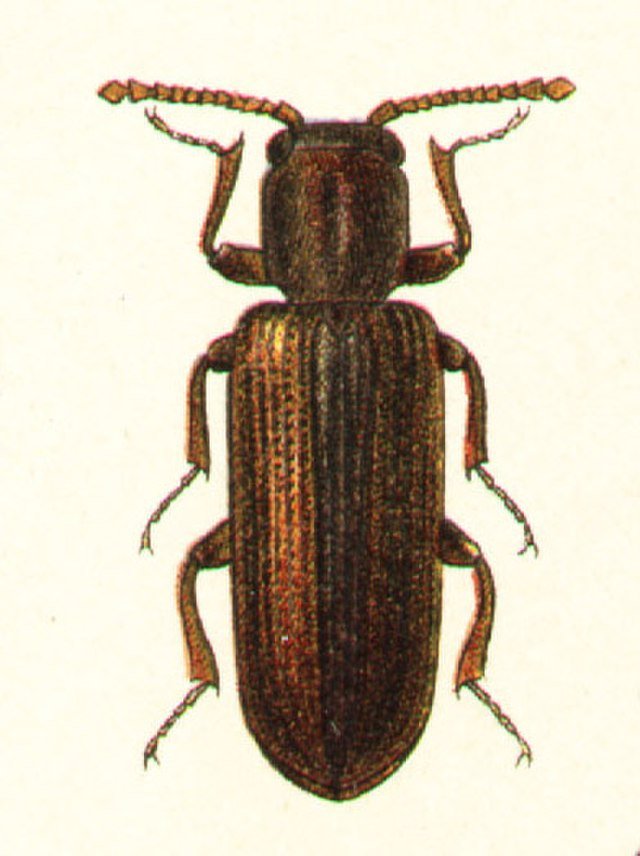
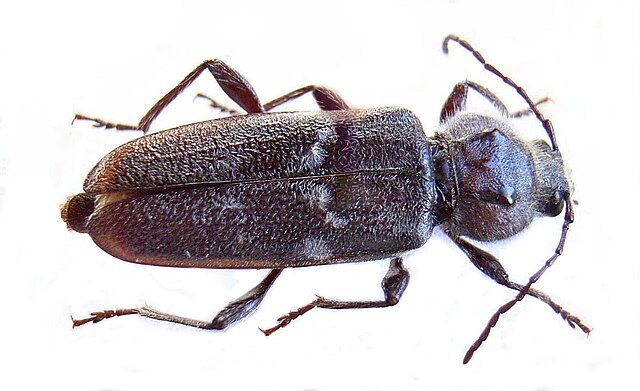
Termites are often confused with ants, carpenter ants, powderpost beetles, and wood-boring beetles.
A quick rule: termite wings are equal in size; ant wings are not.
Biology & Ecology
Termites are active year-round. Their survival depends on moisture, stable temperatures, and access to wood or cellulose. Winter does not stop them—it simply changes where they operate.
Subterranean Termites
-
Stay deep in soil where temperatures remain stable
-
Move through mud tubes into heated buildings
-
Continue feeding inside walls, floors, and wooden structures
Drywood Termites
-
Live entirely inside dry wood
-
Remain active in warm indoor environments
-
Winter has almost no effect on their activity
Dampwood Termites
-
Prefer moist, decaying wood
-
Activity slows in cold climates, but they continue feeding in protected areas
In Europe, the USA, Australia, and Asia, winter termite behavior depends on housing design, soil temperature, and humidity. Homes with heating, basements, and crawl spaces can support termite activity even in freezing outdoor conditions.
Global Distribution
Termites are present on every continent except Antarctica, but the level of winter activity varies.
Are termites active in winter?
Νorthern USA:
Subterranean termites remain active in winter inside soil and heated buildings. Outdoor activity slows but does not stop.
Central Europe:
Termites exist but are less common. Indoor winter activity is possible; outdoor activity is low.
Southern Canada:
Outdoor activity drops sharply, but termites stay active in heated structures and deeper soil layers.
Northern Europe:
Termites are rare overall, so activity is low mainly because populations are limited, not because winter reduces their activity.
Japan & South Korea:
Both countries have strong subterranean and Formosan termite populations that remain active in winter, especially underground and inside buildings.
Cold mountainous regions:
Outdoor activity is minimal in extreme cold, but indoor activity can continue if colonies exist inside heated buildings.
Risks / Damage
Termites cause structural damage because they feed on cellulose inside wood. Winter activity can be especially dangerous because it often goes unnoticed.
Damage includes:
-
Hollowing of wooden beams
-
Damage to flooring and skirting boards
-
Weakening of load-bearing structures
-
Destruction of stored wooden items or furniture
-
Costs for repairs that can reach thousands of dollars
Unlike carpenter ants, termites actually consume wood.
Unlike powderpost beetles, they maintain continuous colonies that grow all year.
Termites do not spread diseases, but structural damage poses serious safety risks.
Signs of Infestation
Winter signs of termite activity include:
-
Mud tubes on walls, foundations, beams, or crawl spaces
-
Hollow or soft-sounding wood
-
Blistered or uneven flooring
-
Frass (small pellets) in the case of drywood termites
-
Warping doors or windows
-
Swarmers emerging indoors on warm winter days
If you notice termite wings during winter inside a heated building, the colony is likely active inside the structure.
Control & Prevention Methods
Moisture Management
-
Fix leaks around bathrooms, kitchens, basements, and roofs. Keeping the wood dry is essential.
-
Improve drainage around the property
-
Use dehumidifiers in damp areas
Structural Protection
-
Seal gaps in foundations, utility lines, and wall penetrations
-
Remove wood-to-soil contact
-
Store firewood away from the building
-
Maintain at least 15 cm clearance between soil and structural wood
Monitoring
-
Install termite bait stations
-
Inspect basements, crawl spaces, and wooden structures regularly
-
Use moisture meters to identify problem areas
These steps also help against carpenter ants, silverfish, wood-boring beetles, and other moisture-related pests.
Advanced / Professional Approaches
Professional termite control may include:
-
Soil treatments with long-lasting termiticides
-
Baiting systems to eliminate colonies over time
-
Foam or dust injections into wall voids
-
Heat or cold treatments for drywood termite control
-
Full structural inspection using thermal cameras or acoustic tools
For cafés, food shops, and small businesses, regular inspections are essential because termite infestations can threaten the safety and legal compliance of the building.
Cultural or Historical Context
Termites have been present in human structures for thousands of years. Ancient texts from Asia and Africa mention “wood-eating spirits”, long before termites were scientifically described. In modern times, termites are one of the most economically important pests worldwide, especially because winter activity allows them to damage structures quietly when homeowners are less vigilant.
FAQ
1. Are termites active in winter?
Yes. They remain active inside soil, protected wood, or heated buildings.
2. Do termites die in cold weather?
Only in exposed conditions. Underground or indoors, they survive easily.
3. Can termites infest homes during winter?
Yes. Heated buildings provide perfect conditions for activity.
4. What are signs of winter termite activity?
Mud tubes, hollow wood, frass, and swarmers inside the home.
5. Are termites more dangerous in winter?
They can be, because infestations are harder to notice.
6. How do I get rid of termites in winter?
Professional treatment—soil barriers or bait systems—is the most reliable.
7. Do DIY termite sprays work in winter?
Surface sprays are not effective. Colonies must be eliminated at the source by professionals.
Learn more about Wildlife & Vertebrate Pests
Final Thoughts
Termites remain one of the most destructive pests I deal with, and winter does not slow them down. In many inspections, I find that people assume cold weather protects their home, so they stop checking basements, crawl spaces, and wooden structures. This gives termites the perfect chance to continue feeding unnoticed.
Good monitoring, moisture control, and early professional intervention are the most effective ways to protect a property. Whether it is a home, café, or small business, winter is actually one of the most important seasons to stay alert.
Disclaimer
This article is for informational purposes only. Pest control laws and approved chemicals vary by country. For best results and legal safety, we strongly recommend contacting a licensed pest control professional in your local area. Always make sure that the pest control technician is properly certified or licensed, depending on your country’s regulations. It’s important to confirm that they only use approved products and apply them exactly as instructed on the product label. In most places in Europe, the UK, or the USA, following label directions is not just best practice—it’s the law.
Author Bio
Nasos Iliopoulos, BSc Agronomist & Certified Pest Control Expert
Scientific Director – Advance Services (Athens, Greece)
Licensed Pest Control Business – Ministry of Rural Development & Food (GR)
References
-
University of California Statewide Integrated Pest Management Program (UC IPM) – Termite Management
-
Texas A&M Agrilife Extension – Termite Identification and Signs
-
CSIRO (Australia) – Managing Termites