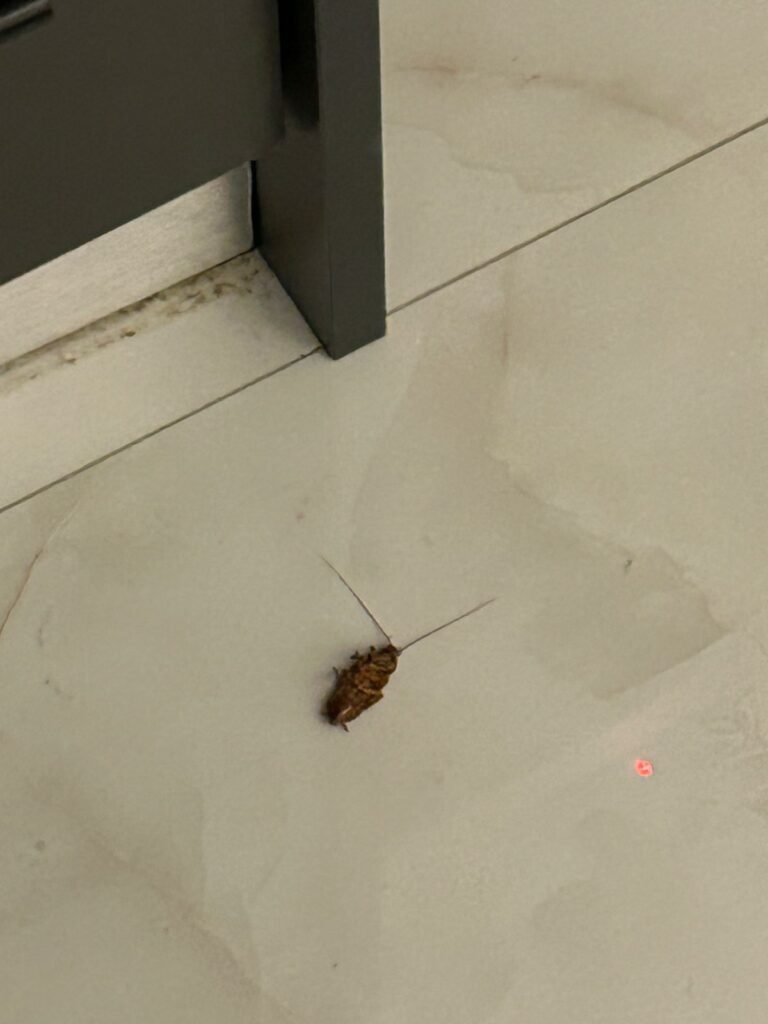
Brown Marmorated Stink Bugs (Halyomorpha halys)
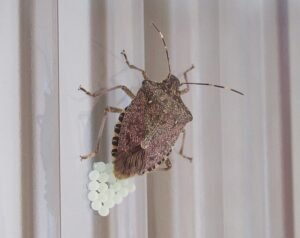 I have treated many infestations of brown marmorated stink bugs in homes, cafés, warehouses, fruit shops, and small businesses, everywhere. These insects cause frustration because they appear sometimes in large numbers, especially during autumn and winter when they enter buildings to escape the cold. The brown marmorated stink bug (Halyomorpha halys) is an invasive species that spreads quickly and affects both indoor environments and agricultural areas.
This guide explains how to identify them, how they behave, what risks they bring to homes and crops, and how to control them safely and effectively.
Identification
The brown marmorated stink bug is a shield-shaped insect belonging to the family Pentatomidae. It should not be confused with native stink bug species in each region, such as the green stink bug (Nezara viridula) commonly found in Mediterranean and Southern Europe, or native North American species like the green stink bug (Chinavia hilaris) and other local Pentatomidae. It can also be mistaken for boxelder bugs, leaf-footed bugs, leafhopper assassin bug or kissing bugs, but these insects belong to different groups and behave differently.
Key identification features:
-
Shield-shaped body, 12–17 mm long
-
Brown mottled (marmorated) pattern on wings and thorax
-
Alternating dark and white bands on antennae
-
Light banding along the edges of the abdomen
-
Emits a strong odor when crushed
Nymphs are smaller, rounder, and often red, black, or brown with yellow patches. Adults fly well and often gather around windows, lights, attics, and wall voids.
Biology & Ecology
Stink bugs are highly adaptable and survive in a wide range of climates.
Life cycle:
-
Adults seek warm indoor spaces in autumn (overwintering behavior)
-
They remain dormant until spring
-
In warm climates, two generations per year; in cooler climates, one
-
Females lay clusters of 20–30 eggs on leaf undersides
-
Nymphs feed on plant juices and fruit
Diet:
-
Apples, peaches, pears
-
Tomatoes, peppers
-
Soybeans, corn
-
Ornamentals and garden plants
Their feeding habits cause major agricultural losses in many countries. Indoors, they do not bite or damage structures like termites or carpenter ants, but they cause strong odors and nuisance infestations.
Global Distribution
The brown marmorated stink bug is native to East Asia (China, Japan, Korea) and has spread rapidly.
Common regions:
-
USA (East Coast, Midwest, West Coast)
-
Canada (Ontario, British Columbia)
-
Europe (Italy, Greece, France, Germany, Switzerland)
-
Australia (localized detections and quarantine programs)
-
New Zealand (strict biosecurity due to invasion risk)
-
Spread across Asia in both agricultural and urban environments
Its widespread distribution follows the same pattern seen with other invasive insects like Asian tiger mosquitoes, brown house spiders, and Formosan termites.
Risks / Damage
Indoor Risks
-
Large numbers inside homes and businesses
-
Strong odor when disturbed
-
Staining on walls or curtains
-
Noise when flying around lights or windows
They do not:
-
Bite humans
-
Spread diseases
-
Damage wood or structures
Outdoor / Agricultural Risks
-
Severe crop losses in fruit orchards
-
Deformed or “catfaced” fruit due to feeding
-
Damage to vegetables and field crops
-
Reduced yield and commercial value
The stink bug has become a major threat to farming industries in the USA, Europe, and parts of Asia.
Signs of Infestation
Indoor signs:
-
Many bugs gathering around warm surfaces, windows, and light sources
-
Bugs entering through cracks, vents, chimneys, or wall gaps
-
Presence in attics, wall voids, and storage rooms
-
Odor when bugs are crushed accidentally
Outdoor signs:
-
Feeding damage on fruit (sunken spots, deformities)
-
Clusters of eggs on leaves
-
Large groups on buildings in autumn
-
Nymphs crawling on crops and garden plants
Their habits resemble other seasonal invaders such as boxelder bugs and cluster flies.
Control & Prevention Methods
Non-Chemical Prevention
-
Seal cracks around windows, roofs, vents, and siding
-
Install screens on windows and doors
-
Use weatherstripping around entry points
-
Reduce outdoor lighting at night (lights attract them)
-
Vacuum bugs instead of crushing them indoors, or remove them with a napkin by your hand and release them outside. This what i do when i see just one or two.
Indoor Management
-
Use a vacuum with disposable bags
-
Place sticky traps in attics and wall voids
-
Keep indoor spaces clean and reduce clutter
-
Avoid crushing bugs to prevent odor release
Outdoor Management
-
Remove weeds and vegetation close to structures
-
Inspect gardens regularly
-
Use row covers in vegetable gardens
-
Maintain screens over vents and chimneys
These steps also reduce problems from earwigs, spiders, silverfish, and ants, which often enter through the same gaps.
Advanced / Professional Approaches
Professional pest control services may use:
-
Targeted residual insecticides on exterior entry points and around the buildings.
-
Mechanical exclusion programs for buildings
-
Cluster reduction treatments in attics and wall voids
-
Monitoring systems for orchards and farms
-
Integrated Pest Management (IPM) plans for commercial businesses
Agricultural professionals should use:
-
Pheromone traps
-
Border sprays
-
Biological control (e.g., Trissolcus japonicus, the samurai wasp)
-
Crop monitoring and early intervention
In cafés and food shops, preventing indoor entry is the priority because dead stink bugs near food areas can violate hygiene standards.
Cultural or Historical Context
In all the world, stink bugs have been known for centuries due to their odor and agricultural damage as it is an invasive species. The strong smell produced during defense made stink bugs unwanted, but their biology explains the odor simply: chemical compounds released to avoid predators.
FAQ
1. Do brown marmorated stink bugs bite?
No. They do not bite or sting humans.
2. Why do they enter houses in autumn?
They seek warm, dry places to overwinter.
3. How can I get rid of stink bugs indoors?
Use a vacuum, seal entry points, and avoid crushing them.
4. Are stink bugs dangerous to pets?
They are not dangerous, but pets may experience mild irritation if they eat them.
5. What is the smell made of?
A defensive secretion containing aldehydes that repel predators.
6. What crops do they damage?
Apples, peaches, pears, tomatoes, corn, soybeans, and many ornamentals.
7. Are chemical sprays effective?
They can help outdoors, but prevention and sealing are always more effective indoors.
8. Do stink bugs infest food?
No. They do not infest stored food like pantry moths or beetles.
Final Thoughts
Brown marmorated stink bugs are one of the most common seasonal invaders I see in homes and small businesses. They do not cause structural damage and they do not harm people, but they can appear suddenly in large numbers and create serious nuisance problems. In many inspections, I find that once the building is properly sealed and outdoor lighting is reduced, the population drops quickly. For farms, orchards, and garden centers, early monitoring is essential because this insect can cause major economic losses. With the right prevention steps and a consistent strategy, stink bug problems can be controlled safely and efficiently.
For more on indoor pests like this one, see our full Urban & Indoor Pests guide.
Disclaimer
This article is for informational purposes only. Pest control laws and approved chemicals vary by country. For best results and legal safety, we strongly recommend contacting a licensed pest control professional in your local area. Always make sure that the pest control technician is properly certified or licensed, depending on your country’s regulations. It’s important to confirm that they only use approved products and apply them exactly as instructed on the product label. In most places in Europe, the UK, or the USA, following label directions is not just best practice—it’s the law.
Author Bio
Nasos Iliopoulos, BSc Agronomist & Certified Pest Control Expert
Scientific Director – Advance Services (Athens, Greece)
Licensed Pest Control Business – Ministry of Rural Development & Food (GR)
References
-
University of California Statewide Integrated Pest Management (UC IPM) – Brown Marmorated Stink Bug
-
Penn State Extension – Halyomorpha halys Identification and Behavior
-
Oregon State University Extension – Stink Bug Damage in Crops