Slug (Gastropoda – terrestrial slugs)
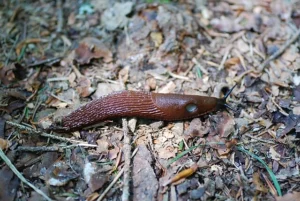 Slugs are one of those pests that almost everyone hates, it is a land snail. I see them very often in gardens, greenhouses, and damp outdoor areas around homes and small businesses. I have dealt with many slug problems in private gardens, plant nurseries, and outdoor spaces.
Most people think slugs appear suddenly. In reality, they build up slowly and then seem to show up “overnight,” usually after rain or heavy watering.
One thing is always true: slugs love moisture. When the ground stays wet and there is organic material around, slug activity increases fast. People usually ask me for chemicals or want me to remove them by hand. Both options can work, but only if you first understand how slugs live and behave.
Identification
Slugs are soft-bodied animals called mollusks, in the group Gastropoda. Unlike snails, they do not have a shell. Their bodies are long, wet, and covered in slime.
Most slugs are:
-
Brown
-
Grey
-
Black
-
Yellowish or spotted (depending on the species)
Adult slugs are usually between 2 and 15 cm long. The easiest sign to spot is the shiny slime trail they leave behind on soil, leaves, stones, walls, or pavements.
Other pests often found in the same places are snails, earwigs, pillbugs, and millipedes.
Biology & Ecology
Slugs are mainly active at night. During the day, they hide anywhere that is cool, dark, and wet. Common hiding spots include stones, plant pots, wooden boards, mulch, thick plants, and garden debris.
At night, or right after rain, they come out to feed.
They eat:
-
Dead leaves
-
Rotting wood
-
Algae and fungi
-
Fresh plants, especially young leaves and seedlings
Slugs do help nature by breaking down organic matter, they have a very importan role in the ecosystem. The problem starts when they move on to plants we want to protect.
Slugs are hermaphrodites, which means every slug can lay up to 30 eggs. When conditions are good, their numbers increase very quickly. Eggs are usually laid in moist soil, under debris, or inside small cracks.
Global Distribution
Slugs live almost everywhere in the world, especially in areas with mild and wet weather.
-
Europe: Very common in gardens, vineyards, and vegetable farms
-
United States: A serious garden pest, especially in cooler or coastal areas
-
Australia: A major problem after rain, both in gardens and agriculture
-
Asia: Common in rice fields, gardens, and urban green spaces
If there is moisture, shade, and food, slugs will adapt easily.
Risks / Damage
Slugs do not damage buildings, but they can cause serious problems in gardens and outdoor spaces and cause economical loss in agriculture.
Common damage includes:
-
Holes in vegetables like lettuce, cabbage, herbs, and strawberries
-
Chewed leaves and stems
-
Seedlings destroyed in one night
-
Contaminated produce in food businesses
-
Slimy surfaces in gardens and outdoor seating areas
Their slime trails on walls, paths, and entrances look bad and are unhygienic, especially for cafés and food shops.
Signs of Infestation
The first signs of slug activity I usually look for are:
-
Shiny slime trails on soil, leaves, tiles, or stone
-
Irregular holes in leaves, as close to the ground as possible
-
Young plants can be eaten and disappearing overnight
-
Slugs visible early in the morning, late at night, or after rain
-
Heavy activity in shaded and wet areas
If you keep seeing these signs, action is needed.
Control & Prevention Methods for Slugs
Slug control works best when you use more than one method.
Moisture Management for Slugs
This is the most important step and helps for other pests as well like millipedes.
-
Do not overwater
-
Water early in the morning, not at night
-
Improve drainage where possible
-
Remove wet mulch and rotting debris
Less moisture means fewer slugs.
Habitat Reduction
-
Remove rotten wood and fallen leaves if possible
-
Lift pots and boards and clean underneath
-
Keep garden edges clean and tidy
Slugs need hiding places. Take those away, and their numbers drop.
Manual Removal
This works very well for small and medium problems.
-
Collect slugs by hand
-
Use gloves if you don’t like touching them.
-
Focus on damp hiding spots
It is simple, but it works if you do it regularly.
Traps and Barriers
Some traditional methods still help:
-
Beer or yeast traps: fermentation gives off a complex blend of smells that mimic the scent of their food, which attracts slugs.
-
Wooden boards or oak bark: slugs hide underneath; remove them the next day
-
Ash or rough materials: can slow slugs down, but only when dry
These methods reduce numbers but rarely solve the problem alone.
Soil pH Adjustment
Some people suggest changing soil pH, but perhaps it is a bad idea for your plants. Slugs can survive in many soil conditions, so this should not be your main solution. I would avoid it at all.
Advanced / Professional Approaches
In professional pest control, prevention always comes first. A professional looks at your specific problem and knows what works and what does not.
They will:
-
Use only approved slug products where allowed following regulations
-
Apply them exactly as the label says
-
Keep treatments away from pets, wildlife, and food areas
-
Monitoring and check results over time, not just once
Professional help is a good idea when:
-
Damage is heavy
-
The area is large
-
Food safety is a concern
-
DIY methods keep failing
Using chemicals the wrong way often makes the situation worse.
Frequently Asked Questions (FAQ)
How can I get rid of slugs naturally?
Reduce moisture, remove hiding places, collect them by hand, and use simple traps. Do this regularly.
Why do slugs come out after rain?
Rain keeps their bodies moist, so they can move and feed without drying out.
Are slugs dangerous to people?
No. They are mainly a plant and hygiene problem, not a direct threat to humans.
Do slugs eat only plants?
No. They prefer dead organic matter but will eat living plants when they can.
Do beer traps really work?
Yes, they attract slugs, but they only reduce numbers. They are not a full solution.
When should I call a professional?
When damage is serious, the area is large, or food safety is involved.
Final Thoughts
Slugs are not a mystery. They show up where moisture, shelter, and food exist together. In most cases, a slug problem means the environment favors them. I have seen many gardens and outdoor business areas improve just by reducing moisture, cleaning hiding spots, and using simple control methods consistently.
Chemicals can help in some cases, but they should never be the first choice. Long-term control always comes down to prevention, monitoring, and realistic expectations. When damage becomes unacceptable or food hygiene matters, professional pest control is the safest option.
Learn more about other agricultural and outdoor pests that affect gardens and crops.
Disclaimer
This article is for informational purposes only. Pest control laws and approved chemicals vary by country. For best results and legal safety, we strongly recommend contacting a licensed pest control professional in your local area. Always make sure that the pest control technician is properly certified or licensed, depending on your country’s regulations. It’s important to confirm that they only use approved products and apply them exactly as instructed on the product label. In most places in Europe, the UK, or the USA, following label directions is not just best practice—it’s the law.
Author
Nasos Iliopoulos
BSc Agronomist & Certified Pest Control Expert
Scientific Director – Advance Services (Athens, Greece)
Licensed Pest Control Business – Ministry of Rural Development & Food (GR)
References
-
University of California Agriculture and Natural Resources – Slug and Snail Management
-
Penn State Extension – Slugs and their control
-
Oregon State University Extension – Slug Control in Home Gardens