Sticktight Flea (Echidnophaga gallinacea – sticktight flea)
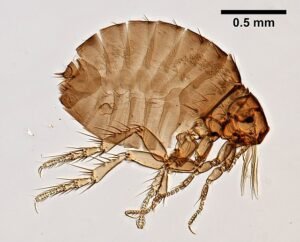 The sticktight flea is a small but very persistent pest. Unlike common fleas, this species does not jump on and off the host. Instead, it attaches itself firmly to the skin and stays there for long periods. I usually see problems with sticktight fleas around homes with pets, small farms, backyard chickens, storage areas, and outdoor cafés where animals or birds are present.
People often confuse sticktight fleas with regular cat fleas or dog fleas. The behavior is very different. Because they stay attached, infestations can last longer and cause constant irritation if not handled correctly.
Identification
The sticktight flea (Echidnophaga gallinacea) is a small, dark flea that attaches tightly to the skin of animals.
Key identification points:
-
Very small, dark brown to black flea
-
Stays attached to the host instead of jumping away
-
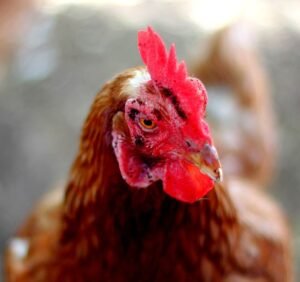
Often found around eyes, ears, combs, wattles, or between toes
-
Appears as a dark “dot” stuck in the skin
They are commonly found on:
-
Poultry (chickens, turkeys)
-
Dogs and cats
-
Wildlife and birds
-
Occasionally humans (rare, but possible)
Related pests often found in the same environments include fleas, mites, lice, and ticks.
Biology & Ecology
 Sticktight fleas behave differently from most fleas. Adult females attach to the host’s skin and feed continuously. While attached, they lay eggs that fall into the surrounding environment.
Their life cycle includes:
-
Eggs falling into soil, bedding, or cracks
-
Larvae developing in dry, protected areas
-
Pupae emerging as adults
-
Adults attaching to a new host
They prefer warm, dry environments and are very common in:
-
Animal housing
-
Coops and kennels
-
Cracks in concrete or wood
-
Soil near resting areas
Because they stay attached, infestations can go unnoticed at first.
Global Distribution
The sticktight flea is found worldwide, especially in warm and temperate climates.
-
Europe: Mostly in rural or semi-rural settings
-
United States: Common in southern states and backyard poultry setups
-
Australia: Found around poultry and wildlife
-
Asia: Present in farming and outdoor animal environments
They spread easily through animals, birds, and contaminated environments.
Risks / Damage
Sticktight fleas do not cause structural damage, but they create serious animal welfare and hygiene problems.
Main risks include:
-
Constant irritation and discomfort
-
Skin inflammation and sores
-
Secondary infections from scratching
-
Reduced productivity in poultry
-
Stress in pets and animals
In food-related environments, visible flea infestations can also create serious hygiene and reputation issues.
Signs of Infestation
Typical signs I look for include:
-
Small dark spots stuck to skin, especially around eyes or ears
-
Animals scratching or rubbing constantly
-
Red, inflamed skin around attachment sites
-
Scabs or thickened skin
-
Fleas visible but not jumping away
In poultry, infestations are often seen around the eyes and comb.
Control & Prevention Methods
Successful control always combines animal treatment and environmental management.
On the Animal
-
Careful removal of attached fleas
-
Use of approved topical treatments
-
Treat all animals at the same time
Never pull fleas without protection or guidance, as improper removal can damage the skin.
Environmental Control
-
Clean and replace bedding
-
Vacuum cracks, corners, and resting areas
-
Wash animal areas with hot water
-
Reduce dust and debris buildup
Environmental treatment is critical. Treating only the animal usually fails.
Advanced / Professional Approaches
Professional pest control is often needed when infestations are widespread or persistent.
Professional approaches may include:
-
Full inspection of animal and resting areas
-
Use of approved residual insecticides
-
Targeted treatment of cracks and soil
-
Follow-up inspections to break the life cycle
In mixed environments (pets, birds, food areas), professional guidance helps avoid misuse of products.
Cultural or Historical Context
Sticktight fleas have been known for centuries, especially in poultry farming. Before modern pest control, infestations caused major losses in small farms. Even today, they remain a common issue where animals and dry outdoor environments meet.
Frequently Asked Questions (FAQ)
Are sticktight fleas the same as regular fleas?
No. They attach to the skin and stay there instead of jumping away.
Can sticktight fleas infest homes?
Yes, especially areas where pets rest or birds nest.
Do sticktight fleas bite humans?
Rarely, but attachment to human skin can happen.
Why do infestations last so long?
Because adults stay attached and keep laying eggs into the environment.
Do natural remedies work?
They may reduce irritation but rarely solve the problem alone.
When should professional pest control be used?
When animals are heavily infested or the environment is contaminated.
Sticktight fleas are a small pest, but they create long-lasting problems when they are ignored. Because they attach firmly to the host and keep laying eggs into the environment, infestations rarely solve themselves. In my experience, the biggest mistake is treating only the animal and not the surrounding area.
Good results come from a combined approach: proper animal care, environmental cleaning, and follow-up checks. When infestations involve multiple animals, poultry, or food-related spaces, professional pest control support is often the safest and most effective solution. Early action always reduces stress, cost, and long-term damage.
Learn more about other agricultural and outdoor pests that affect agriculture, gardens, livestock and crops.
Disclaimer
This article is for informational purposes only. Pest control laws and approved chemicals vary by country. For best results and legal safety, we strongly recommend contacting a licensed pest control professional in your local area. Always make sure that the pest control technician is properly certified or licensed, depending on your country’s regulations. It’s important to confirm that they only use approved products and apply them exactly as instructed on the product label. In most places in Europe, the UK, or the USA, following label directions is not just best practice—it’s the law.
Author
Nasos Iliopoulos
BSc Agronomist & Certified Pest Control Expert
Scientific Director – Advance Services (Athens, Greece)
Licensed Pest Control Business – Ministry of Rural Development & Food (GR)
References
-
University of Florida IFAS Extension – Sticktight Flea (Echidnophaga gallinacea)
-
Centers for Disease Control and Prevention (CDC) – Fleas Biology and Control