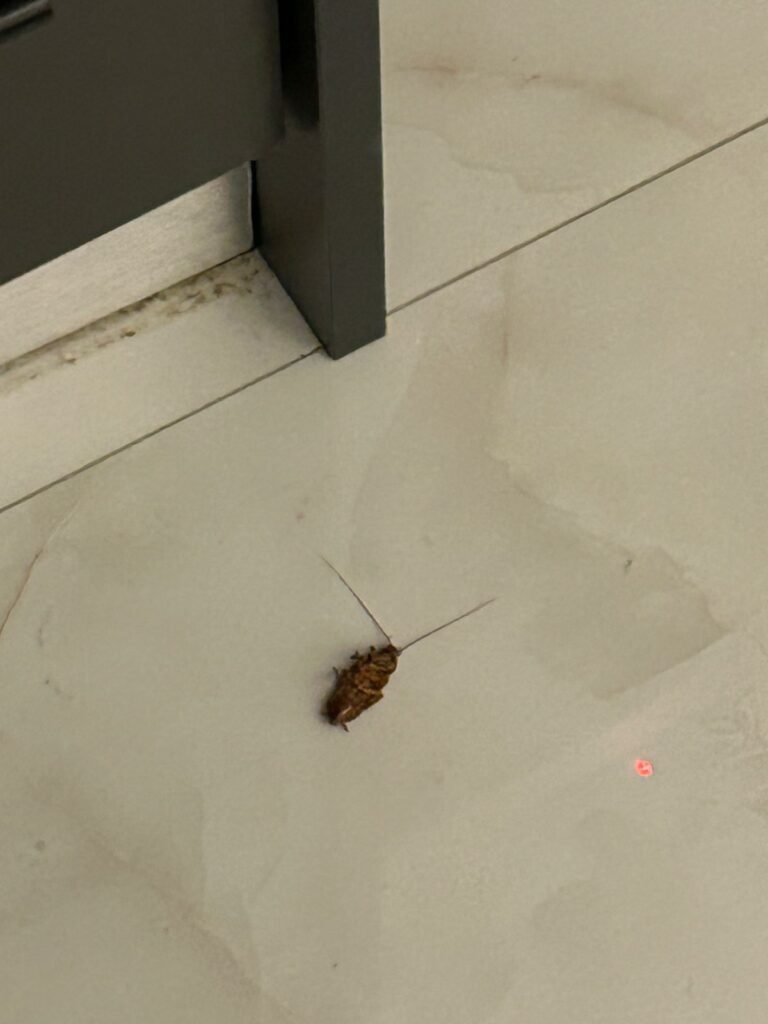
How to Get Rid of Cockroaches in Kitchen
Finding a cockroach in your kitchen is one of the worst feelings. One moment you are grabbing a late-night snack, and the next, something scurries across the counter. It is a gross urban pest, it is stressful, and it makes you wonder how bad the problem really is.
The good news? You can get rid of cockroaches in your kitchen. It takes a bit of work, but with the right steps, you can clear them out and keep them from coming back.
Why Are Cockroaches in Your Kitchen?
Before you can fix the problem, it helps to understand why they are there in the first place. Cockroaches are looking for three things: food, water, and shelter. Your kitchen has all three.
Even a clean kitchen can attract roaches. A few crumbs under the fridge, a slow drip under the sink, or a stack of cardboard boxes in the corner is enough to invite them in. They can squeeze through gaps as small as a dime, so they do not need much space to get inside.
Common cockroach hiding spots in the kitchen include:
- Under and behind the refrigerator
- Inside cabinet hinges and door gaps
- Under the stove and around the burners
- Behind the dishwasher
- Inside cracks in walls or baseboards
- Near the trash can or compost bin
Step 1: Deep Clean Your Kitchen
The first step is to take away their food supply. Cockroaches can survive on almost anything, grease, crumbs, even soap residue. A thorough clean makes your kitchen a lot less appealing to them.
Here is what to do:
- Wipe down all counters and stovetops after cooking
- Sweep and mop the floor, especially under appliances
- Clean inside cabinets and pantry shelves
- Empty and clean out the trash can regularly
- Fix any drips or leaks under the sink
- Store food in airtight containers including pet food
Do not forget grease buildup. Built-up grease behind the stove is one of the most overlooked food sources for cockroaches. Many homeowners clean visible kitchen surfaces but ignore the hidden areas behind appliances where grease, crumbs, and moisture collect for months.
In practice, technicians often find the main activity behind stoves, refrigerators, and dishwashers rather than in open kitchen areas. In addition, pesticides do not work properly when heavy grease is present because the residue blocks contact and reduces treatment effectiveness. Pull the stove out, deep clean the area, and remove the food source before applying any professional treatment.
Step 2: Seal Entry Points
Killing the roaches already inside is important, but you also need to stop more from getting in. Walk around your kitchen and look for any gaps or cracks.
Pay close attention to:
- Gaps around pipes under the sink
- Spaces between the wall and baseboards
- Cracks around window frames and door frames
- Holes around electrical outlets and switch plates
Use caulk or expanding foam to seal these gaps. It is a simple fix that makes a big difference. Steel wool also works well around pipes since roaches cannot chew through it.
Step 3: Use Cockroach Bait
Cockroach bait is one of the most effective treatments you can use without calling a professional. It comes as a gel that you place in small amounts near roach hiding spots.
How it works is simple. The roach eats the bait and carries it back to the nest. Other roaches then feed on the dead roach or the bait it left behind, which spreads the poison through the whole colony.
Place small dots of gel bait in these spots:
- Inside cabinet hinges
- Under the sink near the pipes
- Along the back edge of shelves
- Behind and under the fridge and stove
Do not spray insecticide on top of the bait. The spray will repel roaches away from the bait and make it useless. Stick to one method at a time.
Step 4: Set Out Roach Traps
Sticky traps are great for two reasons. They catch roaches, and they help you figure out where the main problem areas are. Place them near walls and in the corners of cabinets.
Check the traps every few days. Wherever you find the most roaches is where you should focus your treatment. Traps alone will not eliminate a big infestation, but they work well alongside bait and other methods.
Step 5: Apply Boric Acid or Diatomaceous Earth
These are two natural powders that kill cockroaches without harsh chemicals.
Boric acid sticks to the roach’s body and gets ingested when the roach cleans itself. It is very effective but needs to be applied as a thin, barely-visible layer. Too much and the roaches will avoid it.
Diatomaceous earth is made from crushed fossils. It damages the outer shell of the roach and causes it to dry out. It is safe to use in kitchens and around pets and children when applied correctly.
Apply either powder in a thin layer along the back of cabinet shelves, under appliances, and behind the stove. Keep it dry β€” these powders stop working when they get wet.
Step 6: Keep Up With Prevention
Getting rid of cockroaches is only half the battle. Keeping them out is just as important. Once you have cleared the infestation, these habits will help make sure they do not come back:
- Never leave dirty dishes in the sink overnight
- Take out the trash every night
- Wipe down counters after every meal
- Fix leaky faucets right away
- Check grocery bags and cardboard boxes before bringing them inside
- Do not leave standing water anywhere in the kitchen
Roaches are opportunists. Remove the opportunity and they will look elsewhere.
When to Call a Pest Control Professional
If you have tried these steps and still see roaches after a few weeks, it may be time to call in the experts. A large or deeply hidden infestation can be very hard to tackle on your own.
A professional pest control service will inspect your home, identify the species, and apply targeted treatments in hard-to-reach areas. They can also help you find entry points you may have missed and set up a long-term prevention plan.
Do not wait too long. Cockroaches breed fast. A small problem can become a big one in just a few weeks.
Frequently Asked Questions
How do I know if I have a cockroach infestation?
The most obvious sign is seeing a roach, especially during the day. Cockroaches are usually nocturnal, so spotting one in daylight often means the nest is overcrowded. Other signs include dark, pepper-like droppings, a musty smell, and shed skin or egg cases in dark corners.
What attracts cockroaches to the kitchen?
Cockroaches are drawn to food crumbs, grease, moisture, and warm hiding spots. Even a kitchen that looks clean can have enough leftover residue to attract them. Leaking pipes, open food containers, and gaps in walls all make your kitchen more inviting to roaches.
How long does it take to get rid of cockroaches?
With consistent treatment, most infestations can be controlled within two to four weeks. Severe infestations may take longer and may require professional help. The key is to keep treating and not give up after a few days.
Is it safe to use roach bait around food?
Yes, gel baits are safe to use in kitchens when applied correctly. Place small amounts inside cabinet hinges, behind appliances, and in out-of-the-way spots β€” not directly on food surfaces or open shelves. Always follow the product label instructions.
Can cockroaches come back after treatment?
Yes, they can β€” especially if the root causes are not addressed. Seal cracks, fix leaks, and keep your kitchen clean after treatment. Cockroaches from neighboring units can also move in, so ongoing prevention is important even after the infestation is gone.
Do ultrasonic pest repellers work on cockroaches?
Most studies show that ultrasonic repellers have little to no effect on cockroaches. They may move away from the device briefly, but they quickly get used to the sound. Stick to proven methods like bait, traps, and sealing entry points for the best results.
For more on indoor pests like this one, see our full Urban & Indoor Pests guide.