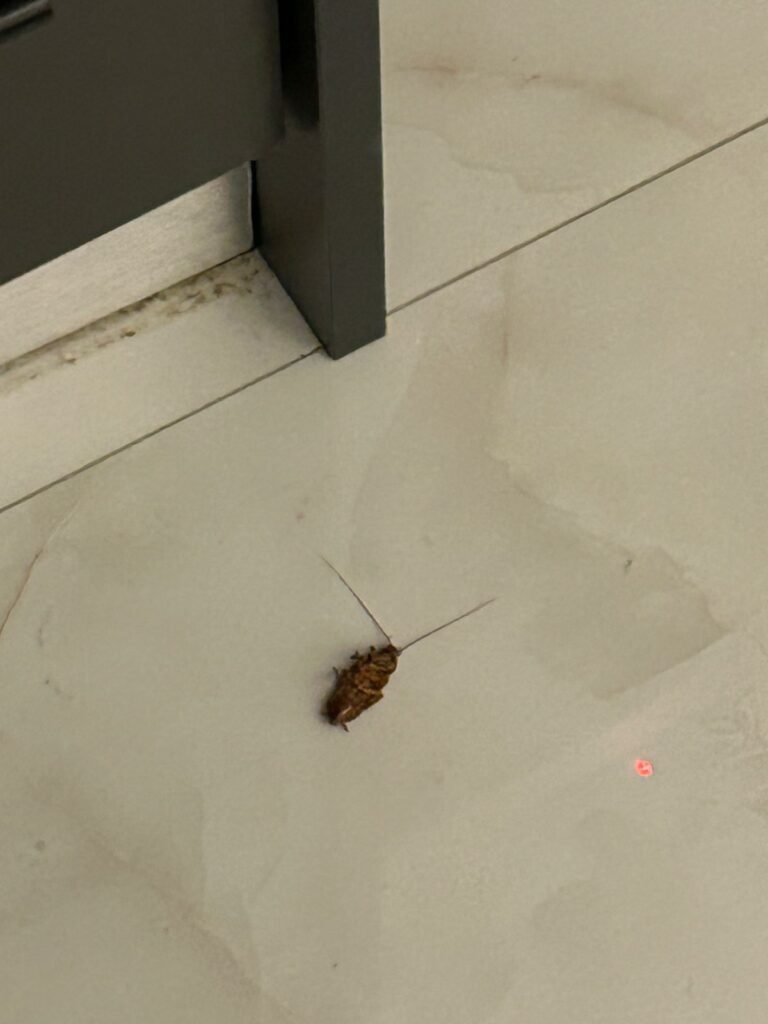
How to Get Rid of German Cockroaches in Your Home
German cockroaches are one of the most common and stubborn indoor pests. They breed fast, hide well, and can take over your home in just weeks. If you have spotted even one, there are likely many more hiding nearby.
The good news is you can get rid of German cockroaches with the right plan. This guide walks you through proven methods to eliminate them and keep them from coming back.
What Are German Cockroaches?
German cockroaches are small, light brown insects with two dark stripes behind their heads. They are about half an inch to five-eighths of an inch long. Unlike other roach species, they live almost entirely indoors.
These roaches love warm, humid spaces close to food and water. You will usually find them in kitchens and bathrooms. They hide in cracks, behind appliances, under sinks, and inside cabinets.
A single female can produce up to 40 eggs at a time. She can have several egg cases in her lifetime. This means a small problem can become a massive infestation very quickly.
Signs You Have a German Cockroach Infestation
Before you start treatment, make sure you are dealing with German cockroaches. Here are the most common signs:
- Live roaches at night: German cockroaches are nocturnal. If you see them during the day, the infestation is likely severe.
- Droppings: Look for small, dark specks that resemble ground pepper. You will find them in drawers, on countertops, and along baseboards.
- Egg cases: These are small, brown, pill-shaped capsules called oothecae. Check behind appliances and in hidden corners.
- Musty odor: A large infestation produces a noticeable, unpleasant smell.
- Smear marks: Dark, irregular streaks along walls and surfaces where roaches travel.
Best treatment for German cockroaches is never just one product
Ιt is a combination of baiting, sanitation, moisture control, and exclusion. In practice, professional pest control relies mainly on high-quality gel baits combined with an Insect Growth Regulator (IGR) and targeted dust applications in hidden voids. Spraying random insecticides around the kitchen usually fails because German cockroaches avoid treated surfaces and continue breeding inside walls and appliances. What works best is forcing them to feed on bait while removing food, grease, and water sources that help them survive. This is why the best treatment for German cockroaches always starts with deep cleaning first, followed by strategic bait placement behind stoves, refrigerators, under sinks, and inside cabinet voids where the real infestation lives.
Step 1: Deep Clean Your Home
Cleaning is the first and most important step. German cockroaches need food, water, and shelter to survive. Remove these, and you make every other treatment more effective.
Start in the kitchen. Wipe down all counters, stovetops, and tables every night. Sweep and mop floors regularly. Clean up crumbs and spills right away.
Store all food in sealed containers. This includes pet food. Do not leave dirty dishes in the sink overnight. Take out the trash every evening and use a can with a tight lid.
Fix any leaking pipes or faucets. German cockroaches need water even more than food. A dripping faucet is like a water fountain for them.
Step 2: Use Gel Bait for Maximum Effect
Gel bait is the most effective tool to get rid of German cockroaches. Products containing fipronil, indoxacarb, or hydramethylnon work very well. You can find these at most hardware stores.
Apply small dots of gel bait in areas where roaches hide and travel. Focus on these spots:
- Behind and under the refrigerator
- Under the stove and dishwasher
- Inside cabinet hinges and corners
- Under the sink near plumbing pipes
- Along baseboards in the kitchen and bathroom
- Behind electrical outlet covers
Roaches eat the bait and carry it back to their nest. Other roaches eat the droppings or dead bodies of poisoned roaches. This chain reaction kills many roaches you never even see.
Step 3: Set Sticky Traps to Monitor Progress
Sticky traps do not eliminate an infestation on their own. But they are very useful for tracking where roaches are most active. Place traps near suspected hiding spots and check them every few days.
The number of roaches caught on traps tells you if your treatment is working. If numbers drop over a few weeks, you are on the right track. If not, you may need to adjust your bait placement.
Step 4: Apply Insecticidal Dust in Hidden Areas
Boric acid and diatomaceous earth are two popular dust treatments. They work well in areas where gel bait is hard to apply. Think wall voids, behind electrical outlets, and deep cracks.
Use a hand duster to apply a very thin layer. Roaches walk through the dust and ingest it when they groom themselves. Too much dust will actually repel them, so less is more.
Keep dust away from areas children and pets can reach. While boric acid has low toxicity, it should still be used carefully.
Step 5: Use an Insect Growth Regulator (IGR)
An insect growth regulator stops young roaches from becoming adults. It also prevents adults from reproducing properly. This breaks the breeding cycle and helps end the infestation faster.
IGR products come as sprays or point-source stations. Apply them in the same areas where you placed bait. Combining IGR with gel bait is one of the most effective strategies professionals use.
Step 6: Seal Entry Points and Hiding Spots
German cockroaches hide in tiny cracks and gaps. Sealing these spots reduces their shelter and forces them to contact your baits and dust.
Use caulk to seal cracks around baseboards, cabinets, and countertops. Fill gaps around pipes with steel wool or foam sealant. Repair any torn window screens and weatherstrip doors.
This step also helps prevent new roaches from entering your home through shared walls in apartments or townhomes.
When to Call a Professional Exterminator
Most German cockroach problems can be handled with DIY methods. But sometimes the infestation is too large or too deep in the walls. If you have been treating for several weeks without improvement, it is time to call a professional.
Professional pest control technicians have access to stronger products and specialized equipment. They can also identify hidden nesting sites you might miss. In severe cases, a professional treatment plan is the fastest path to a roach-free home.
Prevention Tips to Keep German Cockroaches Away
Once you eliminate the roaches, you need to keep them from returning. Follow these simple prevention habits:
- Clean the kitchen every night before bed.
- Store food in airtight containers at all times.
- Fix leaks and wipe up standing water.
- Declutter cabinets, closets, and storage areas.
- Inspect grocery bags and cardboard boxes before bringing them inside.
- Continue using sticky traps to catch early signs of a new problem.
German cockroaches often hitchhike into homes through grocery bags, used furniture, and deliveries. Always inspect items before bringing them inside.
Frequently Asked Questions
How long does it take to get rid of German cockroaches?
With consistent treatment using gel bait and good sanitation, you can see major results within two to three weeks. A full elimination typically takes four to six weeks. Severe infestations may take longer and might require professional help.
Why are German cockroaches so hard to kill?
German cockroaches breed extremely fast. A single female can produce hundreds of offspring in her lifetime. They also hide deep inside walls, appliances, and cracks. Some populations have developed resistance to certain pesticides, which makes using the right products essential.
Can I get rid of German cockroaches without an exterminator?
Yes, many homeowners successfully eliminate German cockroaches on their own. The key is combining gel bait, insecticidal dust, an IGR, and thorough cleaning. Follow a consistent plan for several weeks. If the problem persists, consider calling a professional.
Are German cockroaches dangerous to my health?
Yes, German cockroaches can trigger allergies and asthma, especially in children. They spread bacteria like salmonella and E. coli by contaminating food and surfaces. Their droppings, shed skins, and saliva are all known allergens.
What attracts German cockroaches to my home?
German cockroaches are attracted to warmth, moisture, and easy access to food. Dirty kitchens, leaking pipes, and open food containers are major attractors. They can also enter your home through grocery bags, packages, and secondhand furniture.
Do ultrasonic repellers work on German cockroaches?
There is no strong scientific evidence that ultrasonic pest repellers effectively control German cockroaches. Most pest control experts do not recommend them. Stick to proven methods like gel bait, dust, and sanitation for real results.
Can German cockroaches live in clean homes?
Yes, even clean homes can have German cockroaches. They can arrive through deliveries, shared walls in apartments, or used appliances. However, keeping your home clean removes their food and water sources, which makes treatments far more effective and discourages new infestations.
For more on indoor pests like this one, see our full Urban & Indoor Pests guide.