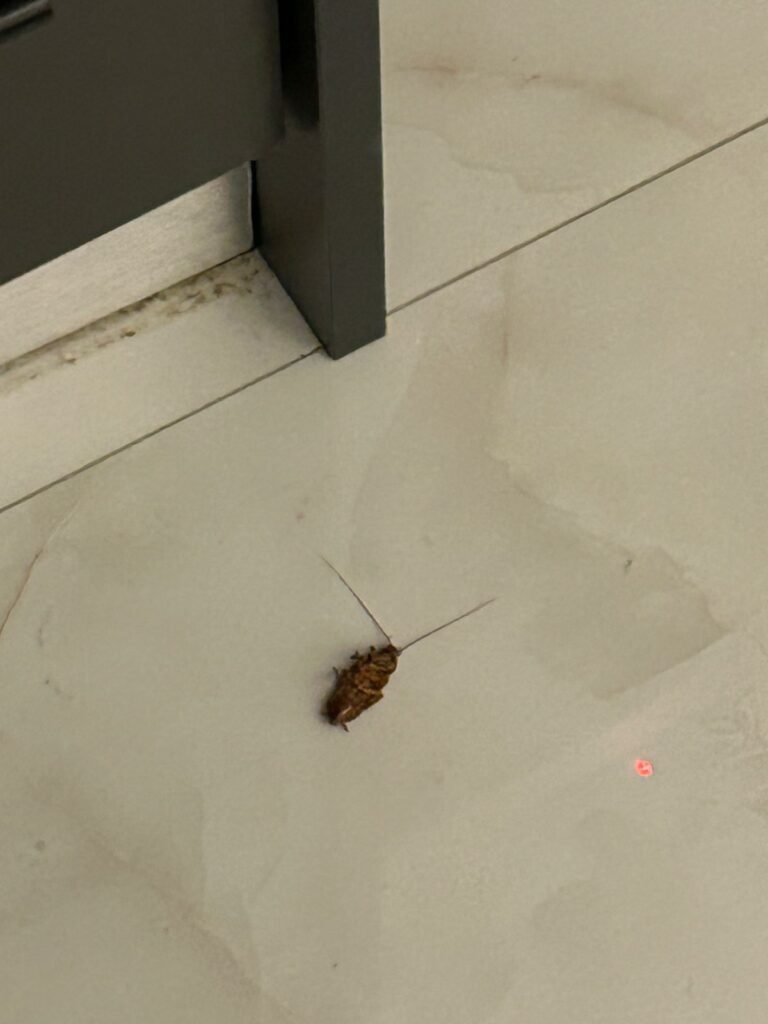
How Do Cockroaches Get in My House? The Real Entry Points Most People Miss
 Cockroaches are among the most frustrating urban indoor pests. People often ask: “My home is clean—so how did cockroaches get inside?”
The truth is simple: cleanliness helps, but it does not stop cockroaches from entering. Roaches are survival experts. They look for water, warmth, shelter, and food—and they can enter a house through extremely small gaps.
The most common household species such as the German cockroach (Blattella germanica) and the American cockroach (Periplaneta americana) are excellent at finding hidden access points.
Understanding how cockroaches get inside is the first step in proper pest control.
What Is a Cockroach Entry Problem?
If you are searching for how to get rid of cockroaches, you must first understand how cockroaches spread and how they access the property.
Cockroach entry happens when roaches move from outdoor areas, neighboring apartments, drains, basements, shafts, wall voids, or hidden structural spaces into your home.[1]
Many people think they “appear suddenly,” but in reality, they enter through structural gaps that are often ignored.[1]
References
Main Ways Cockroaches Get Into Your House
Open Windows at Night Without Screens
One of the most common summer problems is leaving windows open at night without insect screens.
Cockroaches are highly active after dark. They move in search of moisture and food, especially during warm months. Ground-floor apartments, kitchens near courtyards, and homes near garbage areas are especially vulnerable.
Without proper mosquito screens, open windows become open invitations.
This is especially common with larger outdoor species like the American cockroach.
Gaps Under Doors
Even a small gap under the main entrance door is enough.
Cockroaches easily crawl under entrance doors, balcony doors, storage room doors, and basement access doors.
This is very common in apartment buildings where roaches move between common spaces and private homes.
Door sweeps and proper sealing make a major difference.
Cracks Around Aluminum Frames and Overflow Channels
Many people completely ignore aluminum window and balcony frame overflow channels.
These small drainage openings allow water to escape—but they can also allow cockroaches to enter, especially from balconies, terraces, and exterior walls.
In practice, technicians often find infestations starting from these hidden aluminum drainage points, especially in older buildings.
A common mistake is spraying insecticide inside the room while ignoring these structural access points. The problem continues because the entry route remains open.
Openings Made for Air Conditioners and Pipes
Very often, holes are drilled for air conditioning units, plumbing pipes, internet cables, or gas lines.
If these openings are not properly sealed with cement, silicone, or professional fillers, they become perfect highways for cockroaches.
This is one of the most common reasons for sudden infestations after renovations.
What most people don’t realize is that even if the hole looks “small,” cockroaches need only a few millimeters to enter.
Shafts (Service Shafts)
Building shafts are major cockroach highways.
Electrical shafts, plumbing shafts, elevator voids, and service channels create protected dark environments with warmth and humidity—ideal for roaches.
In apartment buildings, one untreated apartment can affect the entire building through these shared spaces.
This is why isolated spraying often fails.
Chimneys and Ventilation Pipes
Kitchen vents, bathroom ventilation pipes, and unused chimneys can all serve as entry routes.
Cockroaches move through vertical structures surprisingly well.
This is especially common in restaurants, cafés, and older apartment buildings where ventilation systems are poorly maintained.
If you run a food business, pest entry through ventilation is also a HACCP concern under food hygiene regulations .
Drains and Siphons (The Biggest Hidden Source)
This is the most important point—and often responsible for nearly 80% of infestations.
Cockroaches frequently enter through:
- bathtub drains
- kitchen sink drains
- bathroom floor drains
- washbasin siphons
- laundry drains
- overflow plumbing systems
Sewer-connected species, especially larger cockroaches, use drain systems as safe travel routes.
If drains are dry, poorly sealed, damaged, or rarely used, roaches can come up directly into the home.
In practice, many homeowners focus only on the kitchen cabinets while the real source is the drain.
This is why signs of cockroach infestation often appear first near bathrooms at night. Learn how to get rid of roaches in drains.
From Bags, Boxes, and Deliveries
Especially with German cockroaches, infestations often arrive hidden inside:
- supermarket cartons
- used appliances
- second-hand furniture
- restaurant deliveries
- storage boxes
- online delivery packaging
See also our guide on bed bugs infestations, where hidden transport is also a major issue.
Signs of Cockroach Infestation
Common signs include:
- seeing roaches at night
- droppings like black pepper
- bad oily odor
- egg cases (oothecae)
- dead cockroaches near walls
- activity around drains
- insects appearing after midnight
If you see one cockroach during the day, there are usually many more hidden.
Best Treatment for Cockroach Problems
The best treatment for cockroaches is never “just spraying.”
It requires:
- identifying the exact entry points
- sealing structural gaps
- drain inspection
- gel bait treatment
- residual insecticide where legally approved
- monitoring and follow-up
Professional pest control works because it targets the source, not just the visible insects.
For food businesses, proper pest management is part of documented preventive programs under HACCP and hygiene regulations .
Prevention Methods
Simple Prevention Steps
- install window screens
- seal door gaps
- repair pipe openings
- inspect AC installation holes
- keep floor drains functional
- run water in rarely used drains
- clean grease areas behind appliances
- avoid cardboard storage
- inspect deliveries
See our guide on ants in the kitchen for similar entry-point prevention strategies.
FAQ
Can cockroaches come from the bathroom drain?
Yes—very often. This is one of the most common hidden sources of infestations.
Do cockroaches enter clean houses?
Absolutely. They mainly search for water and shelter, not only dirt.
Can cockroaches enter from neighbors?
Yes. Shared walls, shafts, plumbing systems, and hallways allow movement between apartments.
Why do I only see cockroaches at night?
Cockroaches are nocturnal. Night activity is normal and often indicates a larger hidden population.
Do air conditioners cause cockroach infestations?
Not directly, but poorly sealed installation holes are a major entry route.
Is spraying supermarket insecticide enough?
Usually no. Without locating the source and sealing entry points, infestations return quickly.
For more on indoor pests like this one, see our full Urban & Indoor Pests guide.
Final Thoughts
Cockroaches do not appear by magic.
They enter through windows, drains, shafts, doors, ventilation systems, pipe gaps, and structural weaknesses that most people never notice.
The biggest mistake is treating only the visible insect instead of the hidden access point.
Real pest control starts with inspection.
If you want lasting results, focus first on where cockroaches get in—not only on how to kill the ones you see.
Disclaimer
This article is for informational purposes only. Food safety (HACCP) and pest control requirements vary by country, authority, and type of food business. For legal compliance and audit readiness, always consult a qualified HACCP professional and a licensed pest control operator in your area.
All pest control measures must use approved products and be applied strictly according to the product label, as required by law in most jurisdictions (including the EU, UK, and USA). Improper use of pesticides, lack of documentation, or absence of a structured pest monitoring program may lead to non-compliance, fines, or business closure.
A compliant system must include documented procedures, monitoring records, corrective actions, and verification. Pest control is not optional—it is a core prerequisite program under HACCP and must be properly implemented, recorded, and reviewed.
Author Bio
Nasos Iliopoulos
BSc Agronomist & Certified Pest Control Expert
Scientific Director – Advance Services (Athens, Greece)
Licensed Pest Control Business – Ministry of Rural Development & Food (GR)
References
CDC – Cockroaches and Food Safety
EPA – Cockroaches and Integrated Pest Management
NPMA – Cockroach Prevention Tips
WHO – Public Health Significance of Urban Pests
FAO – Introduction to Hazard Analysis Critical Control Point (HACCP)
University of Kentucky - Cockroach Prevention and Exclusion