Tomato Pinworm
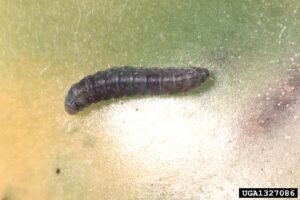
The Tomato Pinworm (Keiferia lycopersicella) is a destructive moth pest that primarily attacks tomato plants. Although it is less globally widespread than Tuta absoluta, Tomato Pinworm remains an important agricultural pest in North America, the Caribbean, Central America, and parts of South America. Heavy infestations can significantly reduce both crop yield and fruit quality, especially in greenhouses and commercial tomato fields.
The larvae feed inside leaves, stems, and fruits, making infestations difficult to detect during the early stages. Successful management depends on regular monitoring, early intervention, and an Integrated Pest Management (IPM) strategy.
What Is the Tomato Pinworm?
The Tomato Pinworm is a small gelechiid moth whose larvae mine tomato leaves during early development before folding leaves together and eventually boring into stems and fruits. This concealed feeding habit protects the larvae from predators and many contact insecticides, making early detection particularly important.[1]
Identification
Adult Tomato Pinworm moths are grayish-brown and measure approximately 6–8 mm in length with a wingspan of about 10–12 mm. They are active mainly at night and are rarely noticed by growers.
The eggs are tiny, oval, and cream-colored, laid individually on leaves, stems, or flower buds.
Larvae begin as pale cream caterpillars before becoming greenish to gray with purple or pink tinges as they mature. Fully developed larvae reach approximately 8 mm long.
Pupation usually occurs inside folded leaves, plant debris, or shallow soil beneath tomato plants.
Biology & Ecology
The Tomato Pinworm develops through four life stages: egg, larva, pupa, and adult.
Depending on environmental conditions, the complete life cycle may take only 30–40 days. Multiple overlapping generations may occur throughout the growing season in warm climates.
Female moths may lay over 100 eggs during their lifetime, allowing populations to build rapidly when environmental conditions are favorable.
Larvae initially produce narrow leaf mines before creating folded leaf shelters where they continue feeding safely.
Global Distribution
Tomato Pinworm is primarily distributed throughout:
- United States
- Mexico
- Central America
- Caribbean islands
- Northern South America
- Protected greenhouse production worldwide through accidental introductions
Although its distribution is more limited than Tuta absoluta, localized outbreaks can cause substantial economic losses.
Host Plants
The preferred host is tomato, but the insect may also attack other members of the Solanaceae family, including:
- Eggplant
- Potato
- Pepper (occasionally)
- Nightshade weeds (Solanum spp.)
Wild host plants often allow populations to survive between cropping seasons.
Risks and Damage
Tomato Pinworm larvae damage plants throughout their development.
Typical injury includes:
- Leaf mines
- Folded leaves containing larvae
- Stem tunneling
- Fruit entry holes
- Internal feeding galleries
- Secondary fungal infections
- Premature fruit drop
- Reduced market quality
Fruit damage makes tomatoes unsuitable for fresh markets and increases losses during storage and transport.
See our guides on Tomato Leaf Miner (Tuta absoluta) and Whiteflies to compare similar tomato pests.
Signs of Tomato Pinworm Infestation
Early detection is critical for successful control.
Common signs include:
- Small winding leaf mines
- Rolled or folded leaves held together with silk
- Tiny caterpillars hidden inside folded foliage
- Pin-sized holes in tomato fruits
- Dark frass around feeding sites
- Premature leaf yellowing
- Reduced plant growth
In practice… growers often mistake the early mines for minor cosmetic damage. A closer inspection usually reveals folded leaves containing actively feeding larvae. Removing these leaves early can significantly slow population growth.
How Tomato Pinworm Spreads
The pest spreads through:
- Infested tomato seedlings
- Movement of harvested tomatoes
- Adult moth flight
- Crop residues left after harvest
- Infested greenhouse equipment and plant material
Greenhouses can support year-round populations when sanitation measures are inadequate.
Control and Prevention Methods
Successful management relies on combining several control measures.
- Inspect transplants carefully before planting.
- Use pheromone traps to monitor adult activity.
- Remove mined and folded leaves regularly.
- Destroy crop residues immediately after harvest.
- Control wild host weeds around production areas.
- Rotate crops when practical.
- Maintain good greenhouse sanitation.
- Encourage beneficial insects whenever possible.
A common mistake is… waiting until fruit damage appears before beginning treatment. By then, several generations of larvae may already be established throughout the crop, making control considerably more difficult.
Advanced Professional Approaches
Commercial growers frequently combine multiple Integrated Pest Management techniques.
- Pheromone monitoring traps
- Mating disruption programs
- Biological control using Trichogramma parasitoid wasps
- Selective insecticides with resistance management
- Routine crop scouting
- Sanitation and removal of infested plant material
- Regular monitoring throughout the production season
What most people don't realize is… successful Tomato Pinworm control depends more on early monitoring than repeated spraying. Detecting the first adult moths with pheromone traps often allows growers to intervene before larvae begin attacking fruit.
Frequently Asked Questions
Is Tomato Pinworm the same as Tomato Leaf Miner?
No. They are different insect species, although both belong to the moth family Gelechiidae and cause similar mining damage to tomato plants.
Can Tomato Pinworm destroy an entire tomato crop?
Heavy infestations can cause severe economic losses, particularly when fruit damage becomes widespread.
How do I identify Tomato Pinworm?
Look for narrow leaf mines, folded leaves containing caterpillars, and small holes with frass on tomato fruits.
What is the best treatment for Tomato Pinworm?
An Integrated Pest Management program that combines monitoring, sanitation, biological control, and selective insecticides provides the most reliable long-term control.
Do Tomato Pinworms attack other vegetables?
They primarily attack tomatoes but may also infest potatoes, eggplants, peppers, and certain wild nightshade species.
Can home gardeners control Tomato Pinworm?
Yes. Regular inspection, prompt removal of infested leaves, pheromone traps, and appropriate control measures can successfully manage small infestations.
Final Thoughts
Tomato Pinworm remains an important pest wherever tomatoes are grown commercially or in home gardens. Because larvae feed inside plant tissues, early detection is essential for preventing serious crop losses. Combining careful monitoring, sanitation, biological control, and Integrated Pest Management provides the most effective and sustainable approach for protecting tomato production.
Learn more about Agricultural & Outdoor Pests
Disclaimer
This article is for informational purposes only. Food safety (HACCP) and pest control requirements vary by country, authority, and type of food business. For legal compliance and audit readiness, always consult a qualified HACCP professional and a licensed pest control operator in your area.
All pest control measures must use approved products and be applied strictly according to the product label, as required by law in most jurisdictions (including the EU, UK, and USA). Improper use of pesticides, lack of documentation, or absence of a structured pest monitoring program may lead to non-compliance, fines, or business closure.
A compliant system must include documented procedures, monitoring records, corrective actions, and verification. Pest control is not optional—it is a core prerequisite program under HACCP and must be properly implemented, recorded, and reviewed.
Author Bio
BSc Agronomist & Certified Pest Control Expert
Scientific Director – Advance Services (Athens, Greece)
Licensed Pest Control Business – Ministry of Rural Development & Food (GR)