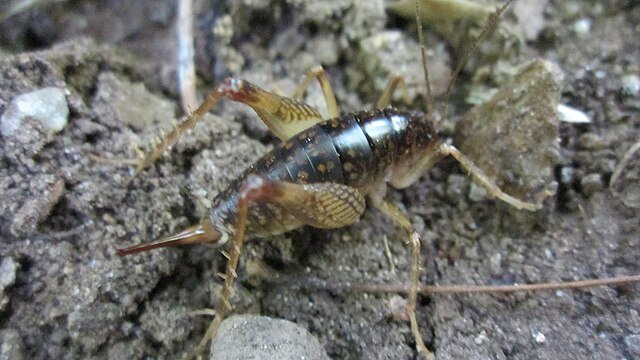
 Leafminers
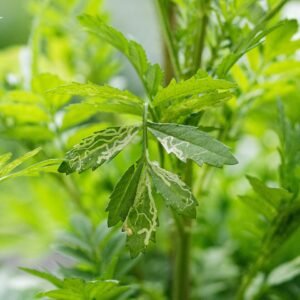 Leafminers
Leafminers are a group of insects whose larvae feed inside plant leaves, creating distinctive winding tunnels known as mines. Rather than representing a single insect species, leafminers include various flies, moths, beetles, and sawflies that share the same feeding behavior. These pests attack hundreds of ornamental plants, vegetables, fruit trees, herbs, and greenhouse crops, reducing plant health and lowering crop quality.
Although the damage often appears cosmetic during light infestations, severe attacks can reduce photosynthesis, weaken plants, and increase their susceptibility to environmental stress and secondary diseases. Early detection and Integrated Pest Management (IPM) are the most effective ways to minimize damage.
What Are Leafminers?
Leafminers are insects whose immature larvae develop inside leaves by feeding between the upper and lower leaf surfaces. As they consume plant tissue, they leave behind visible tunnels or blotches that serve as one of the easiest diagnostic signs of infestation.
Several insect families contain leaf-mining species, including the fly family Agromyzidae, as well as certain moths, beetles, and sawflies. Common agricultural leafminers include species of Liriomyza, which attack tomatoes, cucumbers, lettuce, beans, celery, ornamentals, and many other crops.[1]
Identification
Adult leafminers vary according to species but are generally small insects measuring only a few millimeters long.
The larvae are tiny, legless maggots or caterpillars that remain hidden inside leaves throughout most of their development.
The most recognizable feature is not the insect itself but the characteristic leaf mines. Depending on the species, these mines may appear as:
- Long winding tunnels
- Serpentine trails
- Large irregular blotches
- Expanding translucent patches
Dark frass (insect waste) is often visible within the mines, helping distinguish leafminer damage from plant diseases.
Biology & Ecology
Most leafminers undergo complete metamorphosis consisting of egg, larva, pupa, and adult stages.
Females puncture leaves to deposit eggs beneath the surface. After hatching, larvae feed internally while remaining protected from many predators and contact insecticides.
Once fully developed, larvae leave the leaf and pupate either in the soil, plant debris, or occasionally within the leaf itself, depending on the species.
Warm temperatures allow several generations to develop each year, making greenhouse crops particularly vulnerable.
Global Distribution
Leafminers occur worldwide and are found in:
- North America
- South America
- Europe
- Africa
- Asia
- Australia
Some invasive species have spread internationally through the movement of ornamental plants and agricultural products.[2]
Host Plants
Leafminers attack hundreds of cultivated and wild plants.
Common hosts include:
- Tomatoes
- Lettuce
- Spinach
- Celery
- Beans
- Cucumbers
- Peppers
- Eggplants
- Potatoes
- Chrysanthemums
- Gerberas
- Many ornamental shrubs and trees
Different leafminer species often specialize on particular host plants.
Risks and Damage
The larvae consume the leaf's internal tissues while leaving the outer surfaces mostly intact.
Heavy infestations may cause:
- Reduced photosynthesis
- Premature leaf drop
- Stunted plant growth
- Lower crop yields
- Reduced ornamental value
- Fruit quality reduction
- Greater susceptibility to drought stress
- Secondary fungal infections through feeding wounds
Young seedlings and greenhouse crops are particularly vulnerable because even moderate infestations can significantly reduce plant vigor.
See our guides on Tomato Leaf Miner (Tuta absoluta), Tomato Pinworm, and Thrips for comparisons with other important crop pests.
Signs of Leafminer Infestation
Typical symptoms include:
- White or translucent winding tunnels
- Blotch-shaped mines
- Visible black frass inside mines
- Yellowing leaves
- Curling foliage
- Premature leaf drop
- Reduced plant growth
In practice… homeowners often notice the distinctive winding trails before they ever see the insect responsible. Greenhouse growers frequently detect the first adults on yellow sticky traps several days before visible leaf mines become widespread.
How Leafminers Spread
Leafminers spread through:
- Flying adult insects
- Infested nursery plants
- Movement of ornamental plants
- Crop residues
- Greenhouse production systems
Because adults are capable of flying between nearby plants, infestations can expand quickly under favorable conditions.
Control and Prevention Methods
Successful control relies on combining several preventive measures.
- Inspect plants regularly.
- Remove heavily infested leaves.
- Destroy crop residues after harvest.
- Control weeds that serve as alternative hosts.
- Avoid unnecessary broad-spectrum insecticide applications.
- Monitor adults using yellow sticky traps.
- Maintain healthy plants through proper irrigation and fertilization.
A common mistake is… applying repeated contact insecticides after leaf mines appear. Since the larvae remain protected inside the leaf tissue, these treatments often provide poor control while harming beneficial insects that naturally suppress leafminer populations.
Advanced Professional Approaches
Commercial growers typically combine multiple Integrated Pest Management strategies.
- Regular crop scouting
- Yellow sticky monitoring traps
- Selective insecticides when necessary
- Biological control using parasitoid wasps such as Diglyphus isaea and Dacnusa sibirica
- Resistance management programs
- Greenhouse exclusion techniques
- Routine sanitation
What most people don't realize is… natural parasitoid wasps often keep leafminer populations below damaging levels outdoors. Repeated use of broad-spectrum insecticides may eliminate these beneficial insects, allowing leafminer outbreaks to become even more severe.
Frequently Asked Questions
Are leafminers dangerous to humans?
No. Leafminers do not bite people, spread diseases, or damage buildings. They feed exclusively on plants.
Can plants recover from leafminer damage?
Yes. Healthy plants often recover from light infestations by producing new foliage. Severe infestations, however, may reduce growth and crop yields.
What is the best treatment for leafminers?
An Integrated Pest Management program combining monitoring, sanitation, biological control, and selective insecticides when necessary provides the best long-term control.
Do leafminers attack indoor plants?
Yes. Several species infest ornamental houseplants and greenhouse-grown plants.
How do I identify leafminer damage?
The most characteristic symptom is the presence of winding or blotchy tunnels inside leaves with visible dark frass running through the mines.
Can leafminers spread between plants?
Yes. Adult insects fly from plant to plant and may also spread through infested nursery stock or plant material.
Final Thoughts
Leafminers are among the most recognizable plant pests because of the distinctive tunnels they create inside leaves. While small infestations are often cosmetic, heavy populations can significantly reduce plant vigor and crop production. Early monitoring, regular sanitation, conservation of beneficial insects, and Integrated Pest Management remain the most reliable strategies for long-term control.
Learn more about Agricultural & Outdoor Pests
Disclaimer
This article is for informational purposes only. Food safety (HACCP) and pest control requirements vary by country, authority, and type of food business. For legal compliance and audit readiness, always consult a qualified HACCP professional and a licensed pest control operator in your area.
All pest control measures must use approved products and be applied strictly according to the product label, as required by law in most jurisdictions (including the EU, UK, and USA). Improper use of pesticides, lack of documentation, or absence of a structured pest monitoring program may lead to non-compliance, fines, or business closure.
A compliant system must include documented procedures, monitoring records, corrective actions, and verification. Pest control is not optional—it is a core prerequisite program under HACCP and must be properly implemented, recorded, and reviewed.
Author Bio
BSc Agronomist & Certified Pest Control Expert
Scientific Director – Advance Services (Athens, Greece)
Licensed Pest Control Business – Ministry of Rural Development & Food (GR)