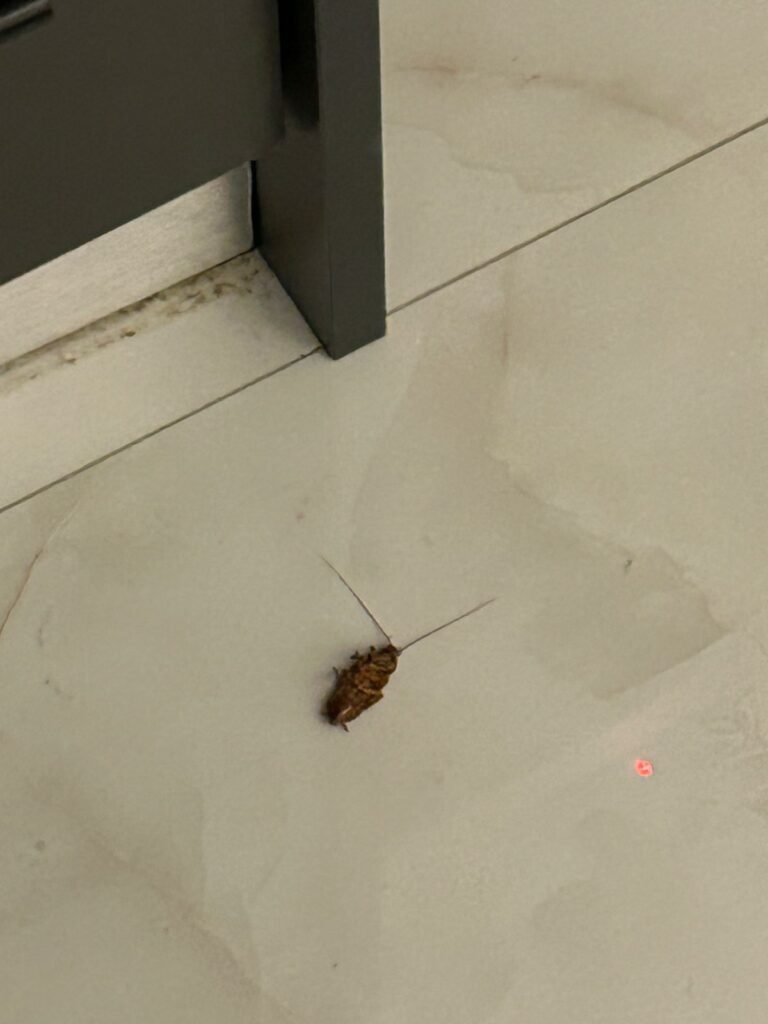
European Hornets: Identification, Biology, Risks, and Control
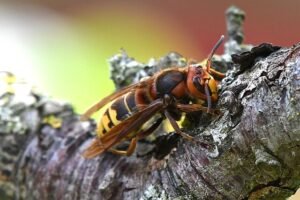 The European hornet (Vespa crabro) is the largest true hornet native to Europe and parts of Asia. It is both feared and misunderstood. Unlike the invasive Asian giant hornet (Vespa mandarinia), or even the Yellowjacket, the European hornet is less aggressive toward humans but still capable of delivering painful stings when its nest is threatened.
These hornets play an important ecological role by preying on insects such as flies, grasshoppers, and caterpillars, yet their large size and intimidating appearance often cause alarm. In North America, where V. crabro was introduced in the 19th century, it has adapted successfully and is now established across much of the eastern United States.
Understanding European hornets is essential for balancing their ecological benefits with the risks they present when nesting near people.
Identification
Proper identification helps distinguish Vespa crabro from similar wasps and hornets.
-
Size: Workers are 18–25 mm long; queens can reach 35 mm.
-
Coloration: Brownish head and thorax, yellow abdomen with black stripes. Unlike yellowjackets (Vespula spp.), their markings are less sharply defined.
-
Eyes: Large, kidney-shaped compound eyes.
-
Wings: Reddish-brown, folded at rest.
-
Behavior: Slower, more deliberate flight compared to smaller wasps.
-
Nests: Large papery structures often built in hollow trees, wall voids, attics, or sheds.
The combination of size, reddish-brown hues, and habit of flying at night (attracted to lights) separates European hornets from most wasps.
Biology and Ecology
Nesting habits
-
Colonies are annual, established each spring by a single overwintered queen.
-
Nests may reach the size of a basketball by late summer, housing 200–400 workers.
-
Constructed from chewed wood pulp mixed with saliva, forming a papery texture.
-
Nest sites include hollow trees, barns, wall cavities, and sometimes underground chambers.
Diet
-
Adults consume tree sap, nectar, and fruit juices.
-
Workers hunt other insects to feed larvae. Prey includes bees, flies, moths, crickets, and caterpillars.
-
They scavenge meat and sweet foods when near humans.
Reproduction
-
Mating occurs in late summer.
-
Fertilized queens overwinter in sheltered sites.
-
Colonies die out in autumn except for new queens.
Ecology
European hornets serve as natural predators, reducing pest insect populations. They also act as food for birds such as bee-eaters and some mammals like badgers.
Global Distribution
-
Europe: Native across most regions, from the UK to Russia.
-
Asia: Distributed across parts of the Middle East and Central Asia.
-
North America: Introduced to the U.S. in the mid-1800s, now found from the East Coast to the Midwest.
-
Other regions: Limited spread; they have not established in Australia or South America.
Their spread in North America is notable, where they thrive in woodlands, rural towns, and suburban areas.
Risks and Damage
Human risks
-
Stings are painful, with venom that can cause swelling and allergic reactions.
-
Multiple stings pose greater danger, particularly for sensitive individuals.
-
More likely to sting if the nest is disturbed, but less aggressive when foraging.
Property and agricultural concerns
-
Nests in wall voids can damage insulation or plaster.
-
Foraging workers may strip bark from trees to feed on sap.
-
Can harm fruit crops by feeding on ripening apples, pears, and plums.
-
Prey on honey bees (Apis mellifera), reducing pollinator populations around apiaries.
Secondary problems
-
Attracted to outdoor lights at night, often entering homes through open windows.
-
Noise from large nests in attics or walls can disturb residents.
Signs of Infestation
-
Large papery nests in trees, wall cavities, or attics.
-
Hornet activity at night, especially around outdoor lights.
-
Stripped bark on trees from hornets feeding on sap.
-
Buzzing sounds inside walls or roofs.
-
Dead insect remains near nests, as workers discard prey parts after feeding larvae.
Control Methods- Wasp Control
Prevention
-
Seal cracks and gaps in buildings to prevent nesting.
-
Install screens on windows and vents.
-
Keep outdoor lights off or minimized at night.
Physical control
-
Nests in high-risk areas should be removed by professionals due to danger.
-
Small, early-season nests may be scraped down if protective gear is worn.
-
Do not attempt removal during the day; hornets are most active then.
Chemical control
-
Aerosol sprays and dust insecticides may be applied directly to nests.
-
Professional pest controllers often use pyrethroid-based products.
-
Care must be taken to prevent contamination of indoor spaces.
Advanced Approaches
-
Integrated pest management (IPM): Combines monitoring, prevention, and targeted treatments.
-
Eco-friendly deterrents: Peppermint and citronella oils may discourage nesting.
-
Wasp traps: Useful for reducing foraging workers, though they rarely eliminate colonies.
-
Thermal imaging: Helps professionals detect hidden nests inside walls.
-
Biological studies: Research explores natural enemies, including parasitic flies and mites.
Cultural and Historical Context
European hornets have held mixed reputations through history:
-
In European folklore, hornets were often feared as omens of aggression or conflict.
-
Farmers sometimes valued them for preying on crop pests like grasshoppers and caterpillars.
-
In North America, their introduction fueled confusion with native wasps and fear due to their size.
-
Unlike the infamous “murder hornet” (Vespa mandarinia), V. crabro is less aggressive but still inspires caution.
Culturally, hornets symbolize both strength and danger, reflecting their real-world impact.
FAQ Section
Q1: Are European hornets dangerous to humans?
Yes. Their sting is painful and may cause allergic reactions. They are less aggressive than yellowjackets but defend nests strongly.
Q2: How big can a European hornet nest get?
Up to the size of a basketball, housing 200–400 workers at peak season.
Q3: Do European hornets kill honey bees?
Yes. They hunt honey bees among other insects to feed larvae.
Q4: Why are European hornets attracted to lights at night?
They are nocturnal foragers and are drawn to artificial lighting.
Q5: Can European hornets damage trees?
Yes. They strip bark to feed on sap, which can harm young or ornamental trees.
Q6: How do you safely remove a European hornet nest?
Only professionals should attempt it, using protective gear and insecticides.
Q7: Do European hornets reuse old nests?
No. Each colony dies in autumn, and new queens start fresh nests in spring.
Q8: How are European hornets different from Asian hornets?
European hornets are native to Europe, less aggressive, and slightly smaller than Asian hornets (Vespa velutina or V. mandarinia).
Final Thoughts
The European hornet (Vespa crabro) is both a predator and a pest. It plays an ecological role by reducing populations of flies, caterpillars, and other insects, yet its painful sting, nocturnal activity, and nesting habits in close proximity to people make it a frequent cause of concern.
Unlike the invasive Asian hornet (Vespa velutina) or the giant hornet (Vespa mandarinia), the European hornet is not excessively aggressive. Still, its large size and habit of defending colonies vigorously mean that nests near homes, schools, or farms should be taken seriously.
Management should focus on prevention: sealing entry points, reducing attractants, and monitoring activity around lights and structures. When nests pose risks, professional removal is the safest and most effective approach. Long-term solutions will likely come from integrated pest management (IPM), combining monitoring with selective, eco-friendly methods.
For more on indoor pests like this one, see our full Urban & Indoor Pests guide.
Disclaimer
This article is for informational purposes only. Pest control laws and approved chemicals vary by country. For best results and legal safety, we strongly recommend contacting a licensed pest control professional in your local area. Always make sure that the pest control technician is properly certified or licensed, depending on your country’s regulations. It’s important to confirm that they only use approved products and apply them exactly as instructed on the product label. In most places in Europe, UK, or USA, following label directions is not just best practice—it’s the law.
Author Bio
Nasos Iliopoulos
BSc Agronomist & Certified Pest Control Expert
Scientific Director – Advance Services (Athens, Greece)
Licensed Pest Control Business – Ministry of Rural Development & Food (GR)
References
-
Wikipedia -European hornet
-
Penn University - European hornet