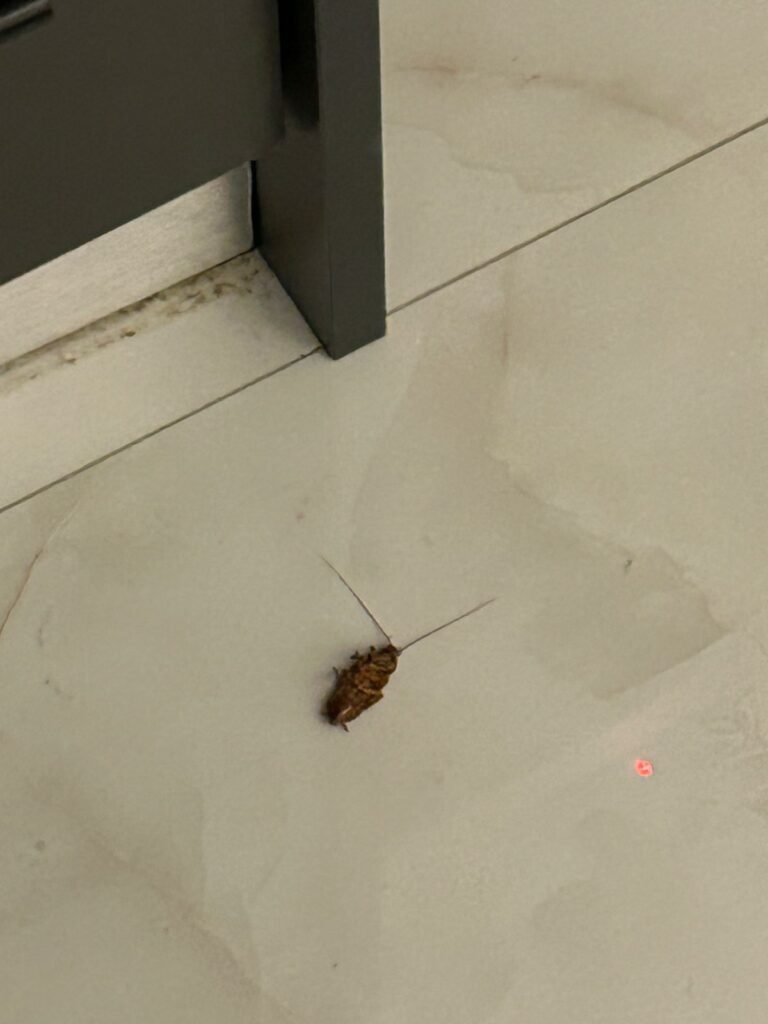
Norwegian Rats (Rattus norvegicus): Biology, Risks, and Complete Control Guide
The Norwegian rats (Rattus norvegicus), also known as the brown rat, sewer rat, or street rat, is one of the most widespread and destructive rodent species on Earth. Unlike the smaller house mouse (Mus musculus) or the more agile roof rat (Rattus rattus), the Norwegian rat is bulky, aggressive, and highly adaptable. It thrives in cities, farms, ports, and sewers, making it a top pest species across the globe.
Norwegian rats are feared not only because they damage property but also because they carry pathogens responsible for diseases such as leptospirosis, salmonellosis, and plague. At the same time, they have influenced human history by spreading pandemics and even shaping urban infrastructure.
This article provides a detailed overview of the Norwegian rat’s biology, behavior, risks, and proven strategies for control.
Identification
Recognizing Rattus norvegicus is essential to distinguish it from other rodents like roof rats or house mice.
-
Size: Adults typically measure 25–30 cm in body length, with tails shorter than their body.
-
Weight: 200–500 g, much heavier than roof rats.
-
Color: Fur is coarse, usually brown or gray, with lighter underbellies.
-
Ears & Eyes: Small ears compared to head size, and smaller eyes than roof rats.
-
Tail: Shorter than the body, thick, scaly, and ringed.
-
Droppings: Capsule-shaped, about 18–20 mm long, often found near food sources or along walls.
Key difference: Roof rats (Rattus rattus) have longer tails than their bodies and slimmer builds, while Norwegian rats are stocky with blunt snouts.
Biology and Ecology
The survival success of the Norwegian rat comes from its biology and ecological flexibility.
-
Reproduction: Females can breed year-round, producing 4–6 litters annually with 6–12 pups per litter. In optimal conditions, one pair can lead to thousands of descendants in a year.
-
Lifespan: Wild rats typically live 6–12 months, though in safe conditions they may survive up to 2 years.
-
Diet: Omnivorous scavengers. They consume grains, garbage, meat, insects, and even small animals like chicks.
-
Habitat: Prefer ground burrows near water, sewers, basements, and warehouses. They dig tunnels that may weaken building foundations.
-
Behavior: Excellent swimmers and burrowers but poor climbers compared to roof rats. They are mostly nocturnal and cautious around new objects (neophobia).
Global Distribution
Rattus norvegicus originated in northern China and Mongolia but spread globally by hitchhiking on ships during the 18th century. Today it dominates in:
-
North America & Europe: Major cities, ports, and farmland.
-
Asia: Urban centers, rice fields, and food markets.
-
South America & Africa: Found in urban and rural areas, often linked with poor sanitation.
-
Oceania: Widespread in Australia and New Zealand, where it threatens native birds and ecosystems.
Wherever humans settle, Norwegian rats follow. They are now present on every continent except Antarctica.
Risks and Damage
-
Public Health Threats
-
Carriers of leptospirosis, hantavirus, rat-bite fever, and salmonellosis.
-
Historically linked to bubonic plague outbreaks (through fleas like Xenopsylla cheopis).
-
Their urine and droppings contaminate food, surfaces, and water.
-
-
Structural Damage
-
Burrowing undermines foundations, sidewalks, and levees.
-
Constant gnawing damages wires, leading to electrical fires.
-
Destroys insulation, plumbing, and stored goods.
-
-
Agricultural Losses
-
Attack stored grains, livestock feed, and poultry.
-
Cause millions of dollars in crop damage globally each year.
-
-
Ecological Impact
-
Compete with native species.
-
Predation on eggs and chicks of ground-nesting birds has endangered species in island ecosystems.
-
Signs of Infestation
-
Droppings: Dark, capsule-shaped, found near food or in corners.
-
Gnaw Marks: On wood, wires, and food packaging.
-
Burrows: Holes in soil near walls, compost piles, or under sheds.
-
Tracks and Grease Marks: Smudges along walls from oily fur.
-
Sounds: Scratching or squeaking in basements, attics, or walls at night.
-
Odor: Strong musky smell from urine in severe infestations.
Control Methods
-
Sanitation
-
Seal garbage containers with tight lids.
-
Clean up food scraps, pet food, and bird seed.
-
Reduce clutter inside and outside buildings.
-
-
Exclusion
-
Seal entry points larger than 12 mm (rats can squeeze through very small gaps).
-
Use cement or metal mesh instead of foam, which rats can gnaw through.
-
Install door sweeps and repair damaged vents.
-
-
Trapping
-
Snap traps: Highly effective when placed along walls, near burrows, and in dark corners.
-
Multiple-catch traps: Useful for warehouses or large infestations.
-
Placement tip: Rats travel along edges, so set traps flush against walls.
-
-
Rodenticides
-
Anticoagulant baits are common but must be used carefully to avoid risks to pets and wildlife.
-
Rotate active ingredients to reduce resistance.
-
Always follow label instructions and local regulations.
-
Advanced Approaches
-
Integrated Pest Management (IPM): Combines sanitation, structural modification, trapping, and monitoring before chemical use.
-
Electronic Monitoring Systems: Sensors detect rat movement and alert managers in real time.
-
Biological Control: In rural areas, encouraging predators like barn owls (Tyto alba) can help.
-
Bait Stations Ecosystem: Professionals often install permanent trap-and-bait systems around buildings, creating a protective barrier.
Cultural and Historical Context
Norwegian rats have shaped human history more than most animals.
-
Plague Pandemics: Alongside fleas, rats spread plague during the Justinian Plague (6th century), weakening the Byzantine Empire, and the Black Death (14th century), which killed up to half of Europe’s population.
-
Urban Development: Sewers, waste systems, and public health reforms in the 19th century were partly driven by rat infestations.
-
Folklore & Literature: Rats symbolize filth and fear in many cultures. Yet in some traditions (like in parts of India), rats are revered and even fed in temples.
-
Science: The Norwegian rat became the most common laboratory rat, contributing to countless medical and genetic studies.
FAQ Section
1. How big do Norwegian rats get?
They can reach 25–30 cm in body length, with tails shorter than their bodies. Large adults may weigh up to 500 g.
2. What diseases do Norwegian rats carry?
They transmit leptospirosis, hantavirus, salmonella, and other pathogens via urine, droppings, and fleas.
3. How can I tell the difference between a roof rat and a Norwegian rat?
Norwegian rats are stocky with shorter tails, while roof rats are slimmer with tails longer than their bodies.
4. Where do Norwegian rats build nests?
They prefer burrows in soil, basements, sewers, and under concrete slabs, close to water and food.
5. Are rodenticides safe to use at home?
They can be effective but dangerous for children, pets, and wildlife. Professional pest control is recommended.
6. Do Norwegian rats climb?
They are poor climbers compared to roof rats but excellent burrowers and swimmers.
7. Can Norwegian rats be completely eradicated?
Total eradication in cities is impossible, but infestations can be controlled with ongoing sanitation, exclusion, and monitoring.
For more on indoor pests like this one, see our full Urban & Indoor Pests guide.
Final Thoughts
The Norwegian rat (Rattus norvegicus) is one of the most successful pest species. Its resilience, rapid reproduction, and close association with human settlements make it a permanent challenge for both homeowners and professionals. While it poses serious health and structural risks, effective strategies—especially Integrated Pest Management (IPM) combining sanitation, exclusion, trapping, and monitoring—can dramatically reduce infestations.
For property owners, vigilance is key. Eliminating food sources, sealing structural gaps, and setting up protective trap systems around buildings can prevent rats from ever establishing colonies indoors. For severe infestations, professional pest control services provide the safest and most reliable long-term results.
Understanding the biology and behavior of Norwegian rats not only helps in eliminating them but also underscores their role in shaping public health, infrastructure, and even world history.
Disclaimer
This article is for informational purposes only. Pest control laws and approved chemicals vary by country. For best results and legal safety, we strongly recommend contacting a licensed pest control professional in your local area. Always make sure that the pest control technician is properly certified or licensed, depending on your country’s regulations. It’s important to confirm that they only use approved products and apply them exactly as instructed on the product label. In most places in Europe, UK, or USA, following label directions is not just best practice—it’s the law.
Author Bio
Nasos Iliopoulos, BSc Agronomist & Certified Pest Control Expert
Scientific Director – Advance Services (Athens, Greece)
Licensed Pest Control Business – Ministry of Rural Development & Food (GR)