Cabbage Moths in Homes: Identification, Damage, and Control
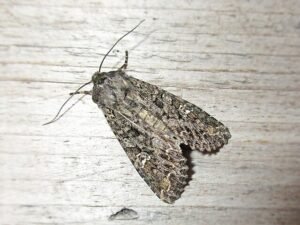 Not all moths come from our closets. Perhaps they reach there, but sometimes they come there from outside. Many homeowners are surprised to find small white or brown moths flying around their kitchen or windows after gardening season. Often, these are cabbage moths (Pieris rapae) or related species such as Plutella xylostella (diamondback moth) that migrated indoors from nearby gardens. Cabbage moths are primarily outdoor agricultural pests, but in warm months, they can invade homes, lay eggs near food storage, or shelter indoors during colder periods. Knowing how to identify them and stop the infestation early helps prevent both garden damage and indoor nuisance.
Identification
The two most common species are:
-
Pieris rapae – Small white or cabbage white butterfly: Pale white wings with black spots; wingspan 3–4 cm.
-
Plutella xylostella – Diamondback moth: Smaller, gray-brown with diamond-shaped markings when wings are folded.
Key features:
-
Adults flutter slowly during daytime, especially around cabbage, broccoli, kale, cauliflower, and similar crops.
-
Larvae (caterpillars): Green, soft-bodied, and voracious feeders that chew holes in leaves.
-
Eggs: Tiny, yellowish-white, oval, often laid singly on the underside of leaves.
When they enter houses, adults are often seen resting on walls, windows, or curtains, confused by indoor light sources.
Biology & Ecology
Cabbage moths belong to the family Pieridae (for Pieris rapae) and Plutellidae (for diamondback moths).
-
Life cycle: Egg → larva → pupa → adult.
-
Egg stage: 3–6 days before hatching.
-
Larval stage: 2–3 weeks of feeding.
-
Pupa stage: 1–2 weeks.
-
Adults: Live about 2–3 weeks, long enough to reproduce.
In warm climates (like Australia, southern USA, and Mediterranean Europe), they can complete 8–10 generations per year, explaining why infestations persist through late summer.
Global Distribution
Cabbage moths are cosmopolitan pests, found on all continents except Antarctica.
-
Europe: Very common in home gardens; flies from April to October.
-
USA & Canada: Present nationwide; heavy infestations in spring and late summer.
-
Australia: A major pest of brassicas and urban vegetable gardens.
-
Asia: Frequent in greenhouses and small farms; resistant populations are increasing.
Because of climate change and global trade, these moths are now active for longer seasons even in cooler regions.
Risks / Damage
In gardens:
-
Larvae chew large holes in leaves of cabbages, kale, cauliflower, and broccoli.
-
Infested produce becomes unmarketable or decays faster.
-
Heavy feeding stunts plant growth.
In homes:
-
Adult moths don’t feed on human food, but their presence signals outdoor breeding nearby.
-
Females may lay eggs near indoor plants, in garages, or near stored vegetables.
-
Dried vegetable residues or compost indoors can attract them.
Cabbage moths do not bite humans or damage structures, but they are unpleasant when they invade kitchens or lighted rooms.
Signs of Infestation
-
White or brown moths fluttering near windows, curtains, or light fixtures.
-
Green caterpillars on kitchen herbs or potted vegetables brought indoors.
-
Fine webbing or frass (small black droppings) under leaves.
-
Damage to stored cabbage, kale, or similar produce.
Outdoors, you can spot tiny holes on leaves or clusters of yellowish eggs underneath them.
Control & Prevention Methods
1. Garden Management
-
Remove infested leaves and destroy them.
-
Use floating row covers to prevent egg-laying on plants.
-
Rotate crops yearly; avoid planting brassicas in the same spot.
-
Encourage natural predators like parasitic wasps, ladybugs, and lacewings.
2. Natural and Organic Control
-
Spray Bacillus thuringiensis (Bt) — safe biological control targeting larvae only.
-
Use neem oil or pyrethrin sprays for small infestations.
-
Hand-pick caterpillars early morning when they are slow.
3. Indoor Prevention
-
Check vegetables before bringing them indoors.
-
Clean kitchen and pantry areas; remove any stored or rotting vegetables.
-
Seal gaps around windows and doors where moths might enter.
-
Vacuum adult moths or use sticky traps near light sources.
4. Chemical Control
In severe cases, professional pest controllers may use residual insecticides on entry points or insect light traps (ILTs) in warehouses. However, home infestations usually need only sanitation and light trapping.
Advanced / Professional Approaches
In agricultural or food packaging facilities, pest control companies combine:
-
Monitoring with pheromone traps for adults.
-
Targeted Bt or IGR (insect growth regulator) applications.
-
Exclusion measures for storage or transport areas.
-
Regular sanitation programs for waste handling and compost management.
IPM (Integrated Pest Management) programs are the standard for cabbage moth control globally — focusing on prevention, not routine spraying.
Cultural or Historical Context
The cabbage white (Pieris rapae) was accidentally introduced to North America from Europe in the 19th century and spread across the entire continent within 20 years. It became the most common garden pest of brassicas worldwide.
Today, both professional farmers and home gardeners still battle it every spring — but modern biological tools and trap systems make management easier than ever.
FAQ
Are cabbage moths harmful to humans?
No. They don’t bite or carry disease. The problem is the caterpillars, not the adults.
Why do I have cabbage moths in my house?
They probably came from your garden or vegetables brought indoors. They are attracted to light and warmth.
How to get rid of cabbage moths naturally?
Use Bt sprays, neem oil, or hand removal in the garden. Indoors, clean and use sticky light traps.
Can cabbage moths lay eggs inside homes?
Rarely, but if you keep leafy greens or potted cabbage plants indoors, they might.
What kills cabbage moth larvae?
Bacillus thuringiensis (Bt) is the most effective and safe method.
Do cabbage moths eat clothes?
No. They are not related to clothes moths (Tineola bisselliella).
Do cabbage moths fly at night?
Most are active during the day, unlike pantry or clothes moths.
Learn more about Wildlife & Vertebrate Pests
Final Thoughts
Cabbage moths are harmless to people but destructive to plants and annoying indoors. When they appear in homes, it usually means they came from a nearby garden or from vegetables brought inside. The real key to control is prevention outdoors—keeping brassicas clean, inspecting produce, and blocking their breeding cycle.
Once indoors, focus on cleaning and exclusion rather than chemicals. A few sticky traps near windows or lights are enough to catch adult moths. For larger infestations in greenhouses or storage facilities, professional pest control using Bt or IGRs can restore full control without contamination risk.
The same principle applies everywhere—from Europe and Australia to North America and Asia: clean plants, sealed doors, and constant monitoring keep cabbage moths under control.
Disclaimer
This article is for informational purposes only. Pest control laws and approved chemicals vary by country. For best results and legal safety, we strongly recommend contacting a licensed pest control professional in your local area. Always make sure that the pest control technician is properly certified or licensed, depending on your country’s regulations. It’s important to confirm that they only use approved products and apply them exactly as instructed on the product label. In most places in Europe, the UK, or the USA, following label directions is not just best practice—it’s the law.
Nasos Iliopoulos
BSc Agronomist & Certified Pest Control Expert
Scientific Director – Advance Services (Athens, Greece)
Licensed Pest Control Business – Ministry of Rural Development & Food (GR)
References
-
Michigan State University - Cabbage moth Mamestra brassicae
-
University of Minessota Extension – Caterpillars on cole crops