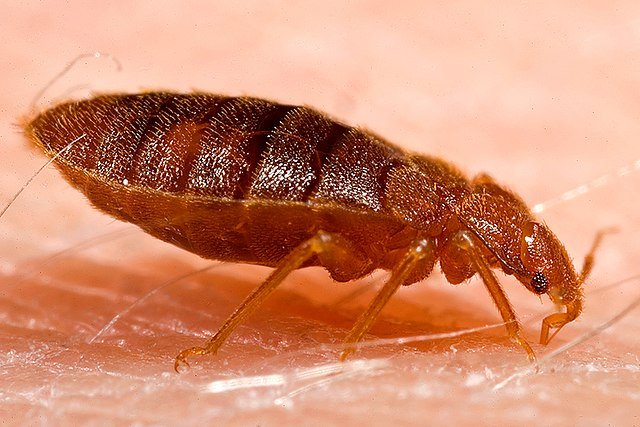
Where Do Bugs and Insects Go During Winter?
 Every winter, many people wonder where insects disappear when temperatures drop and how do insects survive winter. The truth is simple — they don’t vanish; they adapt to the cold temperatutres through various mechanisms. Some bugs hide in homes, others go underground, and many survive as eggs or larvae until spring. Understanding these survival strategies helps homeowners prevent infestations once the weather warms up.
Identification
Common overwintering pests include ants, cockroaches, spiders, stink bugs, cluster flies, and ladybugs. These species enter a dormant phase called overwintering or diapause. Others, like mosquitoes, wasps, and aphids, survive cold months as eggs or pupae, ready to hatch in spring.
Biology & Ecology
Insects are cold-blooded and depend on external heat sources. During winter, their metabolism slows dramatically. To survive, they use several biological strategies:
-
Migration – Species like the Danaus plexippus (monarch butterfly) migrate to warmer regions.
-
Hibernation / Diapause – Many beetles, flies, and spiders become dormant in walls, attics, or tree bark.
-
Burrowing underground – Ants, termites, and grubs dig deep into soil layers where temperatures remain stable.
-
Egg survival – Mosquitoes and aphids leave frost-resistant eggs that hatch in spring.
-
Sheltering indoors – Pests like stink bugs, Asian lady beetles, and cluster flies enter homes for warmth.
Global Distribution
-
Cold regions (Europe, North America) – Insects hide in soil, logs, attics, and wall voids.
-
Temperate zones (Mediterranean, Asia, Australia) – Bugs remain semi-active, nesting in mulch, compost, or basements.
-
Tropical climates – Instead of winter, insects respond to dry or wet seasons by hiding in soil, debris, or leaf litter.
Risks & Damage
During overwintering, most insects are inactive, but they can still cause problems:
-
Contamination of food or stored goods.
-
Allergic reactions from droppings or body parts.
-
Structural damage from wood-boring beetles or termites.
-
Odor and visual nuisance from clustering insects like stink bugs.
Signs of Infestation
-
Dead insects or shells near windows or attics.
-
Buzzing or crawling activity during warmer winter days.
-
Droppings or shed skins in corners, basements, or insulation.
-
Odor or faint buzzing from hidden wall spaces.
Control & Prevention Methods
-
Seal entry points around doors, windows, and vents.
-
Remove vegetation touching the house (especially vines or shrubs).
-
Reduce moisture in basements and crawlspaces.
-
Store food properly in airtight containers.
-
Vacuum and inspect window sills and light fixtures regularly.
Advanced / Professional Approaches
Professionals use:
-
Residual insecticide treatments around perimeters and entry zones.
-
Thermal or fog treatments in attics or crawlspaces.
-
Monitoring traps to detect activity in winter months.
-
Long-term Integrated Pest Management (IPM) to control seasonal infestations.
Cultural or Historical Context
In ancient times, winter insect disappearances led people to believe that bugs died each year and were reborn from mud in spring — a belief only corrected centuries later through entomology.
FAQ Section
Do insects die in winter?
Most don’t. They enter diapause or survive as eggs or larvae.
Where do ants go in winter?
They move deep underground or inside walls where heat is retained.
Do mosquitoes survive the cold?
Yes, their eggs survive freezing temperatures and hatch in spring.
Why do I still see flies in winter?
Species like cluster flies and drain flies stay alive in warm indoor areas.
Can insects live inside my house all winter?
Yes, if they find warmth, moisture, and small food sources.
What is overwintering?
It’s a natural process where insects pause activity to survive cold months.
Final Thoughts
Insects have evolved to survive almost every environment on Earth, including freezing winters. Whether through hibernation, migration, or egg dormancy, bugs find ways to return each spring stronger than before. The best prevention for homeowners is preparation: sealing cracks, reducing humidity, and cleaning potential nesting spots before cold weather begins.
If you notice unusual insect activity indoors during winter, it’s a sign that pests have found a warm refuge. Professional pest inspection can identify hidden entry points and apply targeted treatments that keep your property protected all year.
Learn more about Wildlife & Vertebrate Pests
Disclaimer
This article is for informational purposes only. Pest control laws and approved chemicals vary by country. For best results and legal safety, we strongly recommend contacting a licensed pest control professional in your local area. Always make sure that the pest control technician is properly certified or licensed, depending on your country’s regulations. It’s important to confirm that they only use approved products and apply them exactly as instructed on the product label. In most places in Europe, the UK, or the USA, following label directions is not just best practice—it’s the law.
Nasos Iliopoulos
BSc Agronomist & Certified Pest Control Expert
Scientific Director – Advance Services (Athens, Greece)
Licensed Pest Control Business – Ministry of Rural Development & Food (GR)
References
-
Iowa state University – How do insects survive the winter?
- Michigan State University - How insects survive cold: The potential effect of a mild winter