Mouse Dropping Health Risk: How Dangerous Mouse Droppings Really Are
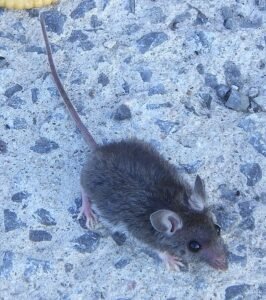 As a pest control expert, I have treated many homes and restaurants dealing with house mouse or rat infestations. One of the most common questions I hear is about the health risk of mouse droppings because some people can accidentaly touch them before they call us. People often ask qustions like: "how long are mouse droppings dangerous?" Or "what are the chances of getting sick from mouse droppings?" Or "what if I accidentally vacuumed mouse droppings?". In this article, I explain the real dangers of dealing with mouse droppings, diseases spread by rodents, how to clean safely, and when to call a professional.
Identification
House mouse (Mus musculus) droppings are small, dark or light dark, and pointed at both ends, usually around 3–6 mm long — like half of a rice grain. They are often found behind appliances, inside cabinets, under sinks, or near food storage areas. Fresh droppings are soft and dark, while old ones turn gray and dry.
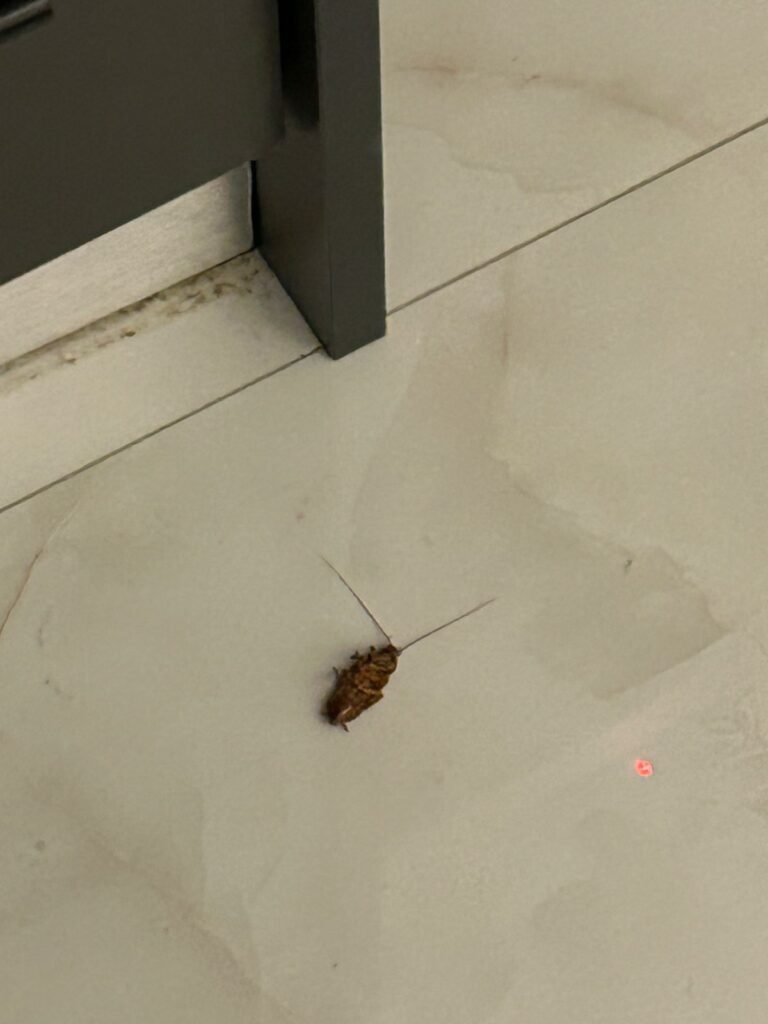
Distinguishing mouse droppings from rat, bat, or cockroach feces is important. Rat droppings are much bigger (around 1 cm), while cockroach droppings look more like black dust or pepper, the biggest size is half of a mouse dropping.
Biology & Ecology
House mice are warm-blooded mammals that live close to humans for food and shelter. They can produce 40–100 droppings per day, contaminating our surfaces and stored food. During winter, they move indoors to find their shelter to avoid the cold. Their feces and urines, may carry bacteria and viruses such as Salmonella or Hantavirus in some regions.
Global Distribution
The house mouse is found worldwide—in homes, restaurants, warehouses, and food industries.
-
Europe: Common in residential buildings and food storage sites.
-
USA & Canada: Associated with Hantavirus Pulmonary Syndrome in some rural areas.
-
Australia & Asia: Often invades during seasonal temperature drops, especially in urban kitchens and cafes.
No matter the country, droppings indicate a hidden infestation.
Risks / Damage
Mouse droppings do not only look unpleasant. They can:
-
Contaminate food and utensils with bacteria such as Salmonella enterica and Leptospira spp.
-
Trigger allergies and asthma through microscopic dust particles.
-
Spread Hantavirus when inhaled after droppings dry out and turn to dust.
-
Damage reputation and hygiene ratings in food businesses.
Even if you do not touch the droppings directly, airborne particles can pose risk when disturbed.
How Long Are Mouse Droppings Dangerous
Mouse droppings remain dangerous for weeks or months if not removed.
Hantavirus can survive for several days in dry conditions, while bacteria may persist longer in moist environments. Droppings under appliances, inside insulation, or attics can stay infectious until properly cleaned. Always assume they are unsafe if you cannot confirm their age.
Chances of Getting Sick from Mouse Droppings
The actual chance of getting sick is low but real. Most people who contact droppings will not fall ill, but the risk rises if you inhale dust or touch food surfaces contaminated with them.
In the USA, only a few dozen Hantavirus cases occur per year, but they can be fatal. In Europe and Asia, the more common concern is Salmonella or Leptospira.
Children, the elderly, and people with weak immune systems are more vulnerable.
I Accidentally Vacuumed Mouse Droppings — What to Do
If you vacuumed mouse droppings accidentally:
-
Stop immediately and turn off the vacuum.
-
Move it outdoors if possible and dispose of the bag carefully in a sealed plastic bag and throw it to the garbage.
-
Clean the vacuum parts with a disinfectant (see below).
-
Ventilate the room for at least 30 minutes.
-
If you have allergies or notice flu-like symptoms within 1–3 weeks, contact a doctor.
Vacuuming without a HEPA filter spreads particles in the air, increasing risk of inhalation.
Best Disinfectant for Mouse Droppings
Use bleach solution or any approved disinfectant with proven activity against viruses and bacteria.
Steps:
-
Do not sweep or vacuum dry droppings.
-
Spray the droppings and surrounding area generously.
-
Wait 5–10 minutes before wiping with paper towels.
-
Dispose of all materials in sealed plastic bags.
-
Wash hands thoroughly with soap and water.
In professional settings, I often use quaternary ammonium disinfectants or hydrogen peroxide-based products that meet public health standards.
Signs of Infestation
-
Fresh or dried droppings along walls and near food.
-
Scratching noises at night.
-
Gnaw marks on cables or packaging.
-
Musky odor, especially in storage rooms.
-
Nests made of shredded paper, cloth, or insulation.
If you see more than a few droppings daily, there is likely an active colony.
Control & Prevention Methods
-
Seal entry points: Use steel wool, cement, or metal mesh. Mice can enter through 6 mm gaps.
-
Eliminate food sources: Keep food in airtight containers, clean crumbs, and cover garbage bins.
-
Reduce clutter: Less hiding space means easier inspection.
-
Use traps: Snap traps are effective for small infestations.
-
Avoid poison indoors: Dead mice can create odor and hygiene problems.
-
Sanitize regularly: Especially kitchens, pantries, and warehouses.
Advanced / Professional Approaches
In larger infestations, pest control professionals apply Integrated Pest Management (IPM) combining sanitation, exclusion, and targeted baiting.
Professionals use tamper-resistant bait stations, track powder, UV inspection for urine trails, and HEPA-filtered vacuums to remove contaminated dust safely.
For businesses handling food, professional documentation is often required by HACCP standards.
Cultural or Historical Context
Mice have coexisted with humans since early agriculture. Ancient Egyptians stored grain in sealed silos partly to keep rodents away. In modern cities, poor waste management still attracts them, showing that sanitation remains the most effective defense.
FAQ Section
How long are mouse droppings dangerous?
For weeks or months if not cleaned. Viruses and bacteria may survive for days on dry surfaces.
Can I get sick from mouse droppings?
Yes, though it is rare. Illnesses include salmonellosis and, in some regions, hantavirus infection.
What happens if I vacuum mouse droppings?
You may spread contaminated dust. Dispose of the vacuum bag, clean it outdoors, and disinfect thoroughly.
What is the best disinfectant for cleaning mouse droppings?
Use a bleach solution (1:10 ratio) or any EPA-approved disinfectant effective against viruses and bacteria.
Are old mouse droppings still harmful?
Yes. Even dry droppings can release airborne pathogens when disturbed.
When should I call a professional?
If you find large amounts of droppings, smell strong odor, or see activity despite traps. Professionals ensure safe cleanup and long-term prevention.
For more on indoor pests like this one, see our full Urban & Indoor Pests guide.
Final Thoughts
Mouse droppings are not just a sign of poor hygiene; they are a warning of a hidden infestation that can affect both health and business reputation. Even a few pellets behind a fridge or under a shelf can indicate a larger problem. Cleaning safely, sealing entry points, and keeping food areas spotless are the most important preventive actions.
In my experience, professional pest control becomes essential when droppings keep reappearing, especially in restaurants, cafés, or food warehouses. A certified technician can inspect, disinfect, and design a long-term prevention plan safely and legally.
Disclaimer
This article is for informational purposes only. Pest control laws and approved chemicals vary by country. For best results and legal safety, we strongly recommend contacting a licensed pest control professional in your local area. Always make sure that the pest control technician is properly certified or licensed, depending on your country’s regulations. It’s important to confirm that they only use approved products and apply them exactly as instructed on the product label. In most places in Europe, the UK, or the USA, following label directions is not just best practice—it’s the law.
Nasos Iliopoulos, BSc Agronomist & Certified Pest Control Expert
Scientific Director – Advance Services (Athens, Greece)
Licensed Pest Control Business – Ministry of Rural Development & Food (GR)