Bed Bug Dropping Health Risk: What Those Tiny Stains on Your Sheets Really Mean
 As a pest control technician, I often get calls from people worried about strange dark spots on their sheets or mattresses. Many ask me: Are these bed bug stains? or Does bed bug poop smear? Others try a bed bug smear test at home and panic when the mark turns reddish brown.
This article explains what bed bug droppings look like, why they appear, what risks they bring, and how to clean and prevent them safely.
Identification
Bed bug (Cimex lectularius) droppings are small, dark spots that look like black ink stains. They are about 1 mm in diameter—similar to the dot left by a fine marker. You may see them on sheets, pillowcases, mattress seams, headboards, or walls near the bed.
-
Color: Fresh droppings are dark brown to black and may appear shiny.
-
Texture: They are soft when fresh and smear when rubbed with a wet tissue.
-
Location: Commonly found along seams, in corners, or on the underside of bed slats.
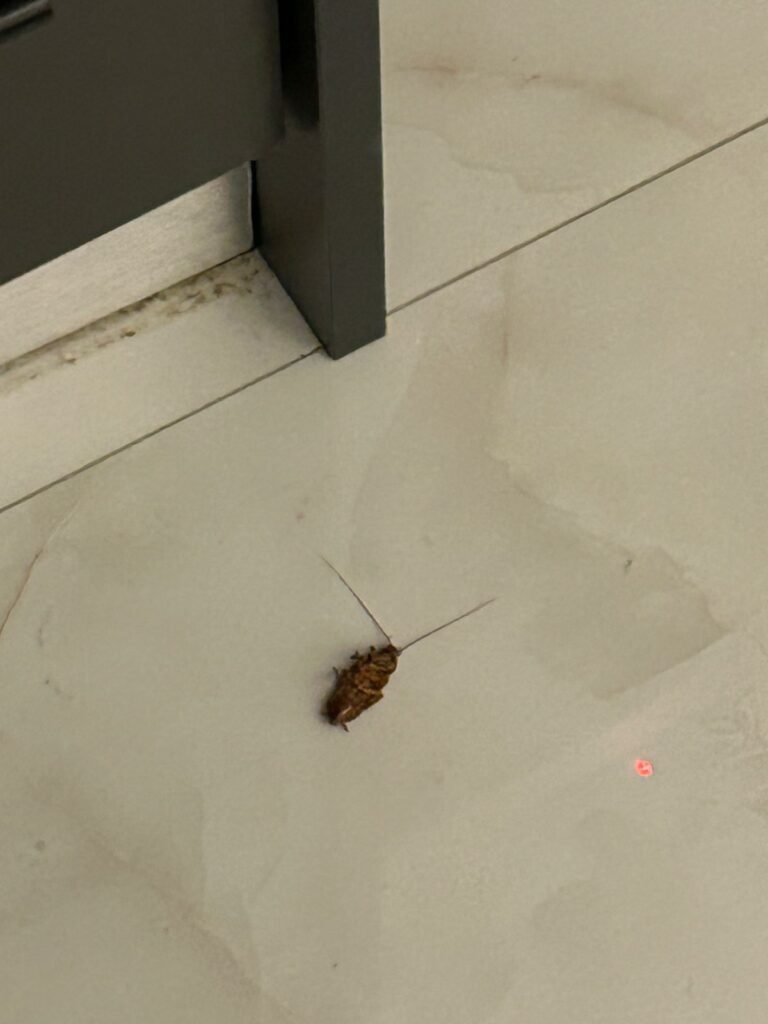
People often confuse these with flea dirt, cockroach droppings, or mold stains, but bed bug feces are smaller and have a characteristic ink-like appearance.
Biology & Ecology
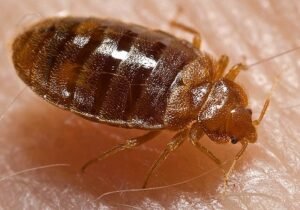
Bed bugs are hematophagous insects—meaning they feed only on blood, mostly from humans. After feeding, they digest the blood and excrete concentrated waste rich in digested hemoglobin. This feces gives the typical black or dark rusty stains we see on bedding.
They hide during the day in cracks and crevices and come out at night to feed. A single bed bug in bed can produce several droppings after each meal, and a large infestation may leave hundreds of tiny stains in a short time.
Global Distribution
Bed bugs are found worldwide—in luxury hotels, apartments, dormitories, airplanes, and homes.
-
Europe: Most infestations appear in urban centers with frequent travel.
-
USA: Bed bugs are common in hotels, apartment buildings, and public transport.
-
Australia: Increased during summer months with tourism and warm weather.
-
Asia: Often seen in crowded housing or older buildings.
The species Cimex hemipterus (tropical bed bug) dominates in warmer regions, while Cimex lectularius prefers temperate climates.
Risks / Damage
Bed bug droppings themselves are not known to spread disease, but they pose indirect health and hygiene risks:
-
Allergic reactions: Some people develop skin irritation from contact with feces.
-
Asthma triggers: Dried droppings can release microscopic particles that irritate airways.
-
Bacterial growth: Feces mixed with moisture can harbor bacteria over time.
-
Psychological impact: Constant fear of being bitten can lead to anxiety and insomnia.
For businesses, visible stains on beds or linens can destroy customer trust immediately.
Early Bed Bug Stains on Sheets
Early signs include tiny black or dark brown dots on pillowcases, corners of sheets, and mattress seams. Sometimes you might see faint reddish smears from crushed bugs or fresh feces.
If you wake up with bites and notice these stains, inspect the mattress and bed frame carefully with a flashlight.
Bed Bug Smear Test – Does Bed Bug Poop Smear?
The bed bug smear test is a quick home method:
-
Dampen a piece of tissue or cotton swab.
-
Gently rub a dark spot.
-
If it smears into a reddish or brownish mark, it is likely bed bug feces (digested blood).
If it stays dry or flaky, it could be something else like dirt or mold.
Remember, this test confirms presence but not the size of infestation.
Bed Bug Feces on Sheets – Cleaning and Safety
Although bed bug droppings are not highly infectious, clean them properly to avoid allergens and odor:
-
Wear gloves and mask to avoid touching or inhaling particles.
-
Spray the area with disinfectant or soapy water before wiping.
-
Wash sheets and pillowcases in hot water (60 °C or higher) and dry at high heat.
-
Steam clean mattress seams and frames.
-
Vacuum with a HEPA filter and empty it outdoors.
Never brush dry stains—they may release fine dust containing allergens.
Signs of Infestation
-
Small black dots or smears on mattress or bed frame.
-
Sweet, musty odor near the bed.
-
Tiny blood spots from crushed bugs.
-
Shed skins and eggs in mattress seams.
-
Bites in rows or clusters on arms or legs.
Finding multiple signs usually means the infestation is active.
Control & Prevention Methods
-
Inspect secondhand furniture before bringing it home.
-
Reduce clutter to limit hiding places.
-
Use bed bug-proof mattress covers.
-
Vacuum regularly around beds and baseboards.
-
Avoid DIY insecticides that may worsen the spread.
-
Launder travel clothes immediately after returning from hotels.
If stains or bites keep appearing, call a certified pest control technician.
Advanced / Professional Approaches
Professionals use integrated methods combining:
-
Steam treatment (above 60 °C) to kill bed bug eggs and nymphs.
-
Residual insecticides applied to cracks and joints.
-
Heat treatment for full-room eradication.
-
Monitoring traps to confirm elimination.
In commercial settings like hotels or hostels, regular inspections and staff training are essential for prevention.
Cultural or Historical Context
Bed bugs have existed since ancient times. Archaeological evidence shows they infested human dwellings over 3,000 years ago. Despite modern hygiene, international travel and trade have made them resurgent globally. In many cultures, their smell—a mix of almond and musty odor—was once used as a natural “signal” of their presence before modern detection tools.
FAQ Section
What do early bed bug stains on sheets look like?
Tiny dark spots, like black ink dots, often near mattress seams or pillow edges.
Does bed bug poop smear?
Yes. Fresh droppings smear into a reddish-brown mark when rubbed with a damp tissue.
How can I tell bed bug feces from dirt or mold?
Bed bug feces smear reddish-brown, while dirt stays dry and gray.
Are bed bug droppings dangerous?
Not directly infectious, but they can trigger allergies and indicate active infestation.
What is the bed bug smear test?
A simple test using a damp tissue to check if a dark spot smears red or brown—confirming it’s likely bed bug feces.
How do I clean bed bug feces on sheets and mattresses?
Wash all fabrics in hot water, steam clean, and disinfect affected areas. Always wear gloves and avoid dry brushing.
For more on indoor pests like this one, see our full Urban & Indoor Pests guide.
Final Thoughts
Bed bug droppings are not just stains—they are proof that blood-feeding insects live near your bed. Even small black dots on sheets or headboards can mean an early infestation. Cleaning without removing the cause will only hide the evidence for a short time.
From my experience, once droppings appear repeatedly, you need a full inspection. Heat and steam treatments, combined with professional monitoring, are the safest way to eliminate both bugs and residues. The key is consistency: clean, inspect, and seal every possible hiding place.
Disclaimer
This article is for informational purposes only. Pest control laws and approved chemicals vary by country. For best results and legal safety, we strongly recommend contacting a licensed pest control professional in your local area. Always make sure that the pest control technician is properly certified or licensed, depending on your country’s regulations. It’s important to confirm that they only use approved products and apply them exactly as instructed on the product label. In most places in Europe, the UK, or the USA, following label directions is not just best practice—it’s the law.
Author
Nasos Iliopoulos
BSc Agronomist & Certified Pest Control Expert
Scientific Director, Advance Services (Athens, Greece)
Licensed Pest Control Business – Ministry of Rural Development & Food (GR)
References
-
PubMed Central – Bed Bugs (Hemiptera, Cimicidae): A Global Challenge for Public Health and Control Management
-
University of Kentucky Entomology – Bed Bug Biology and Control Guide