How I Know If I Have Bed Bugs: A Practical Inspection Guide for Homes and Small Businesses
 Bed bugs are one of the most misunderstood pests I deal with. Many clients tell me, “I am not sure if I have bed bugs, maybe it’s mosquitoes or maybe it’s in my mind. How do I know if I have bed bugs or not?” This confusion is normal because Cimex lectularius – bed bug infestations are often silent in the very beginning, when there are only one or two insects in the room. They hide very well, you don’t feel them when they bite, and the bites do not always appear the same way or immediately. Early signs are easy to miss.
In this article, I explain how you can roughly confirm a bed bug infestation with simple steps. I focus on realistic symptoms, what physical evidence to look for, and how to avoid misidentifying other pests like fleas, mites, mosquitoes, etc.
I have treated many bed bug cases in apartments, hotels, hostels, and small businesses, and the first challenge is always correct identification.
How I Know If I Have Bed Bugs- Identification
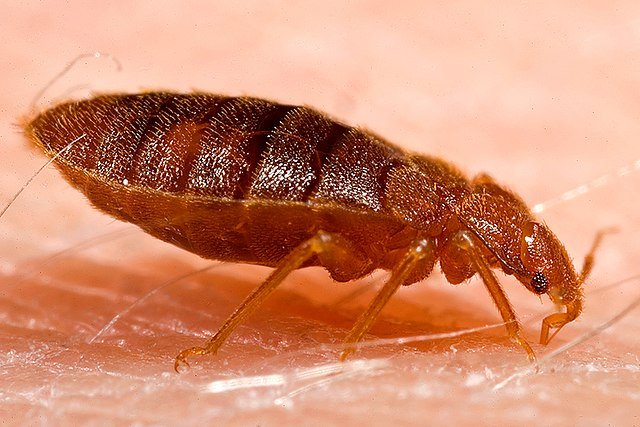
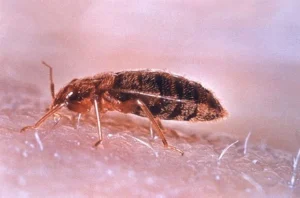
Bed bugs are small, flat, reddish-brown insects with the following characteristics:
-
Size: 4–6 mm as adults
-
Shape: oval, flat like an apple seed or lentils.
-
Color: Brown, darker brown to almost black, and reddish when full of blood.
-
Movement: slow, no jumping, no flying, and they do not run fast. They walk in a steady, carriage-like way because they cannot move quickly.
They hide:
-
In mattress seams
-
Behind headboards
-
Inside bed frames
-
When the infestation is bigger, we can find them in electrical devices and sockets.
-
Behind loose wallpaper
-
In sofa cushions
Clients often confuse bed bugs with:
-
Fleas (jumping, found on pets)
-
Carpet beetle larvae (hairy, cause skin reactions)
-
Booklice in bed (tiny, harmless insects in humid rooms)
-
Mites
-
German cockroach nymphs
Knowing the difference is essential for correct treatment.
Biology & Ecology
Cimex lectularius feeds on human blood. They are nocturnal, hiding during the day and feeding at night when you sleep or stay still. They can survive for many months without feeding, sometimes up to two years, which makes them difficult to eliminate with behaviour changes alone.
Urban buildings provide:
-
Warm temperatures
-
Constant human hosts
-
Many cracks and hiding points
-
Shared walls (spreading between apartments)
This biology explains why it's the question "how do I know if I have bed bugs very logical. You cannot see them easily, and the DIY treatments fail most of the time.
Global Distribution of Bed Bugs
Bed bugs exist in:
-
Europe: large outbreaks in France, UK, Germany, and Greece.
-
USA & Canada: major cities like New York, Los Angeles, Toronto, and Chicago.
-
Australia: frequent in hostels and hotels.
-
Asia: common in densely populated cities like Tokyo, Seoul, and Manila.
The global travel industry has increased the bed bugs dramatically.
Risks / Damage
Bed bugs do not transmit diseases, but they create significant problems:
-
Itchy bites leading to discomfort and nervous breakdown.
-
Allergic reactions in some cases
-
Insomnia and anxiety
-
Costs from replacing mattresses or furniture and expensive treatments every now and then
-
Reputational damage for hotels, hostels, and short-term rentals
-
Risk of spreading to neighbours or guests
They do not damage structures or wood like termites or carpenter ants, but the psychological impact is often worse.
How I Know If I Have Bed Bugs- Signs of Infestation
This is the key section: how you know if you have bed bugs.
1. Bites on the skin (but be careful)
You know that you have bed bugs if you have bites like:
-
As small red bumps
-
Often in a line or cluster, if you have two or more closely you are concerned.
-
On arms, legs, shoulders, neck
However:
-
Some people show no reaction at all
-
Reactions may appear hours or days later
-
Bites can look like mosquito bites or allergy
So bites alone are never proof. You need physical evidence.
2. Black fecal spots on bed.
This is one of the most reliable signs. Bed bug droppings look like:
-
Tiny black dots.
-
The size of a ballpoint pen mark
-
Usually clustered
-
Found on mattress seams, bed frames, mattresses, corners, behind headboards or even on the walls.
If you wipe with a wet cloth, the stain smears like black ink.
3. Blood spots on sheets
After feeding, bed bugs may be crushed when you move at night.
Look for:
-
Small reddish smears
-
On pillowcases, sheets, or the side of the mattress
4. Live bed bugs (the strongest evidence)
You may see them:
-
When lifting a mattress, you can find bed bugs in your bed.
-
When checking the edge seams
-
When removing the headboard
-
Inside sofa folds
-
Under bedside tables
Early infestations may show only 2–5 insects. Heavy infestations show dozens that hide even behind paintings or in the sockets.
5. Shed skins (exuviae)
When you have a heavy infestation. Bed bugs shed their skin as they grow. These light brown shells accumulate:
-
Under mattress
-
In bed frame cracks
-
Behind furniture
6. Sweet, musty smell
Large infestations sometimes create a sweet, almond-like smell.
Not everyone detects it.
7. Behaviour patterns
If:
-
Bites appear every 3–7 nights. Be bugs have a meal once per week. But if you have a lot of them, they bite almost every night.
-
You travel frequently
-
You bought used furniture
-
Guests stayed recently
- You use public trasnportation
…your chances increase.
8. Inspect other hiding areas
Bed bugs can hide in:
-
Electrical outlets
-
Curtains
-
Behind pictures
-
Baseboards
-
Under carpets
They also spread between apartments, especially in multi-unit buildings.
Control & Prevention Methods
What you can do immediately.
-
Vacuum seams and cracks
-
Wash bedding on high heat
-
Dry bedding in dryer (high heat kills all stages)
-
Reduce clutter near beds
-
Use mattress encasements
-
Avoid sleeping on sofas if infested
These steps help reduce numbers but do not eliminate colonies completely.
What to avoid
-
-
Using aerosol sprays (bed bugs hide too deeply).
-
Throwing mattresses away (they also hide in frames and inside walls).
-
Using essential oils as “treatments” (completely ineffective).
We strongly recommend not trying to treat bed bugs by yourself, because proper control requires professional training and experience.
-
Advanced / Professional Approaches
So now that the question "How do I Know If I Have Bed Bugs has been answered, you have to ask for professional treatment, which usually includes:
-
Detailed mapping of all hiding spots
-
Use of approved residual insecticides
-
Use of desiccant dusts in cracks and sockets
-
Heat treatment (in some countries)
-
Follow-up visits after 10–14 days
-
Monitoring tools to confirm elimination
In Europe, USA, and Australia, legal restrictions apply. Professionals use specific formulations that reach deep nests and kill resistant individuals.
DIY methods rarely reach the entire colony because bed bugs hide in very deep cracks.
FAQ
How do I know for sure if I have bed bugs?
You need physical evidence: live insects, fecal spots, shed skins, or blood stains.
Do bed bug bites always appear in lines?
Not always. This is a common myth. Bites depend on your skin reaction.
Can bed bugs live on pets?
No. That is fleas, not bed bugs. Bed bugs feed on humans and hide near sleeping areas.
Do bed bugs only live in dirty homes?
No. Clean or dirty makes no difference. They only need access to a human host.
Can I remove them by washing bedding?
Washing helps, but the infestation is usually inside the bed frame, not the sheets.
How fast do bed bugs spread?
Very fast in apartments. They move through cracks and electrical conduits.
Learn more about Wildlife & Vertebrate Pests
Final Thoughts
Confirming a bed bug infestation is not about guessing or relying only on bites. The real answer comes from physical evidence: faecal spots, shed skins, blood marks, or live insects. These signs are clear when you know where to look. In many homes and small businesses I inspect, people waste weeks thinking it is mosquitoes, allergies, or “something in the air,” when the problem is already developing inside the bed frame or sofa structure. Early inspection gives you control. Once the infestation grows, professional treatment becomes the safest and most reliable solution.
Disclaimer
This article is for informational purposes only. Pest control laws and approved chemicals vary by country. For best results and legal safety, we strongly recommend contacting a licensed pest control professional in your local area. Always make sure that the pest control technician is properly certified or licensed, depending on your country’s regulations. It’s important to confirm that they only use approved products and apply them exactly as instructed on the product label. In most places in Europe, the UK, or the USA, following label directions is not just best practice—it’s the law.
Author
Nasos Iliopoulos, BSc Agronomist & Certified Pest Control Expert
Scientific Director – Advance Services (Athens, Greece)
Licensed Pest Control Business – Ministry of Rural Development & Food (GR)
References
-
University of Kentucky Entomology – Bed Bugs
-
University of Minnesota Extension – Bed Bug Control