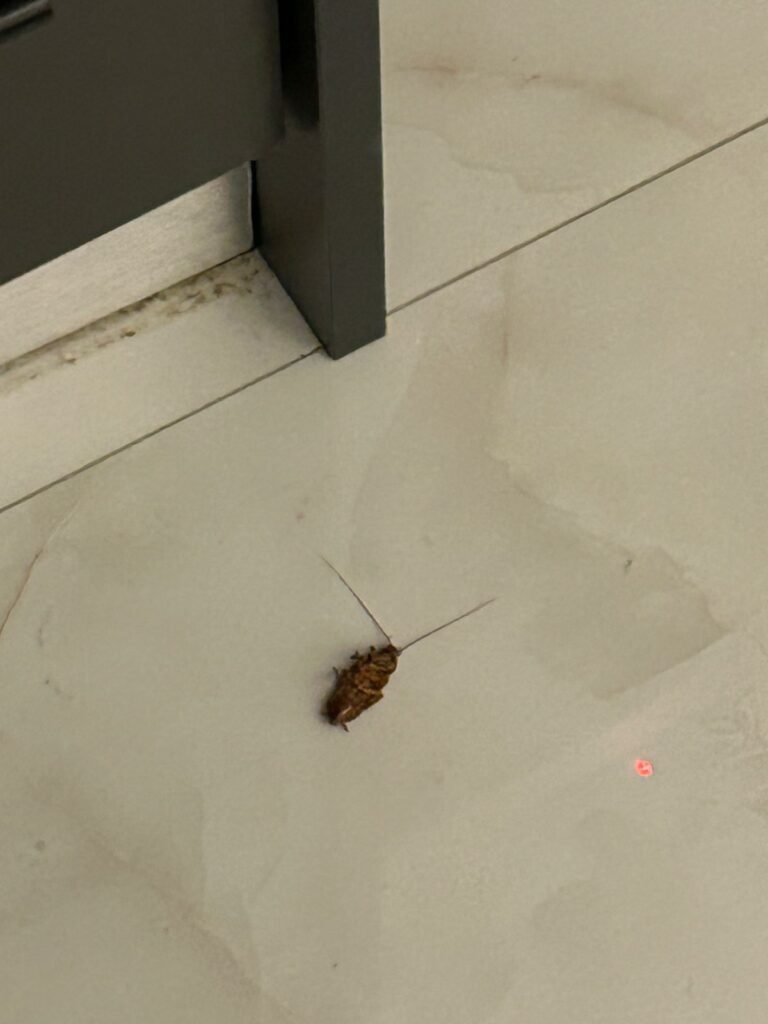
Do Earwigs Go in Your Ear?
 I have treated many earwig infestations in homes, cafés, and small shops. Recently, I heard a question that I had not heard before: “Do earwigs go in your ear?” The idea is scary, and the name of the insect makes it worse. But the truth is simple: earwigs almost never enter human ears, and they do not seek them on purpose.
This article explains the real risk, how earwigs behave, how to identify them, and what to do if you find them in your home or garden.
Identification
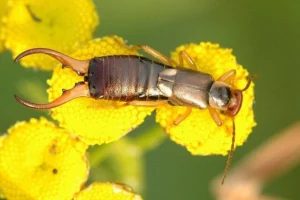
The common earwig (Forficula auricularia) is a small, flat, brown insect with noticeable pincers at the end of the abdomen. These pincers look dangerous, but they are not strong enough to cause real harm.
People often confuse earwigs with silverfish, centipedes, small cockroaches, or even juvenile ground beetles. Correct identification helps avoid unnecessary fear.
Main characteristics:
-
Length 12–15 mm
-
Dark brown or reddish-brown body
-
Quick, nocturnal movement
-
Pincers (forceps) used for defense and folding wings
Biology & Ecology
Earwigs prefer moist, dark, protected places. Outdoors, they hide under mulch, stones, pots, and wood. Indoors, they appear near bathrooms, laundry rooms, basements, and kitchens.
Their diet includes decaying organic matter, fungi, soft-bodied insects, and occasionally tender plant parts. In the USA, Europe, Australia, and many parts of Asia, earwigs follow similar moisture-driven patterns.
They do not seek humans, pets, or warm blood. Their biology gives no reason for them to enter human ears intentionally. They have nothing to do there.
Global Distribution
Earwigs are common almost everywhere:
-
Europe (especially humid coastal zones)
-
USA and Canada (Pacific Northwest, Midwest, Northeastern states)
-
Australia (Queensland, New South Wales)
-
Asia (Japan, Korea, wetter parts of China)
Their behavior is consistent worldwide: they follow moisture, shelter, and organic debris.
Do Earwigs Actually Go in Your Ear?
The short answer: almost never.
The myth comes from old European stories and the ancient belief that many insects entered human bodies during sleep. Also, the old English name ēare-wicga (“ear creature”) added to the fear.
Modern medical reports show that earwigs entering human ears is extremely rare and purely accidental. They do not hunt for ears, warmth, or human skin. They simply crawl into tight, dark spaces when disturbed, just like spiders, woodlice, or ants sometimes do.
Risks and Damage
Earwigs do not spread diseases, do not suck blood, and do not have venom.
Possible minor issues:
-
Light pinching from the pincers (not dangerous)
-
Plant damage in gardens when populations grow enough.
-
Occasional indoor appearance in humid homes
They do not cause structural damage like termites, and they do not contaminate food like cockroaches.
Signs of Infestation
Common indicators include:
-
Multiple sightings at night
-
Presence in bathroom or basement, around drains, sinks, and baseboards
-
Earwigs outside can be hidden under outdoor pots, stones, and mulch
-
Increased moisture, leaks, or poor ventilation indoors
If you see one or two, it is usually an accidental entry. But if you see several per day may indicate outdoor overpopulation.
Control & Prevention Methods
Simple and natural methods work well:
-
Reduce humidity indoors (dehumidifier, fix leaks)
-
Seal cracks and holes, around windows, doors, and plumbing
-
Remove outdoor debris and clutter, mulch piles, and wet soil pockets
-
Keep plants and garden beds cleaner and drier if possible.
-
Use sticky traps
Earwigs dislike dry, clean, and well-ventilated environments.
Advanced / Professional Approaches
When natural methods are not enough, professional treatment may include:
-
Targeted low-toxicity perimeter sprays
-
Exterior baiting combined with structural sealing
In commercial kitchens and food shops, maintaining strict dryness and sanitation is usually enough to prevent recurring activity.
Cultural or Historical Context
The myth of earwigs entering ears dates back hundreds of years. Before modern entomology, people often explained unusual sensations or infections by blaming insects. The old English word for earwig added to the idea, even though the insect has no natural behavior related to human ears.
FAQ
1. Do earwigs crawl into ears while you sleep?
Almost never. It is accidental and extremely rare.
2. Can an earwig lay eggs inside a human ear?
No. Their biology does not support this behavior.
3. Do earwigs bite humans?
They do not bite. They may pinch lightly with their forceps if handled.
4. Why do I see earwigs in my bathroom?
Moisture, leaks, and poor ventilation attract them.
5. What is the fastest way to stop earwigs indoors?
Dry the environment, seal entry points, and remove their hiding spots.
Final Thoughts
Most people fear earwigs because of old stories, not because of real risk. As a certified pest controller, I usually find that the problem is moisture, not the insect itself. When you keep your home dry, sealed, and clean, earwigs disappear fast. If numbers grow or you suspect hidden moisture issues, a professional inspection is the safest and most efficient option.
For more on indoor pests like this one, see our full Urban & Indoor Pests guide.
Disclaimer
This article is for informational purposes only. Pest control laws and approved chemicals vary by country. For best results and legal safety, we strongly recommend contacting a licensed pest control professional in your local area. Always make sure that the pest control technician is properly certified or licensed, depending on your country’s regulations. It’s important to confirm that they only use approved products and apply them exactly as instructed on the product label. In most places in Europe, the UK, or the USA, following label directions is not just best practice—it’s the law.
Author Bio
Nasos Iliopoulos, BSc Agronomist & Certified Pest Control Expert
Scientific Director – Advance Services (Athens, Greece)
Licensed Pest Control Business – Ministry of Rural Development & Food (GR)
References
-
University of California Statewide Integrated Pest Management Program (UC IPM) – Earwig Management
-
Penn State Extension – Earwigs: Identification and Behavior
-
University of Minnesota Extension – Earwigs in and Around Homes