
Agricultural & Garden Pests
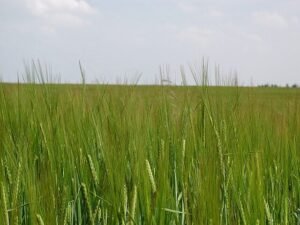
Agricultural and outdoor pests include insects and other arthropods that affect crops, gardens, ornamental plants, and managed outdoor vegetation. These pests interact directly with plant systems, influencing plant health, productivity, and ecological balance.
On the other hand we will see some outdoor pests that do not damage plants but living in natural environments may affect people during outdoor activities or when they come into contact with human.
This category focuses on pests commonly found in farms, gardens, forests, and other outdoor environments. These pests can damage plants, reduce crop yields, affect the appearance of vegetation, or spread plant diseases. Their activity often depends on weather conditions, seasons, and how the land or plants are managed.
Scope of This Section
In the Agricultural & Outdoor Pests category we will see pests associated with outdoor plant systems, including:
- Crop and garden insects such as aphids, thrips, spider mites, leafhoppers, and crop-associated moths
- Pests affecting vegetables, fruits, field crops, ornamentals, and landscape plants
- Species whose populations fluctuate based on climate, host availability, and agricultural practices
What Else you Will Find Here
I’ll give you a general idea of:
-
how to recognize common outdoor pests and insects
-
what they do, where they live, and how they behave
-
how they can affect plants, crops, or simply bother people outdoors
-
why some pests appear more often during certain seasons or conditions
-
practical and responsible ways to prevent and manage pest problems
The content is written in a clear and practical way, helping readers understand not only what a pest is, but why it shows up and how it is usually dealt with in real outdoor environments.
IPM-Based Approach to Plant Protection
Instead of relying on a single method or utopic quick, one-size-fits-all solutions, I follow an Integrated Pest Management (IPM) approach to deal with pest problems outdoors.
This means looking at the whole situation first—what the pest is, how serious the problem is, and what makes sense in each case—before choosing the right combination of methods.
In practice, this includes:
-
monitoring pest activity and understanding when action is really needed
-
timing interventions based on pest behavior, biology and life cycle
-
using cultural and mechanical measures whenever possible
-
considering biological control and natural balance
-
using chemical control only when necessary and always according to regulations, laws and labels
The goal is effective pest control with the least possible impact on earth, using the right tools at the right time, not avoiding or overusing any single method.
Agricultural Pests vs. Urban Indoor Pests
The pests covered here are mostly linked to plants and outdoor environments, such as gardens, fields, and natural areas.
When pests live inside buildings or regularly enter homes and other indoor spaces, you’ll find them in the Urban & Indoor Pests section instead.
Explore Agricultural & Garden Pests
Use the sub-sections below to explore easy-to-follow guides about outdoor pests—what they are, why they appear, and how they are usually managed around plants, gardens, and outdoor spaces.
Other Pests and Knowledge Hubs
Stored Product Pests
Wood destroying Pests
Wildlife and Vertebrate Pests
Tools and Quizzes