Cicadas Indoors or Near Houses: Noise, Causes, and Practical Control
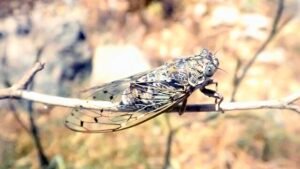
Every summer, homeowners report very loud buzzing and clicking sounds outside windows or patios. The source is usually cicadas (family Cicadidae) — large insects known for their loud calls and seasonal appearances. Usually they are not considered pests but if they gather in large numbers near trees, gardens, or walls around our house they might be a problem causing disturbance and mess. In nature, cicadas are often hunted by orb weaver spiders (Araneidae), praying mantises (Mantodea), and giant centipedes (Scolopendra spp.), which help keep their populations in balance.
Though their song can reach over 90 decibels, cicadas are harmless. The main challenge for residents is noise, discarded shells, and occasional indoor intrusions when doors or windows are left open.
Identification
Cicadas are easy to recognize once seen up close:
-
Size: 2–5 cm long, robust body.
-
Color: Brown or green with clear, veined wings.
-
Eyes: Prominent, usually reddish.
-
Sound: Males produce loud calls using vibrating membranes called tymbals.
-
Life stage indoors: Usually the adult or newly emerged form after molting.
The shed exoskeletons (exuviae) often remain clinging to walls, fences, or tree trunks. People sometimes mistake them for live insects.
Biology & Ecology
Cicadas are unique for their long underground life cycles, feeding as nymphs on plant roots for years—some species up to 17 years (like Magicicada septendecim in the USA).
When soil temperatures rise above 18 °C, nymphs emerge to molt into adults, climb onto vertical surfaces, and begin calling. Adults live only a few weeks, focused entirely on reproduction.
Cicadas thrive in warm, tree-rich environments and prefer deciduous trees such as oak, maple, or olive. They are drawn to light at night, which explains why they sometimes fly toward houses or enter through open doors.
Global Distribution
Cicadas exist on every continent except Antarctica.
-
North America: Periodical cicadas (Magicicada spp.) appear in massive synchronized broods.
-
Europe: Common annual cicadas like Lyristes plebejus and Cicada orni, widespread in Mediterranean regions.
-
Asia & Australia: Dozens of native species, some extremely loud, such as Psaltoda claripennis.
-
Africa & South America: Rich diversity, often year-round activity in tropical areas.
In temperate climates, they emerge mainly from late spring through early autumn.
Risks / Damage
Cicadas do not bite, sting, or carry disease. They are not attracted to human food and cause no indoor contamination.
Main issues around houses:
-
Persistent loud noise near bedrooms or balconies.
-
Brown stains or shells on walls, fences, and windows.
-
Rare indoor entries, especially during night lighting.
-
Females laying eggs in twigs can damage very young trees or garden plants.
In commercial or agricultural zones, heavy emergence may overwhelm outdoor areas or air vents but seldom requires chemical control.
Signs of Infestation
Cicadas are easy to detect by:
-
Continuous loud buzzing or clicking, often peaking at midday.
-
Empty exoskeletons on walls, trees, or outdoor furniture.
-
Flying adults bumping into windows at night.
-
Soil holes (about 1 cm wide) at the base of trees after emergence.
If they enter a home, it’s usually a single adult following light or sound.
Control & Prevention Methods
1. Physical Exclusion
-
Keep windows and doors screened.
-
Seal gaps around vents, air conditioners, and eaves.
-
Turn off unnecessary outdoor lighting during heavy emergence periods.
2. Environmental Management
-
Trim overhanging branches near windows and walls.
-
Clean outdoor surfaces regularly to remove shells and prevent buildup.
-
Protect young shrubs and fruit trees with fine mesh netting during egg-laying season.
3. Indoor Response
If a cicada flies inside:
-
Switch off the lights.
-
Open a window or door toward the light source; it will fly out.
-
Avoid crushing it; their bodies can stain walls or curtains.
4. Natural Predators
Birds, wasps, mantises, spiders, and even small mammals feed on cicadas. Encouraging these predators helps balance populations naturally.
Advanced / Professional Approaches
In urban or facility environments (e.g., food warehouses or event spaces), pest control professionals may use light management systems or electronic light traps to reduce attraction.
Chemical treatment is unnecessary and ineffective—cicadas do not breed indoors and die naturally after a few days. The most practical professional approach focuses on monitoring, cleaning, and exclusion rather than insecticides.
Cultural or Historical Context
Cicadas have fascinated humans for millennia. In ancient Greece, they symbolized rebirth and immortality. In Japan, they represent summer and the cycle of life, appearing in poetry and art.
Despite their noise, cicadas are ecologically valuable—aerating soil, feeding wildlife, and marking seasonal change.
FAQ
Are cicadas harmful to humans?
No. They neither bite nor sting.
Why do cicadas come near houses?
They are attracted by light and warmth, especially around illuminated walls and windows.
Can cicadas infest homes?
No. They cannot reproduce or survive long indoors.
How to get rid of cicadas near my house?
Turn off outdoor lights, close screens, and remove exoskeletons from surfaces.
Why are cicadas so loud?
Male cicadas use tymbals to call females. The sound can exceed 90 dB.
How long do cicadas live?
Adults live only 3–6 weeks after emerging from the ground.
Do cicadas damage plants?
Only females laying eggs in soft twigs may harm young trees
Final Thoughts
Cicadas are seasonal visitors, not true household pests. When they appear indoors, it is almost always by accident — drawn by light, warmth, or reflective windows. They do not reproduce or feed inside homes, so removal is simple and chemical treatment is unnecessary.
The best strategy is prevention through exclusion: keep screens in good condition, turn off outdoor lighting during the evening, and clean up shed shells regularly. In gardens, young trees may need net protection during egg-laying periods, but mature plants are rarely affected.
For homeowners, the real challenge is the noise, not the insect. Once their short mating season ends, cicadas disappear naturally. When properly managed, they leave no long-term problems, only a reminder of the summer cycle of nature.
Learn more about other agricultural and outdoor pests that affect gardens and crops.
Disclaimer
This article is for informational purposes only. Pest control laws and approved chemicals vary by country. For best results and legal safety, we strongly recommend contacting a licensed pest control professional in your local area. Always make sure that the pest control technician is properly certified or licensed, depending on your country’s regulations. It’s important to confirm that they only use approved products and apply them exactly as instructed on the product label. In most places in Europe, the UK, or the USA, following label directions is not just best practice—it’s the law.
Author
Nasos Iliopoulos
BSc Agronomist & Certified Pest Control Expert
Scientific Director, Advance Services (Athens, Greece)
Licensed Pest Control Business – Ministry of Rural Development & Food (GR)