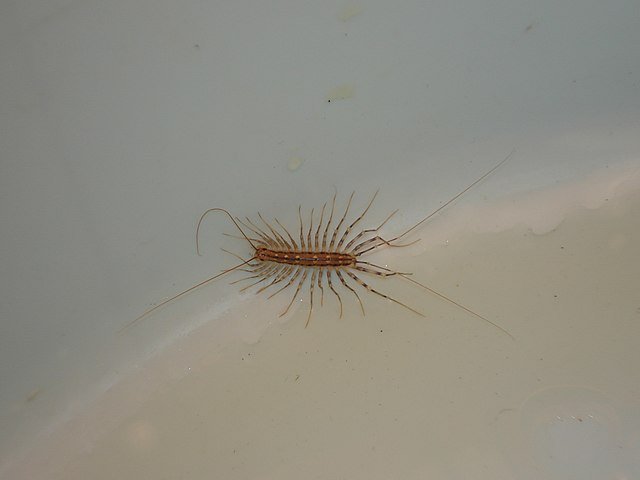
Cockroach Pest Control: Why Sprays Alone Don't Work
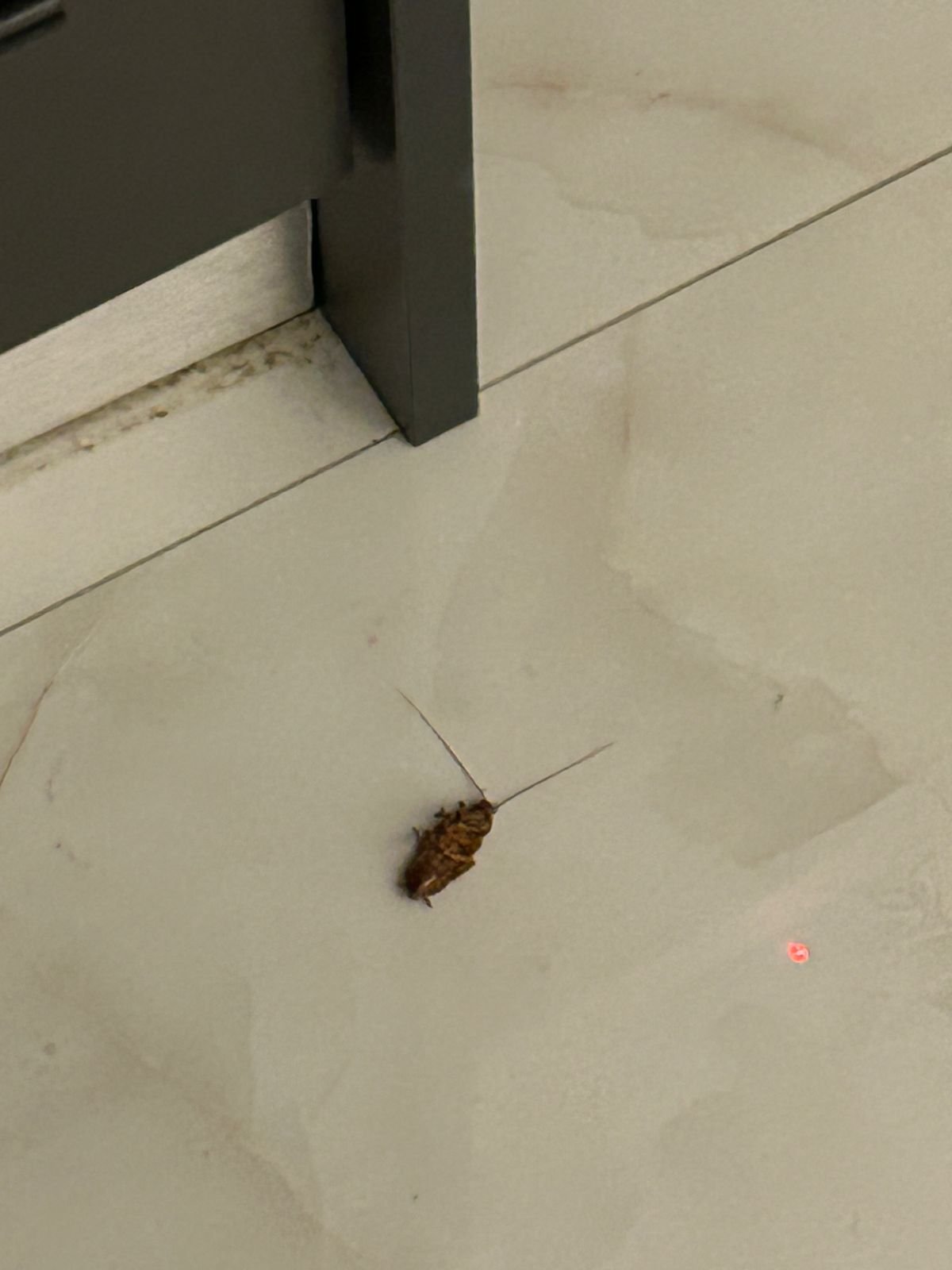
Imagine waking up at night and hearing something crawling next to the bed — and then finding out it's a cockroach. You could have avoided it, but the measures weren't taken in time. Usually when I start asking questions, most clients tell me the same thing: they hadn't followed the pest control programme, or hadn't sealed the holes in the walls, or hadn't closed off the siphons in the sinks.
Cockroaches are one of the most hated indoor pests around the world. They’re dirty, fast, and incredibly hard to get rid of. And the worst part? Some of them can fly—or at least glide—which makes them even more terrifying.
If you’ve spotted even one cockroach in your home or business, chances are it’s not alone. Roaches are great at hiding, and where there’s one, there are usually many more nearby.
In this guide, we’ll explain everything you need to know about cockroach control using easy language, simple tips, and a mix of DIY and professional methods.
Cockroaches belong to the order Blattodea. Around 4,500 species exist worldwide, but in most homes and businesses only three actually matter: the German cockroach (Blattella germanica), the American cockroach (Periplaneta americana), and the Oriental cockroach (Blatta orientalis). Treating them the same way is the most common reason DIY sprays fail — each species behaves differently, and the treatment has to match the species, not the other way around.
The three species you're actually dealing with
In my career as a certified pest controller and agronomist, I've dealt with 3+1 species of roaches. Here they are.
German cockroach. Small, 1.3–1.6 cm, light brown with two dark stripes running down the thorax. It doesn't fly. It doesn't come up from drains — it travels in boxes, bags, delivery crates, secondhand appliances. A female produces 4–8 egg capsules in her lifetime, each holding 30–40 eggs, and the full cycle from egg to adult runs 6–9 months. This is the species you find in kitchens and bathrooms, and it's also the most resistant to sprays. Gel bait targeted at harborage points works far better than residual spraying, because German cockroaches are contact-averse — they avoid treated surfaces when they can.
Oriental cockroach. Up to 2.5 cm, dark brown to glossy black. Males can glide short distances, 2–3 meters, but don't rely on wings to travel. Life cycle runs 1–1.5 years. A female produces up to 8 capsules, 14–16 eggs each. This one does come up through drains, gaps, and cracks, and needs temperatures between 20–29°C to thrive — which is why it shows up seasonally rather than year-round. It feeds on starch and decaying organic matter and survives outdoors as well as indoors.
American cockroach. The largest of the three, up to 5 cm, reddish-brown. Capable of gliding up to 100 meters when disturbed. Life cycle of 1–1.5 years, roughly 6 capsules per female, 150–200 eggs total. Found in sewers, basements, drains, and wall voids — prefers warm, humid, dark spaces and organic decay. This is the species people associate with "big roaches from the drain," and it's usually a building-level or sewer-connection issue rather than a single-apartment problem.
The "+1 species": Ectobius. I've come across this one many times on balconies, and in areas with pine trees and other vegetation nearby — it's a cousin of the true cockroaches. Ectobius looks similar to the German cockroach, but it can fly and it lives outdoors. It's essentially an outdoor pest and doesn't harm people or property. If you've spotted something that looks like a German cockroach on your balcony or terrace and can't figure out why indoor treatment isn't affecting it, this is often the reason — it was never an indoor infestation to begin with.
Why store sprays don't solve it
A contact spray kills whatever it touches, at the moment it touches it. It does nothing to an egg capsule, and it does nothing to a roach that's still inside a wall void or under an appliance where the spray never reached. German cockroaches, specifically, can detect certain insecticides and route around treated surfaces — which is why people who spray repeatedly sometimes see the population get harder to control, not easier: they've selected for the individuals that avoid the product.
The capsule is the real obstacle. Depending on the species, an egg capsule takes anywhere from a few weeks to a couple of months to hatch, and nothing sold over the counter penetrates it. This is why a home can look "roach-free" after spraying and then have a new wave of juveniles appear three to four weeks later — the capsules that were already laid before treatment are simply catching up.
What actually changes the outcome
Identification first. Knowing which of the three species you have decides the method — gel bait in cracks and behind equipment for German cockroaches, drain and gap treatment for Oriental, and addressing the entry point (sewer connections, foundation gaps) for American. Spraying visible surfaces without identifying the species is the single most common wasted effort.
Insect growth regulators (IGRs) matter more than most people realize. They don't kill adults — they stop nymphs from maturing and reproducing, which breaks the cycle over subsequent weeks rather than in a single visit. Combined with gel bait and targeted residual application in voids and cracks — not open floors or countertops — this is what actually brings a population down instead of just knocking back what's visible.
A second visit, roughly 3–4 weeks after the first, isn't upselling — it's timed to catch the generation that was still in capsule form during the first treatment. Skipping it is the most common reason people think a treatment "didn't work" when in fact the timeline was simply cut short.
Realistic timelines
Light infestations: visible activity usually drops within a week, as roaches that contact treated surfaces or bait die off.
German cockroach infestations: 3–6 weeks to substantially clear, because of the capsule cycle and the species' resistance to contact products. A second treatment is close to standard, not exceptional.
Seeing juveniles after treatment isn't a sign of failure — capsules laid before treatment still have to hatch, and those nymphs still have to walk across a treated surface or bait station to be affected.
Prevention that actually matters
Moisture control does more than any spray. Fix leaks, don't let condensation build up under sinks or around AC units — all three species are drawn to humidity before anything else. Seal gaps around pipework and drains, since that's the entry route for Oriental and American cockroaches specifically. Store food and pet food in sealed containers, since German cockroaches spread through packaging far more than through open doors. And if you live near shared drainage, basements, or ground-floor units, periodic inspection matters more than periodic spraying — catching a small population before it establishes is far easier than clearing an established one.
Final Thoughts
Cockroaches are tough pests, but with the right steps you can keep your home or business roach-free. Start with cleaning and sealing. Use traps or safe powders. If the problem is big, don’t wait—call a professional
Sources
- U.S. Environmental Protection Agency – Cockroach Control
- Centers for Disease Control and Prevention – Cockroach Allergen Facts
Disclaimer
This article is for informational purposes only. Food safety (HACCP) and pest control requirements vary by country, authority, and type of food business. For legal compliance and audit readiness, always consult a qualified HACCP professional and a licensed pest control operator in your area.
All pest control measures must use approved products and be applied strictly according to the product label, as required by law in most jurisdictions (including the EU, UK, and USA). Improper use of pesticides, lack of documentation, or absence of a structured pest monitoring program may lead to non-compliance, fines, or business closure.
A compliant system must include documented procedures, monitoring records, corrective actions, and verification. Pest control is not optional—it is a core prerequisite program under HACCP and must be properly implemented, recorded, and reviewed.
Author Bio
BSc Agronomist & Certified Pest Control Expert
Scientific Director – Advance Services (Athens, Greece)
Licensed Pest Control Business – Ministry of Rural Development & Food (GR)