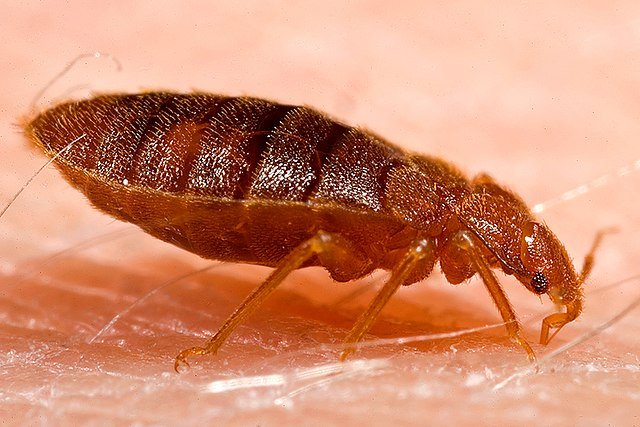
Darkling Beetle (Tenebrionidae) – Identification, Risks, and Control
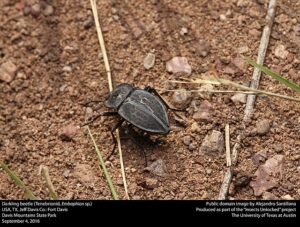 Darkling beetles (family Tenebrionidae) are a large group of beetles found worldwide. They are especially common in stored products, grain facilities, and poultry farms, where they feed on decaying organic matter, grains, and animal feed. Some species, such as the lesser mealworm (Alphitobius diaperinus) and flour beetles (Tribolium spp.), are significant pests in agriculture and food storage.
While darkling beetles are essential decomposers in nature, indoors or in warehouses they can cause contamination, structural damage, and hygiene problems.
Identification
Adult darkling beetles are black or dark brown, oval-shaped, and range from 3 to 18 mm long. Their bodies are hard and shiny, with distinct ridges on the wing covers (elytra). Unlike carpet beetles or weevils, they cannot fly because many species have fused elytra.
Key features:
-
Color: dark brown to black
-
Antennae: short and segmented
-
Wings: fused, not functional for flight
-
Movement: walk or crawl, often active at night
Larvae, often called mealworms, are yellowish-brown, cylindrical, and can reach 25 mm long. They resemble small worms and are sometimes used as pet food or fishing bait.
Biology & Ecology
Darkling beetles are scavengers. They feed on:
-
Grains, cereals, and flour
-
Animal feed and manure
-
Dead insects and organic waste
Their life cycle includes egg, larva, pupa, and adult stages, lasting from 40 to 100 days, depending on temperature and humidity. The larvae prefer warm, moist environments such as under litter or feed trays in poultry houses.
In warehouses and homes, they thrive in stored products, cracks, and debris. They are nocturnal and hide during the day.
Global Distribution
Darkling beetles occur on every continent except Antarctica.
-
Europe: Common in grain storage and poultry operations.
-
USA & Canada: Found in feed mills, barns, and commercial kitchens.
-
Australia: Frequent in poultry sheds and grain facilities.
-
Asia: Present in food factories, bakeries, and warehouses.
They adapt well to human environments, especially where food and moisture are abundant.
Risks & Damage
Darkling beetles are not directly dangerous to humans but are serious pests in food storage and livestock environments.
Main risks:
-
Contamination: They infest feed, flour, grains, and food products.
-
Structural damage: Their larvae can tunnel through insulation, wood, and plastic.
-
Disease vector: In poultry houses, they can carry Salmonella, E. coli, and Marek’s disease virus.
-
Odor and nuisance: Dead beetles or decaying larvae cause foul smells and attract other pests.
In homes, infestations usually start from bird nests, pet food, or stored grains.
Signs of Infestation
-
Presence of small black beetles in feed or flour
-
Mealworm-like larvae crawling in dark corners
-
Damage to packaging, insulation, or feed sacks
-
Accumulation of shed skins and droppings
-
Beetles emerging at night around lights or cracks
Control & Prevention Methods
Sanitation is the key.
-
Clean regularly – Remove spilled feed, flour, and organic waste.
-
Inspect storage areas – Check bags, boxes, and corners for larvae.
-
Keep products sealed – Use airtight containers for grains and flour.
-
Reduce moisture – Dry conditions prevent egg and larval survival.
-
Eliminate bird nests – Many infestations start from outdoor nests.
-
Vacuum cracks and crevices where beetles hide.
Advanced / Professional Approaches
Professionals may use:
-
Residual insecticides (e.g., pyrethroids) applied to cracks, walls, and foundations.
-
Insect growth regulators (IGRs) to stop larvae from maturing.
-
Heat or cold treatments for contaminated feed or equipment.
-
Fumigation in large storage facilities (by licensed professionals only).
Proper pest management requires combining sanitation, structural repairs, and chemical treatments.
Cultural or Historical Context
Darkling beetles have coexisted with humans for millennia. Ancient farmers noticed them in stored grain, giving rise to the term “mealworm.” Despite their pest status, their larvae are also bred today as sustainable animal feed and even considered as a future protein source for humans in some regions.
FAQ Section
Are darkling beetles harmful to humans?
No, but they contaminate food and can spread bacteria in poultry houses.
Do darkling beetles bite?
No, they don’t bite or sting.
What attracts darkling beetles?
They are drawn to warmth, moisture, and decaying organic material.
How do I get rid of darkling beetles?
Clean thoroughly, store food properly, and use residual insecticides where needed.
Can darkling beetles infest homes?
Yes, especially in basements, kitchens, or near stored grains and pet food.
What kills darkling beetle larvae?
Heat treatment (above 50°C), diatomaceous earth, or IGR-based products can eliminate larvae effectively
Final Thoughts
Darkling beetles are more than just nuisance pests — in the wrong environment, they can cause significant contamination, economic loss, and even disease spread in poultry and food storage facilities. Regular cleaning, moisture control, and monitoring are the foundation of prevention.
For homeowners, the most common entry points are stored grains, bird nests, and pet food. Always inspect and seal storage containers, and clean up any organic debris that might attract them. In commercial settings, integrated pest management (IPM) — combining hygiene, mechanical removal, and professional chemical treatments — is the only sustainable solution.
If infestation signs persist, contact a licensed pest control expert. Professionals can assess the source, identify the species, and apply targeted insecticides or fumigation in compliance with local laws.
Disclaimer
This article is for informational purposes only. Pest control laws and approved chemicals vary by country. For best results and legal safety, we strongly recommend contacting a licensed pest control professional in your local area. Always make sure that the pest control technician is properly certified or licensed, depending on your country’s regulations. It’s important to confirm that they only use approved products and apply them exactly as instructed on the product label. In most places in Europe, the UK, or the USA, following label directions is not just best practice—it’s the law.
Author
Nasos Iliopoulos
BSc Agronomist & Certified Pest Control Expert
Scientific Director, Advance Services (Athens, Greece)
Licensed Pest Control Business – Ministry of Rural Development & Food (GR)
References
- Britannica - Darkling Beetle