Firebrat vs Silverfish: Key Differences, Risks, and Control Methods
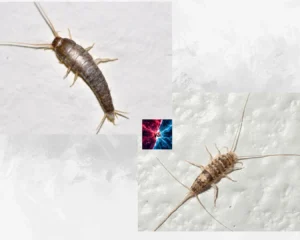 Firebrats vs silverfish. Many people ask about the difference, and they are often confused because these insects look very similar and belong to the same insect order. Both are fast-moving, wingless insects that live indoors and feed on common household materials such as paper, glue, and food residues.
In practice, however, firebrats and silverfish behave differently. They prefer different environments, thrive under different temperature conditions, and require slightly different control strategies. In pest control work, confusing one for the other is common—and it often leads to ineffective treatment and repeated infestations.
In my work as a pest control professional, I have treated many homes, cafés, bakeries, archives, and small food businesses where the client thought they had silverfish, but the real problem was firebrats. Understanding the difference matters. It affects where you look, how you prevent them, and when professional help is needed.
This article explains firebrat vs silverfish in simple terms, with a clear comparison focused on real-world pest control.
Identification
Silverfish (Lepisma saccharinum – silverfish)
-
Color: silvery gray, metallic shine
-
Size: 12–19 mm (½–¾ inch)
-
Body: flat, carrot-shaped
-
Movement: very fast, fish-like
-
Antennae: long, thin
-
Tails: three long bristles at the rear
Firebrat (Thermobia domestica – firebrat)
-
Color: gray-brown with dark mottled patterns
-
Size: similar to silverfish, sometimes slightly larger
-
Body: more arched and robust
-
Movement: fast but often more active in warm zones
-
Antennae and tails: similar structure, slightly thicker appearance
Key visual clue: firebrats usually look darker and more “patterned,” while silverfish look smooth and shiny.
Biology & Ecology
Silverfish and firebrats are primitive insects. They do not undergo full metamorphosis. Juveniles look like small adults and molt many times during their life.
Silverfish biology
-
Prefer cool to moderate temperatures (18–24°C / 65–75°F)
-
Need high humidity (above 60%)
-
Hide in bathrooms, bedrooms, basements, bookshelves
-
Active mostly at night
-
Lifespan: up to 3–5 years under good conditions
Firebrat biology
-
Strong preference for heat (32–38°C / 90–100°F)
-
Thrive in dry-to-moderate humidity if heat is constant
-
Found near ovens, boilers, furnaces, bakeries, server rooms
-
More tolerant of dry environments than silverfish
-
Reproduce faster in warm buildings
Because of this, firebrats are more common in commercial kitchens, heating rooms and industrial buildings, while silverfish dominate homes and apartments.
Global Distribution
Both pests are found worldwide.
-
Europe: silverfish common in older apartments; firebrats frequent in bakeries and boiler rooms
-
United States: silverfish widespread in homes; firebrats common in the South and in heated buildings
-
Australia: firebrats often reported in hot climates and commercial kitchens
-
Asia: both species present, with firebrats increasing in dense urban areas
Neither species is seasonal indoors. Heated buildings allow year-round activity.
Risks / Damage
Firebrats and silverfish do not bite and do not transmit diseases, but they cause indirect damage.
Common damage
-
Paper, books, archives, documents
-
Cardboard packaging
-
Wallpaper glue
-
Dry food residues (flour, sugar, starch)
-
Fabrics with starch or sizing
Silverfish risks
-
Damage to books, paper, photos
-
Contamination of stored items
-
Psychological stress for occupants
Firebrat risks
-
Higher risk in food businesses
-
Contamination near ovens and food prep zones
-
Harder to control due to heat tolerance
In cafés, bakeries, and food shops, firebrats are considered a hygiene compliance issue, even if they are not medically dangerous.
Signs of Infestation
-
Live insects seen.
-
Shed skins (small, translucent flakes)
-
Yellowish stains or droppings near walls if infestation is big
-
Damage to paper or packaging
-
In kitchens: sightings near ovens, coffee machines, or electrical panels
Firebrats are often seen during the day in very warm areas, which is less common for silverfish.
Control & Prevention Methods
Environmental control
-
If we identify the pest as silverfish we have high humidity and we need to Reduceit
-
Fix leaks and condensation
-
Improve ventilation
-
Seal cracks, gaps, and wall voids
Cleaning and sanitation
-
Remove food residues
-
Clean behind appliances
-
Reduce cardboard storage and reduce clutter
-
Vacuum regularly along edges and corners
Physical measures
-
Sticky traps for monitoring justo to know what happens
-
Heat-resistant traps near ovens for firebrats
-
Storage of paper and food in sealed containers
These steps help, but they rarely eliminate an established infestation on their own.
Advanced / Professional Approaches
In real infestations, especially with firebrats, professional treatment is usually required.
Professional methods may include
-
Targeted residual insecticides are applied only in cracks, crevices, and wall voids, and never in areas where food is prepared or handled.
-
Insect growth regulators.
-
Monitoring plans for food businesses
Firebrats are harder to eliminate because standard sprays break down faster at high temperatures. This is a common failure point in DIY control.
I often see repeated infestations where the heat source was never addressed.
FAQ – Practical Questions
What is the main difference between firebrat and silverfish?
Firebrats prefer high heat, while silverfish prefer cooler, humid areas. This affects where they live and how they are controlled.
Which is worse, firebrat or silverfish?
In homes, silverfish are more common. In food businesses, firebrats are usually worse due to hygiene and compliance risks.
Can firebrats live in normal houses?
Yes, but mostly near boilers, hot water systems, or ovens. Without heat, they do not thrive.
How to get rid of firebrats in kitchens?
Cleaning alone is not enough. Heat-tolerant professional treatments and sealing of hot zones are usually required.
Are silverfish and firebrats a sign of poor hygiene?
Not always. They are often linked to building conditions like humidity, heat, and hidden food sources.
Do firebrats or silverfish attract other pests?
They can coexist with cockroaches, booklice, and carpet beetles, especially in warm, poorly sealed buildings. However, they do not attract these pests; they simply prefer similar environmental conditions.
Final Thoughts
Firebrats and silverfish may look similar, but in real pest control work they behave very differently. Silverfish usually indicate humidity and hidden moisture problems. Firebrats almost always point to heat sources, equipment, or poorly sealed hot zones.
In my experience, silverfish infestations in homes can often be reduced with environmental corrections and targeted treatments. Firebrat infestations, especially in cafés, bakeries, and food shops, are more demanding. Heat destroys many common insecticides, so incorrect treatment leads to repeated failures.
Correct identification is the first step. Without it, time and money are wasted, and the problem keeps coming back.
Disclaimer
This article is for informational purposes only. Pest control laws and approved chemicals vary by country. For best results and legal safety, we strongly recommend contacting a licensed pest control professional in your local area. Always make sure that the pest control technician is properly certified or licensed, depending on your country’s regulations. It’s important to confirm that they only use approved products and apply them exactly as instructed on the product label. In most places of the world, in Europe, Australia, the UK, or the USA, following label directions is not just best practice—it’s the law.
Author
Nasos Iliopoulos, BSc Agronomist & Certified Pest Control Expert
Scientific Director – Advance Services (Athens, Greece)
Licensed Pest Control Business – Ministry of Rural Development & Food (GR)
References
-
University of California IPM Program – Silverfish and Firebrats
-
Penn State Extension – Silverfish and Firebrats in Structures