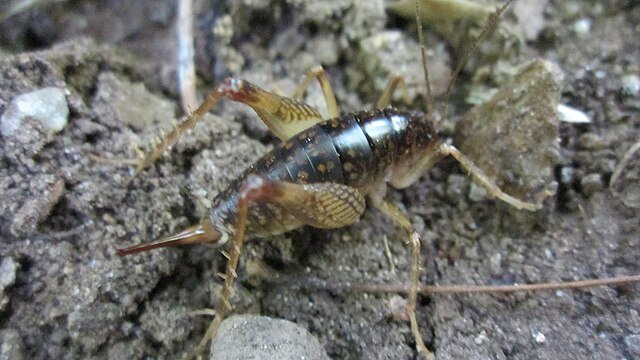
Leafhopper Assassin Bug (Zelus renardii)
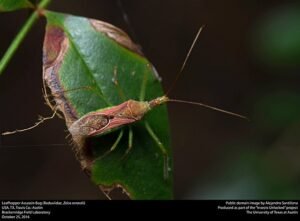 One insect that creates a lot of interest—especially in outdoor gardens—is the leafhopper assassin bug, Zelus renardii. This species is a natural predator and can help control many pest insects, but sometimes homeowners worry because it looks similar to biting insects or indoor nuisance pests.
This guide explains how to identify the leafhopper assassin bug, how it behaves, where it is found around the world, and how to manage situations where its presence becomes a concern.
Identification
The leafhopper assassin bug belongs to the family Reduviidae, the same group that includes many predatory insects. It should not be confused with household pests like bed bugs, cockroaches, or ants, even though some people mistake it for a dangerous species.
Key identification features:
-
Slender body, usually light green or yellow-green
-
Long legs and narrow head with a pointed beak (rostrum)
-
Moves slowly and deliberately, unlike fast-running insects
-
Nymphs resemble small green spiders but have no wings
-
Adults are usually 12–18 mm long
They are visually similar to other garden insects such as mantidflies, green lacewings, and nymphs of true bugs, but the long curved rostrum is the defining feature.
Biology & Ecology
The leafhopper assassin bug is a beneficial predator. It feeds on a wide range of soft-bodied insects, including:
-
Leafhoppers
-
Whiteflies
-
Aphids
-
Small caterpillars
-
Spider mites
-
Other small beetle larvae
This insect uses an ambush-hunting strategy. It waits motionless on leaves and stems, then uses its sticky front legs and sharp rostrum to capture prey. Once caught, the bug injects digestive enzymes to liquefy the prey’s internal tissues.
Life cycle:
-
Eggs are laid on leaves or stems in small clusters
-
Nymphs hatch and start feeding immediately
-
Development takes 6–8 weeks depending on temperature
-
Adults live several months in warm climates
In indoor settings, they rarely survive unless there is a constant supply of prey.
Global Distribution
The leafhopper assassin bug is native to North America, but it has spread widely due to plant trade and climate adaptation.
Regions where it is common:
-
USA (California, Arizona, Texas, Southeast, Pacific Coast)
-
Mexico and Central America
-
Southern Europe (Spain, Italy, Greece)
-
Australia (Queensland, coastal New South Wales)
-
Parts of Asia (Japan, South Korea, Taiwan)
Its spread mirrors that of other adaptable species like brown marmorated stink bugs and lace bugs, especially in warm and semi-arid regions.
Risks / Damage
Unlike destructive insects such as termites, carpenter ants, or wood-boring beetles, the leafhopper assassin bug does not damage structures, furniture, or food products.
Potential concerns:
-
They can bite humans if handled roughly. The bite is painful but not dangerous.
-
They may alarm homeowners because of their appearance.
-
In very high populations, they may disturb outdoor seating areas or patios.
Benefits:
-
They significantly reduce pest insects in gardens
-
They help control leafhoppers, which are vectors of plant diseases
-
They reduce aphids and whiteflies that damage vegetables and ornamentals
Overall, they are considered beneficial insects, not pests.
Signs of Infestation
The presence of leafhopper assassin bugs is usually identified in outdoor areas with high pest populations.
Common signs:
-
Many insects resting on leaves and stems
-
Little clusters of eggs on foliage
-
Nymphs moving slowly among leaves
-
Reduced populations of aphids or leafhoppers
-
Increased sightings on flowers or vegetable plants
They do not infest indoor areas, basements, kitchens, or storage rooms like silverfish, pantry moths, or ants.
Control & Prevention Methods
Most of the time, control is not needed and not recommended because the leafhopper assassin bug is beneficial. But if homeowners or business owners find high populations around outdoor tables, doorways, or patios, a few simple steps can reduce their presence.
Non-chemical methods
-
Reduce outdoor lighting at night (attracts insects, which attract predators)
-
Trim vegetation close to seating areas
-
Remove flowering weeds that gather insects
-
Seal cracks around doors to prevent accidental entry
Garden management
-
Encourage natural predators by keeping balanced vegetation
-
Avoid overuse of broad-spectrum insecticides that kill beneficial insects
-
Use water sprays to move assassin bugs away from high-traffic areas
Indoor prevention
-
Install screens on windows and doors
-
Keep indoor lights off when windows are open at night
Advanced / Professional Approaches
Professional pest control for leafhopper assassin bugs is rarely necessary. However, in commercial outdoor areas—such as cafés with patios—management may include:
-
Light management plans to reduce insect attraction
-
Targeted vegetation trimming
-
Low-impact perimeter treatments (only when populations become disruptive)
-
Monitoring programs to track pest and beneficial insect balance
I usually avoid insecticides for this species because it is an effective natural predator and part of garden health.
Cultural or Historical Context
Assassin bugs have appeared in folklore across many cultures because of their unique rostrum and predatory behavior. In some regions, they are seen as protectors of crops because they reduce pest insects. In others, they are feared because certain assassin bug species (like kissing bugs) can bite humans. The leafhopper assassin bug, however, is harmless to people and valued by gardeners.
FAQ
1. Are leafhopper assassin bugs dangerous?
They can bite if handled, but they are not dangerous and do not spread diseases.
2. Do they infest houses?
No. They are outdoor insects and rarely enter homes.
3. Are they beneficial for gardens?
Yes. They help control leafhoppers, aphids, and many soft-bodied pests.
4. How do I remove them from a patio area?
Reduce lighting, trim plants, and gently move them using water sprays.
5. Do they eat other beneficial insects?
Yes, occasionally, but they mostly target pest species.
6. How can I identify a leafhopper assassin bug?
Look for a slender green body, long legs, and a pointed rostrum.
7. Can they survive indoors?
Not usually. There is not enough prey for them to complete their life cycle.
Final Thoughts
The leafhopper assassin bug is one of the most useful natural predators I see in gardens, orchards, and outdoor business areas. Many people worry when they find these insects near their homes, but in most cases they are helping more than they are harming. When I inspect properties with high pest pressure—leafhoppers, aphids, whiteflies, and small caterpillars—the presence of Zelus renardii is usually a sign that the ecosystem is trying to balance itself.
Control is rarely needed unless these insects gather in outdoor seating areas or patios where people spend time. Good lighting management, plant trimming, and basic preventive steps are often enough. Heavy chemical treatments are not recommended because they remove beneficial predators that naturally protect plants. Understanding their role makes it easier to work with nature instead of against it.
Learn more about other agricultural and outdoor pests that affect gardens and crops.
Disclaimer
This article is for informational purposes only. Pest control laws and approved chemicals vary by country. For best results and legal safety, we strongly recommend contacting a licensed pest control professional in your local area. Always make sure that the pest control technician is properly certified or licensed, depending on your country’s regulations. It’s important to confirm that they only use approved products and apply them exactly as instructed on the product label. In most places in Europe, the UK, or the USA, following label directions is not just best practice—it’s the law.
Author Bio
Nasos Iliopoulos, BSc Agronomist & Certified Pest Control Expert
Scientific Director – Advance Services (Athens, Greece)
Licensed Pest Control Business – Ministry of Rural Development & Food (GR)
References
-
University of California Statewide Integrated Pest Management (UC IPM) – Predatory Insects in Gardens
-
Texas A&M Agrilife Extension – Assassin Bugs Biology and Identification