Moles (Family Talpidae): Identification, Biology, Risks, and Control
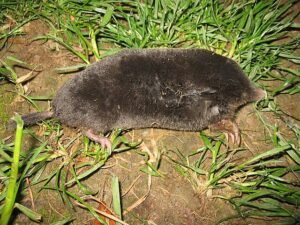 Moles, belonging to the family Talpidae, are small, subterranean mammals that spend almost their entire lives underground. Known for their velvety fur, cylindrical bodies, and paddle-like forelimbs, these animals are superbly adapted to digging. While admired by some for their engineering skills, moles are considered pests in agriculture, landscaping, and home gardens due to the tunnels and surface mounds they leave behind.
Moles do not feed on plants directly. Instead, they prey on soil-dwelling invertebrates such as earthworms, grubs, and insect larvae. Nevertheless, their tunneling behavior disrupts lawns, damages root systems, and creates unsightly ridges in turf.
Understanding the biology, distribution, risks, and control strategies of moles is essential for anyone managing residential properties, farms, or golf courses.
Identification
Moles are often confused with rodents, but they belong to a separate order of insectivores. Distinguishing features include:
-
Size: Typically 11–17 cm (4–7 in) long, weighing 70–120 g.
-
Fur: Dense, velvety fur that can lie in any direction, allowing easy movement in tunnels.
-
Eyes: Tiny and often concealed under fur; moles are functionally blind.
-
Ears: No external pinnae; hearing is highly sensitive.
-
Forelimbs: Broad, spade-like with large claws, specialized for digging.
-
Tail: Short, sparsely furred, used for tactile sensing.
Species examples:
-
Talpa europaea (European mole) – common in Europe.
-
Scalopus aquaticus (Eastern mole) – widespread in North America.
-
Condylura cristata (Star-nosed mole) – famous for its 22 fleshy appendages around the snout.
Biology and Ecology
Feeding Behavior
Moles are insectivores, with diets consisting primarily of earthworms, beetle larvae, and other soil invertebrates. They require large quantities of food, often consuming 70–100% of their body weight daily. Their saliva contains toxins that can paralyze prey, allowing them to store live worms in underground “larders.”
Reproduction
-
Breeding season: Late winter to early spring.
-
Gestation: About 4–6 weeks.
-
Litters: 3–6 pups per female.
-
Independence: Young leave the nest within 4–5 weeks.
Lifestyle
-
Solitary animals, except during breeding season.
-
Active year-round, unaffected by cold weather thanks to their underground insulation.
-
Tunnels are of two types:
-
Surface tunnels (temporary, near the ground) for foraging.
-
Deep tunnels (permanent, deeper) for nesting and long-term use.
-
Global Distribution
Moles inhabit a wide range of temperate regions:
-
Europe: Talpa europaea dominates central and western Europe.
-
North America: Scalopus aquaticus is common east of the Rockies, while the Star-nosed mole lives in wet lowlands.
-
Asia: Several Talpa species occur across Russia, China, and Japan.
-
Absent regions: Moles are not found in South America, Australia, or sub-Saharan Africa.
They prefer moist, loamy soils rich in invertebrate life. Sandy soils collapse too easily, while heavy clays are difficult to tunnel through.
Risks and Damage
Although moles play beneficial roles by aerating soil and controlling insects, they also create problems:
-
Agricultural damage: Disruption of root systems, especially in crops like potatoes or carrots.
-
Lawns and gardens: Surface ridges and molehills ruin aesthetics and interfere with mowing.
-
Sports fields and golf courses: Mounds damage turf quality and create hazards for players.
-
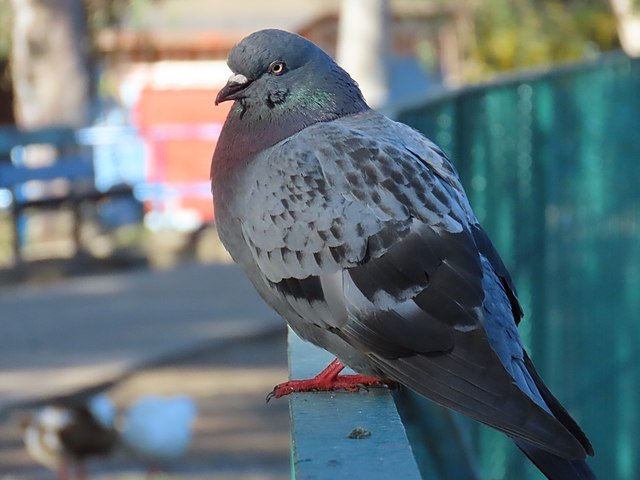
Indirect plant loss: While moles don’t eat plants, their tunnels expose roots to desiccation and provide entryways for other pests like Pigeons (Columba livia) pecking at disturbed soil or insects seeking food.
Signs of Infestation
Mole presence is easy to identify due to:
-
Molehills: Conical piles of soil above tunnel exits.
-
Surface ridges: Raised lines on lawns indicating shallow tunnels.
-
Plant disturbance: Wilting or uprooted plants near active runs.
-
Activity patterns: Fresh soil mounds appearing daily are signs of ongoing tunneling.
Unlike Cluster flies (Pollenia rudis), which cluster indoors, moles remain outdoors but can cause extensive hidden damage.
Control Methods
Managing moles is challenging because of their underground lifestyle. Control strategies include:
Trapping
-
Scissor-jaw traps and harpoon traps are widely used.
-
Placement along active tunnels is crucial for success.
-
Ethical considerations: Traps may kill instantly or cause suffering if poorly set.
Baits
-
Poisoned baits containing bromethalin or warfarin are sometimes used but raise environmental and ethical concerns.
-
Effectiveness varies; earthworm-based baits are more attractive.
Repellents
-
Castor oil-based products deter moles by altering soil taste and smell.
-
Ultrasonic devices have mixed results—moles often habituate.
Cultural Practices
-
Reduce grub populations (their secondary food source) using nematodes or soil treatments.
-
Improve drainage, as moles prefer moist soils.
Advanced Approaches
Professional pest management companies employ more sophisticated tactics:
-
Integrated pest management (IPM): Combining trapping, repellents, and habitat modification.
-
Exclusion: Underground barriers (metal mesh or hardware cloth) protect valuable gardens.
-
Biocontrol: Encouraging natural predators such as owls, foxes, and snakes, though effectiveness varies.
-
Research-based methods: Some studies explore pheromone-based repellents and non-toxic deterrents.
When compared to managing insects like Blow flies (Calliphoridae) or Fruit flies (Drosophila spp.), mole control is unique in that it focuses almost entirely on physical and habitat-based strategies rather than chemical treatments.
Cultural and Historical Context
Moles have held a curious place in folklore:
-
In European traditions, moles were sometimes viewed as omens, with molehills symbolizing misfortune.
-
In medieval medicine, dried mole parts were used in superstitious remedies.
-
Farmers historically saw them as both beneficial (pest control) and destructive (crop damage).
-
In literature, moles appear as endearing characters, such as Mole in Kenneth Grahame’s The Wind in the Willows, reflecting a gentler cultural view.
This dual perception—pest and symbol—mirrors how humans often view adaptable species like Pigeons (Columba livia) or even House sparrows (Passer domesticus).
FAQ
Q1: Do moles eat plants?
No. Moles feed on invertebrates, mainly earthworms. Plant damage is indirect, caused by tunneling.
Q2: Are moles beneficial?
Yes. They aerate soil and reduce populations of harmful larvae, but their tunneling is often destructive to lawns and crops.
Q3: How do I know if tunnels are active?
Flatten a section of a ridge. If it’s raised again within 24 hours, the tunnel is active.
Q4: Can pets catch diseases from moles?
Moles are not major disease carriers like Blow flies or pigeons. Risks are minimal, though pets may injure themselves digging after them.
Q5: What is the most effective control method?
Trapping remains the most reliable method, especially when performed by professionals.
Q6: Are ultrasonic repellents effective?
Evidence suggests limited success; moles often ignore or adapt to them.
Q7: How deep are mole tunnels?
Surface tunnels are about 5–20 cm deep, while permanent runs may reach 1 meter below ground.
Final Thoughts
Moles (Family Talpidae) represent one of the most misunderstood groups of mammals in pest control. Their underground way of life makes them invisible for much of the time, but the surface signs—molehills, ridges, and disturbed soil—are hard to ignore.
Unlike Fruit flies (Drosophila spp.) or Blow flies (Calliphoridae), which are linked directly to hygiene problems, moles rarely interact with humans. Their role as soil engineers, predators of grubs, and natural aerators provides ecological benefits. However, in gardens, sports turf, and agriculture, those benefits are often outweighed by the aesthetic and practical damage.
For property owners, the best approach lies in accurate identification and balanced management. In some cases, tolerating a small mole presence may improve soil health. In others, particularly on golf courses or intensive farmland, targeted control is necessary. Pest management strategies should always prioritize humane and environmentally responsible practices.
Ultimately, moles remind us of the hidden ecosystems beneath our feet—complex, interconnected, and constantly at work, whether we welcome it or not.
Learn more about wildlife and vertebrate pests.
Disclaimer
This article is for informational purposes only. Pest control laws and approved chemicals vary by country. For best results and legal safety, we strongly recommend contacting a licensed pest control professional in your local area. Always make sure that the pest control technician is properly certified or licensed, depending on your country’s regulations. It’s important to confirm that they only use approved products and apply them exactly as instructed on the product label. In most places in Europe, UK, or USA, following label directions is not just best practice—it’s the law.
Author
Nasos Iliopoulos
MSc Agronomist & Certified Pest Control Expert
Scientific Director – Advance Services (Athens, Greece)
Licensed Pest Control Business – Ministry of Rural Development & Food (GR)
References