
Stored Product Pests
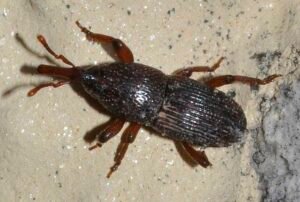 Stored product pests include a wide variety of insects, mites, and other arthropods that infest grains, flour, packaged food, dry goods, animal feed, herbs, and more. These pests thrive in warehouses, pantries, silos, mills, food production facilities, and even private homes—causing economic damage, food loss, and hygiene risks.
Unlike Agricultural & Outdoor Pests, which attack crops and living plants outdoors, Stored Product Pests affect food products after harvest, during transportation, storage, and shelf life. While some may come from fields, their main damage occurs post-harvest.
Scope of This Section
In this category, we explore pests that:
-
Infest dry stored products such as cereals, pasta, flour, spices, nuts, legumes, animal feed
-
Spread through processing chains, packaging systems, or bulk storage
-
Can survive in low-moisture environments for months
-
Lead to contamination, food recalls, and export barriers
-
Are subject to quarantine regulations in many countries
What You’ll Learn Here
In this section, you’ll find articles and guides that explain:
-
How to recognize common stored product pests by signs, life stages, and damage
-
The biology, behavior, and survival strategies of pantry pests
-
Where and how these pests infest products — and how they spread
-
Effective control strategies for homes, pantries, warehouses, and commercial facilities
-
IPM-based and regulation-compliant pest management practices
Quarantine and Regulatory Context
Some stored product pests are considered regulated quarantine pests, such as the Khapra beetle (Trogoderma granarium), due to their potential to affect international trade, food safety, and national food reserves. When dealing with such species, strict legal frameworks apply.
How It Relates to Agricultural Pests
While this section focuses on post-harvest and storage stages, many stored product pests originally come from agricultural settings. For example, grain beetles, flour moths, or rice weevils may originate from infested fields, poor harvest practices, or residue in storage systems.
To understand pest transitions from field to storage, visit our section on Agricultural & Outdoor Pests
Other Pests and Knowledge Hubs
Urban & Indoor Pests
Wood destroying Pests
Wildlife and Vertebrate Pests
Tools and Quizzes