Varroa Destructor Life Cycle and Damage to Bee Colonies
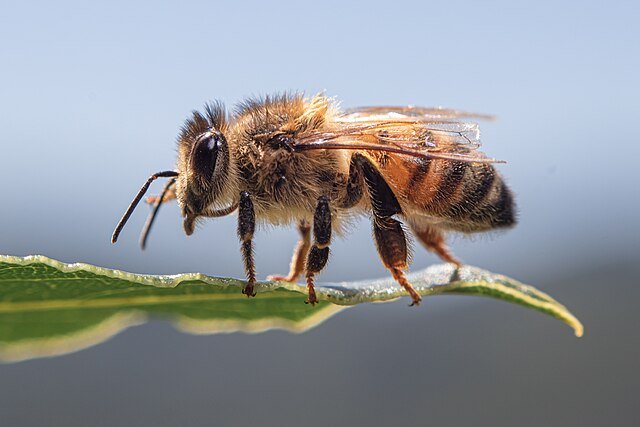
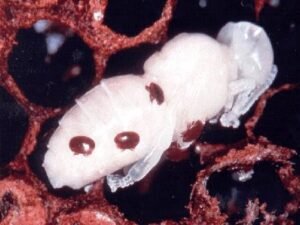 The varroa mite (Varroa destructor) is widely considered the most destructive parasite affecting honey bee colonies worldwide. This tiny external mite attacks the European honey bee (Apis mellifera) and feeds on developing bees inside the hive.
In practical beekeeping, I have seen colonies that looked strong in spring but collapsed by late summer because of varroa infestation. This is why most modern beekeeping programs focus heavily on varroa monitoring and control.
Varroa mites weaken bees directly and also spread dangerous viruses that damage the colony. Without management, most colonies eventually die.
Today, beekeepers around the world—from Europe and the United States to Asia and Australia—treat varroa mites as the primary threat to honey bee health.
Other hive pests can also appear in weakened colonies, including Small Hive Beetle (Aethina tumida), Greater Wax Moth (Galleria mellonella), Lesser Wax Moth (Achroia grisella), and Tropilaelaps mites (Tropilaelaps clareae).
Understanding the life cycle of varroa mites is the first step in controlling them.
Identification
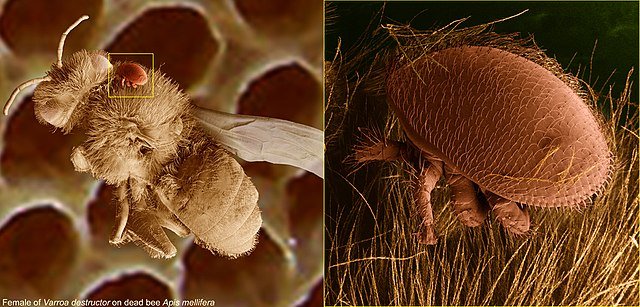
The Varroa destructor mite is relatively small but visible to the naked eye.
Key characteristics include:
-
Size: about 1–1.7 mm wide
-
Color: reddish-brown
-
Shape: flat oval body
-
Legs: eight legs located near the front of the body
Many beekeepers describe them as looking like tiny brown sesame seeds attached to bees.
Varroa mites often hide:
-
between abdominal segments
-
under the thorax
-
inside capped brood cells
Because they hide well, colonies may have thousands of mites before the beekeeper notices a problem.
Sometimes varroa mites can be confused with other organisms found in hives, including:
-
Bee louse (Braula coeca)
-
Tropilaelaps mites
-
harmless pollen mites
Correct identification is important before applying control measures.
Biology and Ecology
The biology of Varroa destructor is closely linked to the life cycle of honey bees.
The mite has two main phases:
1. Phoretic phase
During this phase the mite attaches to an adult bee and travels through the hive.
The mite feeds on the bee’s fat body tissue, which plays a key role in immunity and metabolism.
Adult bees act as transportation hosts, allowing the mites to move around the colony and even between colonies.
2. Reproductive phase
The reproductive stage occurs inside capped brood cells.
The cycle usually follows these steps:
-
A fertilized female mite enters a brood cell just before it is capped.
-
The cell is sealed by worker bees.
-
The mite begins feeding on the developing pupa.
-
About 60 hours after capping, the female lays her first egg.
-
The first egg becomes a male mite.
-
Female eggs are laid about every 30 hours.
-
The young mites mate inside the cell.
-
When the adult bee emerges, the mother mite and mature daughters leave the cell.
Only fertilized female mites survive outside the cell and repeat the cycle.
Mites strongly prefer drone brood, because drones remain capped longer. This allows the mite to produce more offspring compared with worker brood.
Phoretic Phase vs Reproductive Phase
The life cycle of Varroa destructor consists of two main stages: the phoretic phase and the reproductive phase.
During the phoretic phase, adult female mites attach to adult honey bees. They hide between the abdominal segments or under the thorax where they feed on the bee’s fat body tissue. In this stage the mite uses the bee mainly as transportation and may remain on adult bees for several days or even weeks.
The reproductive phase begins when a mature female mite enters a brood cell containing a developing larva just before the cell is capped by worker bees. Once the cell is sealed, the mite begins laying eggs and reproducing. This stage is where the mite population grows rapidly because new female mites are produced.
Understanding these two phases is important for beekeepers because many treatment strategies target mites during the phoretic phase, when they are exposed on adult bees.
Why Drone Brood Increases Varroa Populations
Varroa mites show a strong preference for drone brood over worker brood. The main reason is the longer development time of drones.
Worker bees develop from egg to adult in about 21 days, while drones take about 24 days. This extra time allows the mite to produce more offspring inside the brood cell. On average, mites can produce about 1–1.5 mature daughters in worker brood, but 2–2.6 daughters in drone brood.
Because of this difference, colonies that produce large amounts of drone brood often experience faster varroa population growth. Many integrated pest management strategies take advantage of this behavior by using drone brood trapping, where drone comb is removed before the mites can complete their reproductive cycle.
Global Distribution
The varroa mite originally parasitized the Asian honey bee (Apis cerana). In this host species, the parasite causes relatively little damage because the bees evolved defensive behaviors.
However, when varroa mites moved to Apis mellifera, the Western honey bee had no natural defenses.
The spread of varroa mites began in Asia during the mid-20th century and quickly expanded through international bee trade.
Today, varroa mites are present in:
-
Europe
-
North America
-
South America
-
Asia
-
Africa
-
New Zealand
Even Australia, which remained free of varroa mites for decades, detected the pest recently and now manages it rather than trying to eliminate it.
Transmission Between Colonies
Varroa mites spread between colonies mainly through bee movement. Adult female mites attach to worker bees during the phoretic phase and travel with them while they forage. When bees visit the same flowers, mites can transfer from one bee to another. Another common route of transmission is drifting bees, especially drones, which often enter neighboring hives.
Robbing behavior is also a major factor. When a weak colony collapses due to heavy varroa infestation, nearby bees may rob the honey stores. During this process, mites quickly attach to the robbing bees and are transported back to new colonies. Beekeeping practices can also contribute to spread if contaminated equipment or brood frames are moved between apiaries without inspection.
Because of these mechanisms, varroa mites can spread rapidly across large areas, which is why coordinated monitoring between neighboring beekeepers is important.
Risks and Damage to Bee Colonies
Varroa mites harm bee colonies in several different ways.
1. Direct parasitism
Mites feed on the developing bee pupa and adult bees.
This results in:
-
smaller bees
-
weakened immune systems
-
reduced lifespan
2. Virus transmission
Varroa mites act as vectors for several viruses including:
-
Deformed Wing Virus
-
Acute Bee Paralysis Virus
-
Kashmir Bee Virus
-
Israeli Acute Paralysis Virus
-
Sacbrood Virus
These viruses often cause severe colony decline.
3. Deformed wing disease
One of the most common symptoms of varroa infestation is deformed wing virus, where emerging bees have twisted wings and cannot fly.
4. Reduced colony productivity
Infested colonies often show:
-
poor brood pattern
-
lower honey production
-
reduced population growth
5. Parasitic Mite Syndrome
Heavy infestations cause a condition known as Parasitic Mite Syndrome (PMS).
Symptoms include:
-
irregular brood pattern
-
dying larvae
-
rapid population decline
6. Colony collapse
Without treatment, mite populations grow rapidly and eventually cause the colony to collapse.
7. Economic impact
Varroa mites cost the global beekeeping industry millions of dollars each year due to colony losses and treatment expenses.
8. Environmental consequences
When bee colonies collapse, pollination services decline. This can affect fruit crops, vegetables, and many wild plants.
Signs of Infestation
Varroa infestations can be difficult to detect early.
Common warning signs include:
-
visible mites on adult bees
-
mites visible on drone pupae
-
deformed wings in young bees
-
irregular brood pattern
-
declining adult bee population
-
sudden colony collapse in late summer
In many cases the colony may appear healthy one week and be severely weakened shortly afterward.
Control and Prevention Methods
Successful varroa management requires regular monitoring and integrated pest management.
Common detection methods include:
Sugar shake method
Bees are coated with powdered sugar and shaken to dislodge mites.
Alcohol wash method
A sample of bees is washed in alcohol to count mites. This method is more accurate but kills the sampled bees.
Sticky board monitoring
A sticky board placed under the hive collects mites that fall naturally from the colony.
Monitoring helps determine when treatment is necessary.
Preventive measures include:
-
regular hive inspections
-
maintaining strong colonies
-
avoiding movement of contaminated equipment
-
monitoring drone brood
Advanced and Professional Approaches
Professional beekeepers often use Integrated Pest Management (IPM) strategies to control varroa mites.
These include a combination of methods.
Mechanical methods
-
drone brood removal
-
screened bottom boards
-
brood interruption
Biological and genetic methods
Some bee strains show partial resistance to varroa mites, including:
-
Russian honey bees
-
Varroa Sensitive Hygiene (VSH) bees
Chemical treatments
When mite populations exceed safe levels, treatments may include:
-
formic acid
-
oxalic acid
-
thymol-based treatments
-
amitraz products
Chemical treatments must always follow legal label instructions to avoid contamination of honey or harm to bees.
What Is the Life Cycle of Varroa Destructor?
The Varroa destructor life cycle begins when a fertilized female mite enters a brood cell containing a honey bee larva shortly before the cell is capped. Once the cell is sealed, the mite starts feeding on the developing pupa and lays eggs.
The first egg develops into a male mite, while the following eggs become females. These offspring mature and mate inside the cell. When the young bee emerges, the mother mite and fertilized daughters leave the cell and attach to adult bees.
From there they enter the phoretic phase, travel on adult bees for several days, and eventually invade another brood cell to repeat the reproductive cycle. Because this process can occur many times during the season, mite populations can increase rapidly inside a colony.
Cultural and Historical Context
Varroa mites became a major beekeeping problem during the second half of the twentieth century. Before their global spread, bee diseases existed but rarely caused large-scale colony losses.
Today, modern beekeeping assumes that varroa management is a permanent part of colony care, similar to disease management in livestock farming.
FAQ
What is Varroa destructor?
Varroa destructor is a parasitic mite that attacks honey bees and reproduces inside brood cells.
Why are varroa mites dangerous?
They weaken bees directly and spread viruses that damage entire colonies.
How do varroa mites spread?
They spread through drifting bees, robbing behavior, swarms, and movement of contaminated equipment.
Why do mites prefer drone brood?
Drone brood remains capped longer, allowing mites to produce more offspring.
Can a colony survive without treatment?
In most regions untreated colonies eventually collapse due to increasing mite populations.
What is the best way to detect varroa mites?
Common monitoring methods include alcohol wash tests, sugar shake tests, and sticky board counts.
When should beekeepers treat varroa mites?
Treatment is recommended when mite levels exceed the accepted threshold based on monitoring results.
Learn more about Agricultural and outdoor pests
Final Thoughts
The varroa mite (Varroa destructor) changed modern beekeeping more than any other pest in the last century. Today, almost every beekeeper—from hobbyists with two hives to commercial operators with thousands—must monitor and manage varroa populations regularly.
In practical field work, the most important lesson is simple: monitoring is more important than treatment alone. Colonies that are checked regularly with methods like alcohol wash or sugar shake usually survive and remain productive. Colonies that are not monitored often collapse suddenly, especially in late summer when mite populations increase rapidly.
Understanding the life cycle of varroa mites is critical. Because mites reproduce inside brood cells, treatments and management strategies must target the periods when mites are most vulnerable. Many successful beekeepers now use Integrated Pest Management (IPM) strategies that combine monitoring, mechanical methods, resistant bee strains, and carefully selected treatments.
It is also important to remember that varroa mites rarely act alone. Weak colonies often become vulnerable to other hive pests such as Small Hive Beetle (Aethina tumida), Greater Wax Moth (Galleria mellonella), or Lesser Wax Moth (Achroia grisella). Keeping strong colonies and practicing good hive hygiene remains one of the best preventive strategies.
Modern beekeeping is therefore not only about producing honey. It is also about managing colony health, understanding parasites, and protecting pollinators that support agriculture worldwide.
Disclaimer
This article is for informational purposes only. Pest control laws and approved chemicals vary by country. For best results and legal safety, we strongly recommend contacting a licensed pest control professional in your local area. Always make sure that the pest control technician is properly certified or licensed, depending on your country’s regulations. It’s important to confirm that they only use approved products and apply them exactly as instructed on the product label. In most places in Europe, the UK, or the USA, following label directions is not just best practice—it’s the law.
Author
Nasos Iliopoulos, BSc Agronomist & Certified Pest Control Expert
Scientific Director – Advance Services (Athens, Greece)
Licensed Pest Control Business – Ministry of Rural Development & Food (GR)
References
-
NIH - Varroa destructor: how does it harm Apis mellifera honey bees and what can be done about it?
-
Mississippi State University Extension. Managing Varroa Mites in Honey Bee Colonies.