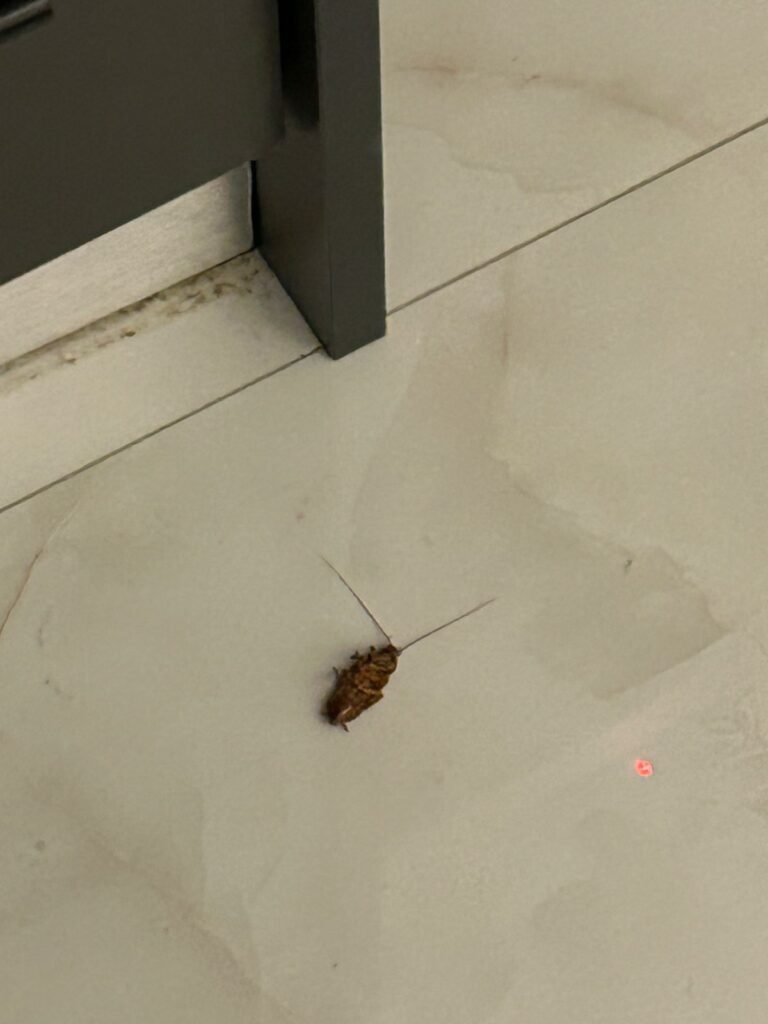
What Causes Cockroaches in a Clean House
You scrub the counters every night. You mop the floors twice a week. You never leave dirty dishes in the sink. Then one evening you flip on the kitchen light, and a cockroach darts across the counter. It feels personal.
The truth is, cleanliness alone does not keep cockroaches away. These insects need three things: water, warmth, and shelter. A spotless home can still offer all three. Below are nine real reasons cockroaches show up in clean houses — and exactly what to do about each one.
1. Moisture and Water Sources
Cockroaches can survive weeks without food, but only about a week without water. A slow drip under the bathroom sink or condensation on cold water pipes is enough to sustain a colony. Even a wet sponge left on the counter overnight is an open invitation.
Fix it: Repair every leaky faucet and pipe. Wipe down sinks and tubs before bed. Wrap cold water pipes with foam insulation to stop condensation. Empty pet water bowls at night.
2. Cracks and Gaps in the Foundation or Walls
German cockroaches only need a gap of about 1.6 millimeters to squeeze through. That is roughly the thickness of a dime. Gaps around pipes, electrical conduits, and dryer vents are common entry points.
Fix it: Walk the perimeter of your home with a tube of DAP Dynaflex 230 or similar exterior caulk. Seal every crack you find. Use steel wool or copper mesh packed behind expanding foam for larger gaps around pipes.
3. Cardboard Boxes and Paper Bags
Cockroaches love cardboard. They eat the glue, hide between the layers, and lay egg cases in the folds. Bringing grocery bags or shipping boxes inside brings roaches along for the ride.
Fix it: Break down cardboard boxes outside and recycle them immediately. Switch to reusable shopping bags. Store items in plastic bins with tight lids instead of cardboard.
4. Shared Walls With Neighbors
If you live in an apartment, townhouse, or duplex, your neighbor’s roach problem is your roach problem. Cockroaches travel through shared plumbing chases, electrical conduits, and gaps between adjoining walls.
Fix it: Seal around every pipe and wire that enters your unit. Apply a thin bead of Advion Cockroach Gel Bait in small pea-sized dots inside wall outlets, behind the refrigerator, and under the sink. Pair it with Gentrol Point Source IGR stations to stop nymphs from maturing.
5. Drains and Sewer Connections
American cockroaches — the big reddish-brown ones — often live in municipal sewer lines. They crawl up through floor drains, shower drains, and even toilet pipes, especially at night when water is not flowing.
Fix it: Install drain covers with fine mesh screens. Pour water down rarely used drains once a week to keep the P-trap full. In serious cases, apply InVict Gold Cockroach Gel around drain openings.
6. Pet Food Left Out Overnight
A bowl of dry kibble sitting on the kitchen floor is a buffet for roaches. Even clean homes often leave pet food out 24/7 without thinking about it.
Fix it: Feed pets on a schedule. Pick up food bowls within 20 minutes of feeding. Store dry pet food in airtight containers like Vittles Vault or similar sealed bins.
7. Hidden Grease and Food Residue
Your kitchen may look clean, but cockroaches find food you cannot see. Grease buildup behind the stove, crumbs under the toaster, and sticky residue beneath the refrigerator are all roach magnets.
Fix it: Pull out the stove and refrigerator at least twice a year. Clean the grease tray under the burners. Wipe down the wall behind the stove with a degreaser like Zep Heavy-Duty Citrus Degreaser. Vacuum under and behind all appliances.
8. Warm, Dark Spaces
Cockroaches are cold-blooded and seek warmth. The motor area underneath your refrigerator, the back of your dishwasher, and the inside of your cable box all produce heat. These spots also happen to be dark and undisturbed — ideal roach harborage.
Fix it: Apply a light dusting of CimeXa or boric acid powder in voids behind appliances. Use a hand duster to puff small amounts into cracks. A little goes a long way — if you can see the powder, you used too much.
9. Hitchhiking on Grocery Bags and Deliveries
Cockroaches regularly infest grocery stores, warehouses, and delivery trucks. A single egg case (called an ootheca) glued to a cereal box or bag of potatoes can hatch 30 to 50 nymphs inside your pantry.
Fix it: Inspect grocery bags before bringing them inside. Transfer dry goods into sealed glass or plastic containers. Check the seams and folds of any packaging before putting it in the pantry.
Learn more about Agricultural & Garden Pests
How to Set Up a Basic Roach Prevention Plan
Even in a clean house, a layered approach works best. Follow these steps in order:
- Inspect: Use a flashlight and sticky traps (like Catchmaster 72MB glue boards) to find where roaches are active. Place traps under sinks, behind the fridge, and near drains.
- Seal: Caulk every crack and gap you find inside and outside your home. Focus on kitchens and bathrooms first.
- Bait: Apply Advion Cockroach Gel Bait in small dots near harborage areas. Replace bait every 2 weeks until activity stops.
- Regulate: Place Gentrol Point Source IGR stations in cabinets and behind appliances. These stop young roaches from reproducing.
- Dust: Lightly dust boric acid or CimeXa into wall voids, under appliances, and inside electrical outlets (with the power off).
- Monitor: Check sticky traps weekly. If you catch more than a few roaches per trap per week, step up your efforts or call a professional.
Signs You Have a Bigger Problem Than You Think
Seeing one cockroach does not always mean an infestation. But certain signs point to a larger colony hiding nearby:
- Roaches spotted during the day (they are nocturnal, so daytime activity means overcrowding)
- Small dark droppings that look like ground pepper along cabinet edges
- A musty, oily smell in cabinets or under the sink
- Shed skins or egg cases in drawers or behind appliances
- Multiple roaches caught on a single sticky trap overnight
If you notice two or more of these signs, the colony is established and growing. DIY methods may slow it down, but professional treatment is usually needed to eliminate it completely.
Get Professional Pest Control Help
If the infestation is severe or keeps coming back, it is time to call a professional. AdvancePestX offers fast, effective pest control treatments for homes and businesses. Contact us today and get rid of the problem for good.
Frequently Asked Questions
Can cockroaches live in a perfectly clean house?
Yes. Cockroaches need water, warmth, and shelter more than food. A clean house can still provide all three through leaky pipes, wall cracks, and warm appliance motors. Cleanliness helps but does not guarantee a roach-free home.
Does seeing one cockroach mean there are more?
Usually, yes. Cockroaches are social insects that live in groups. Studies from Purdue University show that for every roach you see, there could be 10 or more hiding nearby. Set out sticky traps to gauge the real population.
What attracts cockroaches the most?
Water is the number one attractant. After that, they seek warmth and dark hiding spots. Food sources like grease, crumbs, pet food, and even cardboard glue also draw them in. Fix leaks first for the biggest impact.
Are cockroaches in a clean house a health risk?
Yes. Cockroaches carry bacteria like Salmonella and E. coli on their bodies. Their droppings and shed skins contain allergens that trigger asthma, especially in children. The EPA lists cockroach allergens as a major indoor asthma trigger.
How fast do cockroaches multiply indoors?
A single German cockroach female produces about 30 to 40 eggs per ootheca and can create 4 to 8 oothecae in her lifetime. That means one female can be responsible for 200 or more offspring. Populations can explode in just a few months without intervention.
Will keeping the lights on keep cockroaches away?
Not really. While cockroaches prefer darkness, they will come out in the light if they are hungry, thirsty, or if the population is overcrowded. Lights alone are not a reliable deterrent. Focus on sealing entry points and removing water sources instead.
Do ultrasonic pest repellers work on cockroaches?
No. Multiple university studies, including research from Kansas State University, found that ultrasonic devices have no significant effect on cockroach behavior. Save your money and invest in gel bait and IGR stations instead.
For more on indoor pests like this one, see our full Urban & Indoor Pests guide.