How to Prevent Pantry Beetles From Coming Back
You cleaned out your pantry. You threw away infested food. But a few weeks later, the tiny beetles are back. This is one of the most frustrating pest problems homeowners face. Pantry beetles are persistent, and a half-hearted cleanup almost never works.
The good news is that you can prevent pantry beetles from coming back permanently. It takes a combination of deep cleaning, proper food storage, monitoring, and targeted treatments. This guide walks you through every step.
Know What You Are Dealing With
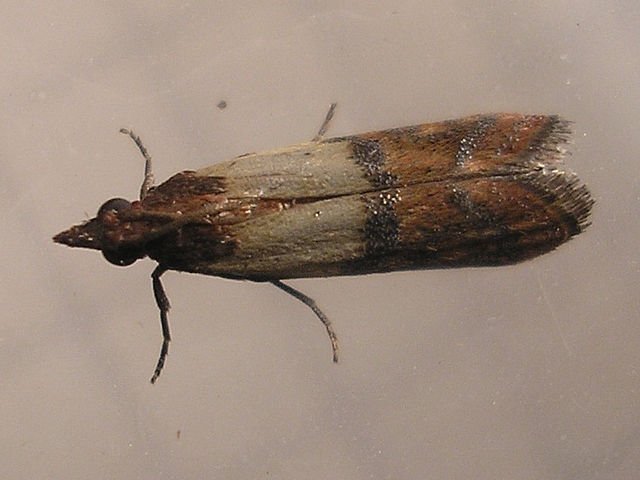
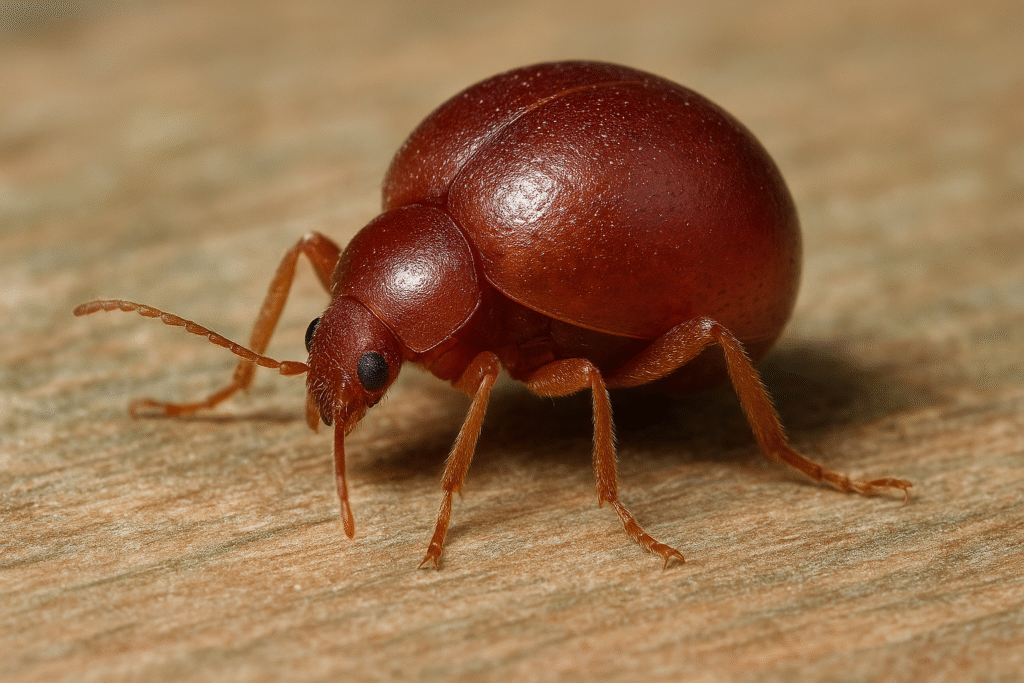
Pantry beetles include several species. The most common are cigarette beetles, drugstore beetles, sawtoothed grain beetles, and confused flour beetles. They are small — usually 2 to 4 mm long — and brown or reddish-brown.
These beetles lay eggs directly in dry food products. Larvae feed inside flour, cereal, spices, pet food, dried fruit, and even dried herbs. A single female can lay 50 to 100 eggs. One overlooked bag of old rice can restart the entire infestation.
Step 1: Do a Complete Pantry Cleanout
Remove every item from your pantry. Check every package, even sealed ones. Beetles can chew through thin plastic bags and cardboard boxes. Look for live beetles, tiny larvae, webbing, or fine dust at the bottom of containers.
- Throw away any open packages of flour, cereal, pasta, rice, spices, dried fruit, nuts, and pet food.
- Inspect sealed items carefully. If you see holes or any sign of damage, discard them.
- Check non-food items too. Pantry beetles can infest dried flowers, birdseed, and even some medications.
Do not try to save questionable food. The cost of a bag of flour is far less than the cost of a recurring infestation.
Step 2: Deep Clean Every Surface
Vacuum every shelf, corner, crack, and crevice in your pantry. Use a crevice attachment to reach shelf bracket holes and the gap where shelves meet walls. Beetles and larvae hide in these tiny spaces.
After vacuuming, wipe all surfaces with a solution of warm water and white vinegar (50/50 mix). This removes food residue and any remaining eggs. Let shelves dry completely before restocking.
Empty and clean your vacuum canister or throw away the bag immediately after. Do this outside your home. Larvae inside the vacuum can survive and crawl back out.
Step 3: Apply a Targeted Residual Treatment
Cleaning alone may not reach every egg or larva hidden in cracks. A food-safe residual insecticide adds a critical layer of protection. Apply it after cleaning and before restocking.
- Alpine WSG (Dinotefuran) — Mix 0.5 grams per liter of water. Spray lightly into cracks, crevices, and shelf edges. It is odorless and leaves minimal residue.
- Gentrol Point Source IGR — Place one disc per pantry shelf. This insect growth regulator prevents larvae from developing into adults. It lasts up to 90 days per disc.
- CimeXa Insecticidal Dust — Apply a very thin layer in wall voids, behind baseboards, and in shelf bracket holes using a hand duster. It kills beetles that walk through it.
Always read and follow the label directions. Keep treatments away from direct food contact surfaces where you place unwrapped food.
Step 4: Store Food Properly
This is the single most important long-term step to prevent pantry beetles from coming back. Beetles cannot chew through hard, airtight containers.
- Transfer all dry goods into glass jars, thick plastic containers with screw-on lids, or metal canisters. Brands like OXO Good Grips and Rubbermaid Brilliance work well.
- Do not rely on zip-lock bags or thin plastic wrap. Beetles can chew through them.
- Store pet food and birdseed in sealed bins with locking lids.
- Buy smaller quantities of infrequently used items like specialty flour or dried herbs. Use them up before they sit for months.
When you bring new dry goods home from the store, freeze them at -18°C (0°F) for 4 to 7 days before transferring them to your pantry. This kills any eggs or larvae that may already be in the packaging. This is especially important for bulk grains, flour, and spices.
Step 5: Set Up Monitoring Traps
Pheromone traps catch adult pantry beetles and alert you to a new problem before it becomes a full infestation. Place 1 to 2 traps inside your pantry.
- Pro-Pest Pantry Beetle Traps — These use a food-oil lure that attracts multiple beetle species. Replace them every 60 to 90 days.
- Trécé Storgard IMM+4 Traps — These are professional-grade traps that target stored product beetles and moths.
Check traps weekly. If you catch more than 1 or 2 beetles per week, inspect your stored food again immediately. Early detection is the key to prevention.
Step 6: Maintain Good Pantry Habits
Prevention is not a one-time job. Build these habits to keep beetles out permanently.
- Wipe pantry shelves monthly. Crumbs and food dust attract beetles.
- Rotate stock. Use older items first. Do not let food sit for more than 3 to 4 months.
- Keep your pantry cool and dry. Beetles thrive in warm, humid environments. Aim for temperatures below 21°C (70°F) if possible.
- Seal cracks and gaps around your pantry with caulk. This limits entry points from wall voids.
- Inspect grocery items before putting them in your pantry. Look for damaged packaging or tiny holes.
Why Do Pantry Beetles Keep Coming Back?
The most common reason is a missed food source. One forgotten bag of cornmeal behind a shelf, an old box of herbal tea, or an overlooked spice container is enough. Beetles can also reinfest from wall voids where old food has accumulated over years.
Another reason is bringing infested products home from the store. Many pantry beetle infestations start at food processing or packaging facilities. Freezing new groceries breaks this cycle.
Get Professional Pest Control Help
If the infestation is severe or keeps coming back, it is time to call a professional. AdvancePestX offers fast, effective pest control treatments for homes and businesses. Contact us today and get rid of the problem for good.
Frequently Asked Questions
What attracts pantry beetles to my kitchen?
Pantry beetles are attracted to dry, starchy, and protein-rich foods. Flour, cereal, rice, spices, dried fruit, nuts, pasta, and pet food are their main targets. Even small crumbs or food dust on shelves can draw them in.
Can pantry beetles get into sealed containers?
Beetles can chew through thin plastic bags, cardboard, and paper packaging. However, they cannot penetrate thick glass jars, metal canisters, or hard plastic containers with tight-fitting lids. Always transfer dry goods into sturdy, airtight containers.
Does freezing food really kill pantry beetle eggs?
Yes. Freezing food at -18°C (0°F) for 4 to 7 days kills all life stages of pantry beetles, including eggs, larvae, pupae, and adults. This is a proven and chemical-free method recommended by university extension services.
How long does it take to fully get rid of pantry beetles?
With a thorough cleanout, proper storage, and targeted treatments, you can eliminate an active infestation within 2 to 4 weeks. Monitoring with pheromone traps for at least 3 months after treatment confirms the problem is truly gone.
Are pantry beetles harmful if I accidentally eat them?
Pantry beetles are not known to transmit diseases. Accidentally eating a beetle or larva is unlikely to make you sick. However, heavily infested food may taste bad, and some people may experience mild digestive discomfort or allergic reactions.
Do bay leaves repel pantry beetles?
Bay leaves are a popular home remedy, but scientific evidence is limited. Some studies suggest they may have mild repellent effects on certain stored product insects. However, bay leaves alone will not prevent or stop an infestation. Proper cleaning and sealed containers are far more effective.
Learn more about store product pests
References
- University of California Agriculture and Natural Resources – Stored Product Pests in the Home. https://ipm.ucanr.edu/PMG/PESTNOTES/pn7452.html
- Purdue University Extension – Stored Product Pests. https://extension.entm.purdue.edu/publications/E-67/E-67.html
- NPMA (National Pest Management Association) – Pantry Pests Prevention and Control. https://www.pestworld.org/pest-guide/pantry-pests/
- USDA Agricultural Research Service – Integrated Pest Management of Stored Products. https://www.ars.usda.gov
- Campbell, J.F. and Hagstrum, D.W. – Patch exploitation by Tribolium castaneum: movement patterns, boundary conditions, and nest distribution. Journal of Stored Products Research, 2002.
Disclaimer
This article is for informational purposes only. Food safety (HACCP) and pest control requirements vary by country, authority, and type of food business. For legal compliance and audit readiness, always consult a qualified HACCP professional and a licensed pest control operator in your area.
All pest control measures must use approved products and be applied strictly according to the product label, as required by law in most jurisdictions (including the EU, UK, and USA). Improper use of pesticides, lack of documentation, or absence of a structured pest monitoring program may lead to non-compliance, fines, or business closure.
A compliant system must include documented procedures, monitoring records, corrective actions, and verification. Pest control is not optional—it is a core prerequisite program under HACCP and must be properly implemented, recorded, and reviewed.
Author Bio
Nasos Iliopoulos: https://advancepestx.com/nasos-iliopoulos/
BSc Agronomist & Certified Pest Control Expert
Scientific Director – Advance Services (Athens, Greece)
Licensed Pest Control Business – Ministry of Rural Development & Food (GR)