How to Get Rid of Pantry Beetles in Your Kitchen
You open your flour bag and see tiny dark beetles crawling inside. That sick feeling in your stomach is normal. Pantry beetles are one of the most common stored product pests, and they can infest an entire kitchen in weeks. The good news is you can get rid of pantry beetles with a clear plan and the right products.
This guide walks you through identifying, eliminating, and preventing pantry beetles step by step. No guesswork. Just proven methods that work.
What Are Pantry Beetles?
Pantry beetles are a group of small beetles that feed on dried food products. The most common species you will find in kitchens include:
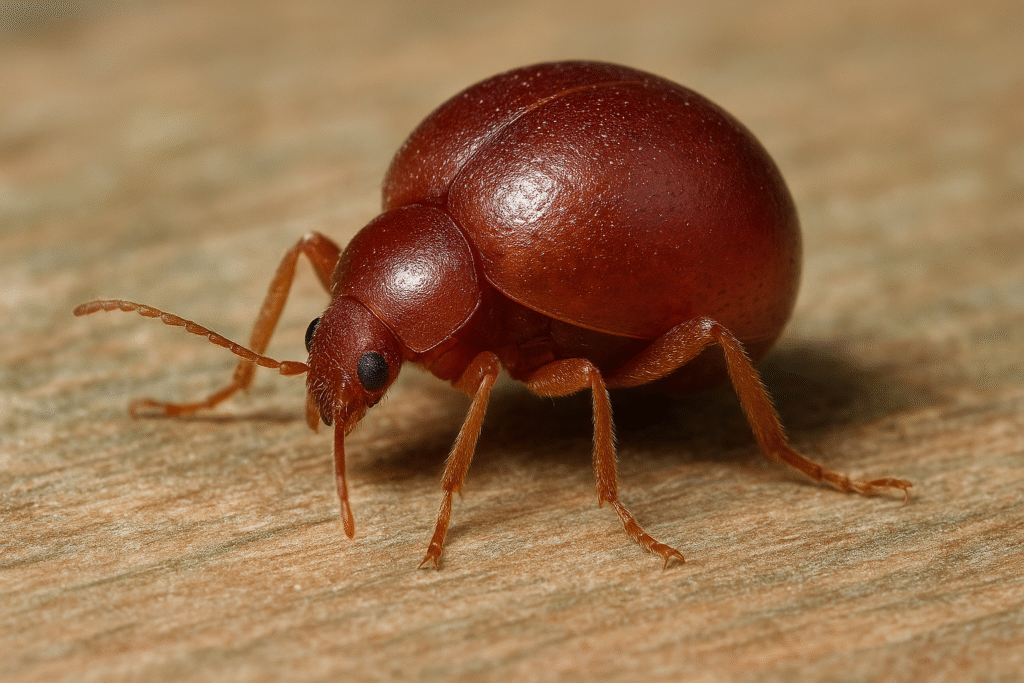
- Drugstore beetles (Stegobium paniceum) – reddish-brown, about 2-3 mm long, found in spices, flour, and even pet food.
- Cigarette beetles (Lasioderma serricorne) – similar size and color to drugstore beetles, love dried herbs and cereals.
- Sawtoothed grain beetles (Oryzaephilus surinamensis) – flat, brown, about 2.5-3 mm long, with six tooth-like projections on each side of the thorax.
- Red flour beetles (Tribolium castaneum) – reddish-brown, about 3-4 mm, commonly found in flour and grain products.
- Confused flour beetles (Tribolium confusum) – nearly identical to red flour beetles, thrives in temperate climates.
All of these beetles lay eggs directly in or near food. Their larvae feed inside the food, which means an infestation can grow silently before you notice the adult beetles.
Signs of a Pantry Beetle Infestation
Catching the problem early makes elimination much easier. Look for these warning signs:
- Small brown or reddish beetles crawling on shelves or inside food packages.
- Tiny holes in food packaging, especially cardboard boxes and thin plastic bags.
- Fine powdery dust or frass at the bottom of food containers.
- Small white or cream-colored larvae inside flour, cereal, or spice containers.
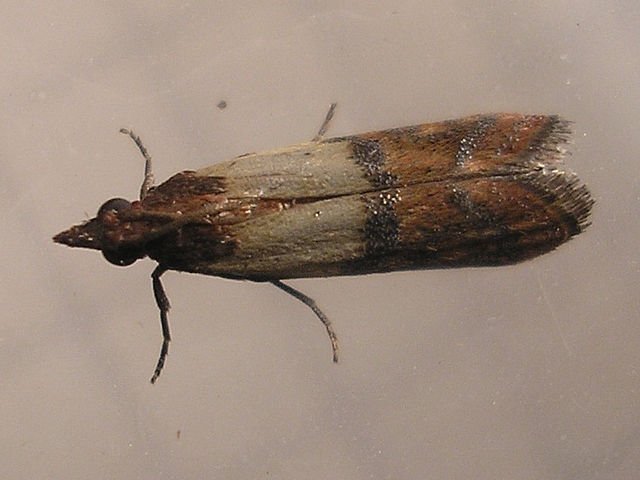
- Webbing or clumping inside dry goods (sometimes confused with pantry moth activity).
Step-by-Step Guide to Get Rid of Pantry Beetles
Step 1: Inspect Every Item in Your Pantry
Pull everything out of your pantry and cabinets. Check every single item, even sealed ones. Pantry beetles can chew through thin plastic, paper, and cardboard. Pay close attention to flour, rice, pasta, cereal, spices, dried fruit, nuts, pet food, and birdseed.
If you see any beetles, larvae, webbing, or damage, throw the item away immediately. Place it in a sealed plastic bag before putting it in your outdoor trash can.
Step 2: Deep Clean the Pantry
Vacuum every shelf, corner, crack, and crevice in your pantry. Use the crevice attachment on your vacuum. Beetle eggs are tiny and nearly invisible, so be thorough. After vacuuming, wipe down all surfaces with a solution of warm water and white vinegar (50/50 mix).
Do not use bleach on food-contact surfaces. Vinegar is safe, effective, and removes food residue that attracts pests. Let the shelves dry completely before restocking.
Step 3: Apply a Targeted Insecticide
After cleaning, apply a crack-and-crevice treatment to shelf joints, corners, and edges where beetles hide and lay eggs. Use a product labeled for stored product pests. Good options include:
- Alpine PT Aerosol – a non-repellent insecticide with dinotefuran. Safe for use in cracks and crevices around food storage areas. Apply in a thin line along shelf edges and joints.
- Gentrol Point Source IGR – an insect growth regulator (hydroprene) that prevents larvae from developing into adults. Place one disc per shelf or every 75 square feet. Effective for up to 90 days.
- CimeXa Insecticidal Dust – a silica-based dust you can apply to wall voids and deep cracks with a hand duster. It dehydrates beetles on contact.
Wait for the insecticide to dry before placing food back on the shelves. Always read and follow the product label directions.
Step 4: Set Pheromone Traps
Pheromone traps help monitor and reduce the beetle population. Pro-Pest Pantry Beetle Traps and Trécé Storgard traps use species-specific lures to attract adult beetles. Place two to three traps inside your pantry and check them weekly.
These traps will not eliminate an infestation on their own. They are a monitoring tool. If you keep catching beetles after two to three weeks of treatment, you may have missed a food source.
Step 5: Store Food Properly
Transfer all dry goods into airtight, hard-sided containers. Glass jars with rubber-sealed lids and thick plastic containers with locking lids both work well. Popular options include OXO Good Grips POP containers and simple Mason jars.
Never leave bags of flour, rice, or cereal in their original packaging once opened. Pantry beetles can chew through paper and thin plastic in hours.
How to Prevent Pantry Beetles from Coming Back
Elimination is only half the battle. Follow these habits to keep your kitchen beetle-free:
- Freeze new dry goods – place flour, rice, oats, and grains in the freezer for 72 hours after buying them. This kills any eggs or larvae already present.
- Rotate stock – use older items first. Do not let dry goods sit for months untouched.
- Clean spills fast – crumbs and food dust attract beetles. Wipe shelves weekly.
- Check expiration dates – expired products sitting in the back of the pantry are a beetle magnet.
- Seal entry points – caulk gaps around shelves, baseboards, and where pipes enter walls.
- Keep pheromone traps active – replace traps every 60 to 90 days as a long-term monitoring strategy.
Get Professional Pest Control Help
If the infestation is severe or keeps coming back, it is time to call a professional. AdvancePestX offers fast, effective pest control treatments for homes and businesses. Contact us today and get rid of the problem for good.
Frequently Asked Questions
What causes pantry beetles in the kitchen?
Pantry beetles usually enter your kitchen inside infested food products bought from stores or warehouses. Eggs and larvae can already be inside flour, grains, spices, or pet food before you bring them home. They can also fly in through open windows or doors.
Are pantry beetles harmful to humans?
Pantry beetles are not known to bite or transmit disease. However, eating food contaminated with beetles, larvae, or their waste can cause mild stomach upset. It is best to throw away any infested food immediately.
How long does it take to get rid of pantry beetles?
With thorough cleaning, proper food storage, and targeted insecticide treatments, most infestations clear up within two to four weeks. Severe infestations may take six to eight weeks, especially if hidden food sources are missed during the initial cleanout.
Can pantry beetles spread to other rooms?
Yes. Adult pantry beetles can fly and crawl to other areas of your home. They may infest pet food in a laundry room, birdseed in a garage, or dried flowers in a living room. Always inspect all rooms if you find beetles in the kitchen.
Do bay leaves repel pantry beetles?
Bay leaves are often suggested as a natural repellent, but scientific evidence is limited. Some studies show minor repellent effects against certain stored product pests, but bay leaves alone will not eliminate an active infestation. Use them as a supplement, not a solution.
Should I throw away all food in my pantry?
You do not need to throw away everything. Inspect each item carefully. Discard anything that shows signs of beetles, larvae, webbing, holes, or damage. Items in factory-sealed glass or heavy plastic containers with no signs of entry are usually safe. When in doubt, throw it out.
References
- University of California IPM – Stored Product Pests: Pantry Beetles. https://ipm.ucanr.edu/PMG/PESTNOTES/pn7452.html
- NPMA (National Pest Management Association) – Pantry Pests Identification and Prevention. https://www.pestworld.org/pest-guide/pantry-pests/
- Purdue University Extension – Stored Product Pests in the Home. https://extension.entm.purdue.edu/publications/E-60/E-60.html
- EFSA (European Food Safety Authority) – Scientific Opinion on Risk Assessment of Stored Product Pests. https://www.efsa.europa.eu
- CDC – Food Safety and Pest Contamination Guidelines. https://www.cdc.gov/foodsafety/
Disclaimer
This article is for informational purposes only. Food safety (HACCP) and pest control requirements vary by country, authority, and type of food business. For legal compliance and audit readiness, always consult a qualified HACCP professional and a licensed pest control operator in your area.
All pest control measures must use approved products and be applied strictly according to the product label, as required by law in most jurisdictions (including the EU, UK, and USA). Improper use of pesticides, lack of documentation, or absence of a structured pest monitoring program may lead to non-compliance, fines, or business closure.
A compliant system must include documented procedures, monitoring records, corrective actions, and verification. Pest control is not optional—it is a core prerequisite program under HACCP and must be properly implemented, recorded, and reviewed.
Author Bio
Nasos Iliopoulos: https://advancepestx.com/nasos-iliopoulos/
BSc Agronomist & Certified Pest Control Expert
Scientific Director – Advance Services (Athens, Greece)
Licensed Pest Control Business – Ministry of Rural Development & Food (GR)