
How to Get Rid of Roaches in Drains
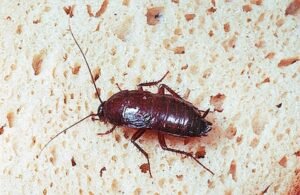 American cockroach (Periplaneta americana), often called the drain roach in many homes and food businesses, is one of the most common cockroach species found around floor drains, sewer connections, kitchens, basements, and utility rooms and one of the most anoying urban pests. Many people assume roaches are “coming from the drain itself,” but in reality, drains usually act as access points because they provide moisture, food residue, warmth, and shelter.
When homeowners search for how to get rid of roaches in drains, they usually notice insects at night around sinks, floor drains, bathrooms, or restaurant kitchen drains. This is especially common in older buildings, restaurants, bakeries, cafés, and food preparation areas where sanitation and moisture control are critical under HACCP requirements.[1]
Drain infestations should never be ignored because cockroaches are mechanical carriers of bacteria and can contaminate surfaces, utensils, and food-contact areas.[2]
What Is a Drain Roach?
A drain roach is not a separate species. It usually refers to cockroaches such as the American cockroach, Oriental cockroach, or sometimes German cockroach found near drains and sewer-connected areas.
They use drain systems because these areas provide humidity, organic debris, grease buildup, and hidden entry points. In practice, most infestations start from cracks around drain pipes, broken seals, floor drain traps, or sewer access—not from water flowing upward from the drain itself.
Identification
The American cockroach is large, reddish-brown, and usually 3–5 cm long. It moves fast and is commonly seen at night. The Oriental cockroach is darker, almost black, and prefers damp basements and floor drains.
If you see small light-brown roaches in kitchens, you may also be dealing with German cockroaches, which require a different treatment strategy. See our guide on German cockroaches for comparison.
Biology & Ecology
Cockroaches need three things: water, food, and shelter. Drains often provide all three.
They feed on grease, food particles, soap residues, biofilm, and decaying organic matter. They hide behind drain covers, inside pipe voids, under sinks, inside grease traps, and in wall voids near plumbing lines.
They are mainly nocturnal and reproduce quickly when moisture remains constant. A warm kitchen drain in a restaurant can support continuous cockroach activity if sanitation is weak.
Global Distribution
Drain-associated cockroach infestations are common worldwide, especially in warm climates, urban areas, restaurants, apartment buildings, hospitals, and food processing sites.
In Mediterranean regions like Greece, warm temperatures and older plumbing systems often increase the problem. Food businesses must maintain documented pest prevention programs under food hygiene regulations.[1] EFET inspections also focus heavily on pest evidence around drains and food preparation zones. :contentReference[oaicite:0]{index=0}
Risks / Damage
Roaches around drains create serious hygiene risks.
- Food contamination
- Spread of bacteria like Salmonella and E. coli
- Bad odors from hidden infestations
- Negative audit findings in HACCP inspections
- Customer complaints in restaurants and cafés
- Allergy triggers from droppings and shed skins
A common mistake is spraying insecticide directly into the drain and assuming the problem is solved. This usually kills only visible insects and ignores the real harborages behind walls, under floors, and around broken pipe seals.
Signs of Infestation
The most common signs of roaches in drains include:
- Roaches appearing at night near sinks or floor drains
- Droppings that look like black pepper or coffee grounds
- Musty oily odor
- Egg cases (oothecae)
- Shed skins near drain covers
- Activity around grease traps or dishwasher drains
Most homeowners notice activity late at night after kitchen lights are turned off and wonder how do cockroaches get in my home.
Control & Prevention Methods
1. Deep Drain Cleaning
Remove organic buildup inside drains using mechanical cleaning, enzyme cleaners, and professional sanitation methods. Grease and biofilm are major food sources.
2. Fix Moisture Problems
Repair leaks under sinks, pipe condensation, broken seals, and standing water near drains. Moisture control is often more important than insecticide.
3. Seal Entry Points
Seal cracks around drain pipes, broken tiles, wall gaps, and drain edges. Roaches often enter around plumbing voids rather than through the pipe itself.
4. Use Gel Baits
Professional gel baits placed near harborages work much better than drain sprays. They target hidden populations.
5. Improve Sanitation
Especially in restaurants, grease control and nightly cleaning are essential. Food residues under equipment often support infestations more than the drain itself.
See also our guide on ants in kitchens, since moisture and sanitation problems often attract both pests.
Advanced / Professional Approaches
What most people don’t realize is that severe drain infestations often indicate a structural issue, not just a pest issue. Broken floor drain traps, sewer gas leaks, damaged pipe collars, and wall void infestations are common hidden causes.
Professional pest control includes:
- Inspection with monitoring traps
- Residual treatment around drain zones
- Gel bait rotation
- IGR (Insect Growth Regulators)
- Drain foam applications where legally approved
- Exclusion work and sanitation recommendations
In practice, technicians often find the main infestation behind commercial dishwashers or under grease-heavy prep stations—not inside the drain itself. The drain is simply where the customer notices activity first. Treating only the visible area leads to repeated failures.
Food businesses must also maintain pest records, monitoring logs, and corrective actions as part of a compliant HACCP system. Pest control is a prerequisite program, not a one-time treatment.
Cultural or Historical Context
Cockroaches have been associated with poor sanitation for centuries, especially in food storage areas, ships, bakeries, and urban sewer systems. Modern pest management focuses less on spraying and more on integrated pest management (IPM), combining sanitation, exclusion, monitoring, and targeted treatment.
FAQ Section
Can roaches really come up through drains?
Yes, but more commonly they enter around drain structures, cracked seals, and plumbing voids rather than swimming up through water-filled traps.
What is the best treatment for roaches in drains?
The best treatment combines drain cleaning, moisture control, sealing entry points, and professional gel baiting—not just spraying insecticide.
Does bleach kill drain roaches?
Bleach may kill a few exposed insects but does not eliminate hidden nests. It is not a reliable long-term solution.
Why do I only see them at night?
Cockroaches are mainly nocturnal. Heavy daytime sightings often suggest a larger infestation.
Are roaches in drains dangerous for restaurants?
Yes. They create serious HACCP and food safety risks, can lead to audit failures, and damage customer trust.
How often should drains be professionally inspected?
For restaurants and food businesses, regular monthly pest inspections are common, with higher frequency if activity is detected.
Final Thoughts
If you want to know how to get rid of roaches in drains, focus first on sanitation, moisture, and structural access points—not just insecticide. Drains are usually symptoms, not the root cause.
Fast action prevents bigger infestations, especially in kitchens and food businesses where compliance matters. A professional inspection often saves time, money, and repeated treatment failures.
Disclaimer
This article is for informational purposes only. Food safety (HACCP) and pest control requirements vary by country, authority, and type of food business. For legal compliance and audit readiness, always consult a qualified HACCP professional and a licensed pest control operator in your area.
All pest control measures must use approved products and be applied strictly according to the product label, as required by law in most jurisdictions (including the EU, UK, and USA). Improper use of pesticides, lack of documentation, or absence of a structured pest monitoring program may lead to non-compliance, fines, or business closure.
A compliant system must include documented procedures, monitoring records, corrective actions, and verification. Pest control is not optional—it is a core prerequisite program under HACCP and must be properly implemented, recorded, and reviewed.
Author Bio
BSc Agronomist & Certified Pest Control Expert
Scientific Director – Advance Services (Athens, Greece)
Licensed Pest Control Business – Ministry of Rural Development & Food (GR)
References
- European Union – Regulation (EC) No 852/2004 on the hygiene of foodstuffs
- World Health Organization – Public Health Significance of Urban Pests and Food Safety Guidance
- United States Environmental Protection Agency – Cockroaches and Control Guidance
- Purdue University Extension – Cockroach Biology and Management