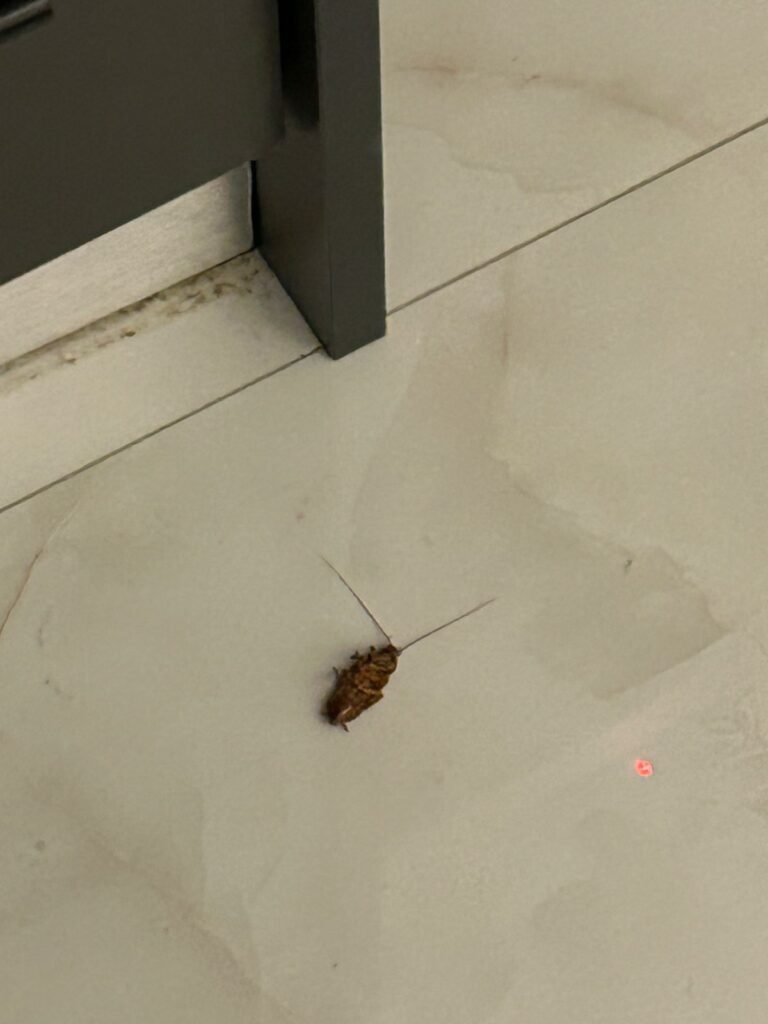
Bed Bug Bites
What Do Bed Bug Bites Look Like?
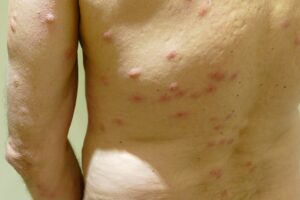 A bed bug bite looks a lot like a mosquito bite, but it is often more intense and many times appears in a line. The bites may form a straight line or a zigzag pattern. If you see two or more bites in a row, bed bugs should be one of the first things you think about, although nothing is 100% certain.
The bites are usually red, slightly swollen, and sometimes look like they have a small amount of fluid inside. They often cause itching and a burning feeling. You may also notice a tiny mark in the middle where the bug bit you.
Some people show almost no skin reaction, while others develop a much stronger reaction.
Where Do Bed Bugs Bite?
When bed bugs first move into a bed, the first bites are often on the legs and the back of the neck. This is common, but not always the case.
Bed bugs prefer exposed skin, but they can also bite under loose pajamas or clothing. Mosquitoes and biting midges usually do not bite through covered areas.
The face, neck, arms, and legs are usually the first places to check because they are closest to the pillow and are often uncovered during sleep.
When Do Bed Bugs Bite?
Bed bugs usually bite while you are sleeping. They wait until you are resting.
When a bed bug climbs onto you, you normally will not notice it. If you are awake, you might only feel it moving through your body hair. You usually do not feel the bite itself because the bug injects substances that reduce the feeling of pain.
Many people think they do not have bed bugs because they were bitten one night and then did not get any new bites for several days. This can happen because a single bed bug may feed only about once a week. However, if there are many bed bugs, it is very unlikely that you will not get new bites almost every day.
Where Do Bed Bugs Hide?
We have already shown what bed bugs look like in another article. Many people describe them as looking like a dark brown lentil.
If you are looking for bed bugs, start with the mattress, especially the seams and piping. Then check the headboard, the bed slats, the places where the slats rest on the frame, and the bedside tables.
If the infestation has grown, also check the electrical outlet behind the bed, picture frames, and then slowly move farther away from the bed.
Bed bugs stay as close as possible to where people sleep so they can easily come out, feed, and return to their hiding place.
They do not wander around for no reason. They leave their hiding place only to feed and then go back.
How to Tell Bed Bug Bites from Other Bites
Many people confuse bed bug bites with flea bites.
Fleas usually bite the lower legs, up to around the knees. They are very active, and you will often see one or more tiny insects jumping around.
You will almost never see a bed bug because it hides very well.
Bed bug bites can also be confused with mosquito or midge bites. However, mosquito and midge bites are usually farther apart, often more than one or two inches from each other.
Sometimes you may also notice small blood spots on your bed sheets. This can be another sign of bed bugs.
Where Can You Find Bed Bugs?
Bed bugs can be found in hotels, whether they are cheap or expensive. They can also be found in hospitals, military buildings, prisons, migrant centers, old apartment buildings, and large residential buildings.
What Should You Do?
If you find bed bugs, call a professional pest control company as soon as possible.
Store-bought sprays are usually too weak. In many cases, they simply drive the bed bugs into other rooms or even nearby apartments, making the infestation much harder to eliminate.
A trained pest control professional follows proven treatment methods, reduces the risk of spreading the infestation, and can solve the problem much faster and more effectively.
While waiting for the professional, vacuum carefully around the bed without moving furniture around. Put the vacuum bag into another plastic bag and throw it away immediately.
Wash all nearby fabrics at temperatures above 60°C (140°F). The professional treatment, however, is what will solve the problem.
Health Effects
Bed bug bites usually do not cause serious health problems. What they do cause is stress, discomfort, worry, and frustration. Many people think about them all the time, lose sleep, and find that their daily life is affected until the infestation is gone.
Once the infestation has been eliminated, the bites usually disappear within about one week to ten days and normally do not leave permanent marks.
If the infestation is still active, you will continue getting new bites.
Try not to scratch the bites because scratching can lead to a skin infection. Wash the area with soap and water. You may use a moisturizing cream, a mild over-the-counter hydrocortisone cream, or an antihistamine if needed. If the reaction is severe or does not improve, see a doctor.
There have been documented cases of severe allergic reactions, including anaphylaxis. Anyone who develops serious symptoms should seek medical attention immediately.
Sometimes even the thought of having bed bugs can cause physical symptoms, especially in people who have had a bad experience with them before. Stress and anxiety alone can affect the body.
For more on indoor pests like this one, see our full Urban & Indoor Pests guide.
Disclaimer
This article is for informational purposes only. Food safety (HACCP) and pest control requirements vary by country, authority, and type of food business. For legal compliance and audit readiness, always consult a qualified HACCP professional and a licensed pest control operator in your area.
All pest control measures must use approved products and be applied strictly according to the product label, as required by law in most jurisdictions (including the EU, UK, and USA). Improper use of pesticides, lack of documentation, or absence of a structured pest monitoring program may lead to non-compliance, fines, or business closure.
A compliant system must include documented procedures, monitoring records, corrective actions, and verification. Pest control is not optional—it is a core prerequisite program under HACCP and must be properly implemented, recorded, and reviewed.
Author Bio
BSc Agronomist & Certified Pest Control Expert
Scientific Director – Advance Services (Athens, Greece)
Licensed Pest Control Business – Ministry of Rural Development & Food (GR)
References
1. Bed Bugs (Hemiptera, Cimicidae): A Global Challenge for Public Health and Control Management