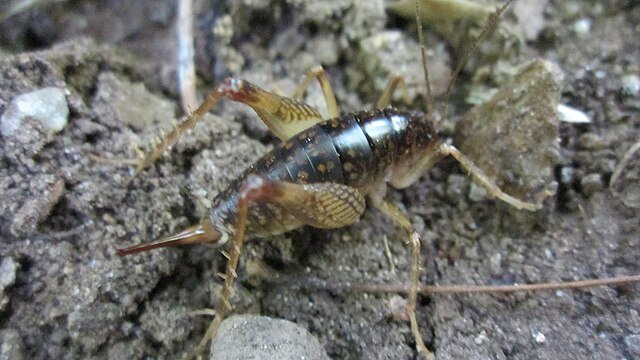
Squash Bug
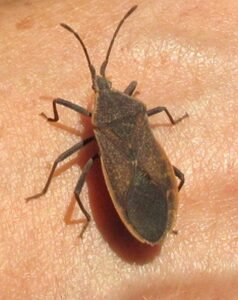
The Squash Bug (Anasa tristis) is one of the most destructive insect pests of squash, pumpkins, gourds, and other cucurbit crops. Unlike chewing insects that create visible holes in leaves, squash bugs feed by piercing plant tissues and sucking sap, causing leaves to wilt, discolor, and eventually die. Heavy infestations can weaken entire plants and significantly reduce fruit production, especially when young seedlings are attacked.
Most gardeners first notice sudden leaf wilting and assume their plants need more water. However, if squash bugs are present, irrigation alone will not solve the problem. Early identification and integrated pest management are essential for maintaining healthy cucurbit crops.
What is the Squash Bug?
The Squash Bug is a true bug belonging to the family Coreidae. Native to North America, it primarily attacks members of the cucurbit family, including squash, pumpkins, zucchini, cucumbers, and gourds. Both nymphs and adults feed on plant sap using specialized piercing-sucking mouthparts, making them serious pests in vegetable gardens and commercial production.
Identification
Adult squash bugs measure approximately 14–16 mm long and have a flattened, shield-shaped body. Their color ranges from dark brown to grayish-black, with orange or light brown markings along the edges of the abdomen.
Eggs are bronze to reddish-brown, oval-shaped, and laid in neat clusters on the underside of leaves, usually between leaf veins.
Newly hatched nymphs are pale green before gradually becoming gray as they mature through several developmental stages. Unlike adults, young nymphs lack fully developed wings but are highly active feeders.
Biology & Ecology
Adult squash bugs overwinter beneath plant debris, stones, wood piles, and other protected locations. During late spring they emerge and begin searching for young cucurbit plants.
Females deposit clusters of eggs on leaf undersides throughout the growing season. After hatching, nymphs immediately begin feeding on leaves and stems. Several weeks later they develop into winged adults capable of continuing reproduction.
In most regions one generation develops each year, although warmer climates may support additional generations.
In practice, technicians often find the highest populations hiding beneath large squash leaves during the hottest part of the day. Careful inspection of leaf undersides frequently reveals eggs before serious damage becomes visible.
Global Distribution
The Squash Bug is widespread throughout North America and is considered one of the most important pests of cucurbit crops in the United States and southern Canada. Similar sap-feeding bugs occur in other parts of the world, although Anasa tristis remains primarily associated with North American agriculture.
The insect spreads naturally through flight and by the movement of infested plant material between growing areas.
Risks and Damage
Squash bugs remove plant sap while injecting toxic saliva into plant tissues. This feeding causes yellow spotting, browning, wilting, and eventually collapse of affected leaves.
Severe infestations reduce photosynthesis, weaken vines, decrease fruit quality, and may kill young plants. Feeding wounds also increase plant stress, making crops more susceptible to environmental conditions and secondary diseases.
Although squash bugs are not major disease vectors like some other agricultural pests, heavy populations alone are capable of causing significant economic losses.
Signs of Squash Bug Infestation
- Bronze egg clusters on leaf undersides.
- Gray nymphs feeding in groups.
- Brown or gray adult bugs hiding beneath leaves.
- Yellow spots that later turn brown.
- Sudden leaf wilting despite adequate soil moisture.
- Crispy, dry foliage.
- Reduced fruit production.
A common mistake is removing wilted leaves without inspecting nearby foliage for eggs. Unless egg clusters and young nymphs are eliminated, new generations quickly replace the insects that remain hidden on the plant.
Control and Prevention Methods
Regular Monitoring
Inspect leaf undersides weekly from early spring onward, paying particular attention to egg masses and young nymphs.
Hand Removal
Egg clusters, nymphs, and adults can be manually removed in small gardens before populations become established.
Crop Rotation
Rotating cucurbit crops helps reduce overwintering populations and lowers pest pressure in future growing seasons.
Field Sanitation
Removing crop residues immediately after harvest eliminates overwintering shelters and reduces adult survival during winter.
Physical Barriers
Floating row covers provide excellent protection during the early stages of crop development. Covers should be removed once flowering begins to allow pollination.
Chemical Control
Where necessary, registered insecticides may be applied according to local regulations and product labels. Young nymphs are generally much easier to control than mature adults.
See our guide on Cucumber Beetles for another important cucurbit pest that often occurs in the same vegetable gardens and commercial fields.
Advanced Professional Approaches
Professional integrated pest management programs rely on regular scouting, economic thresholds, sanitation, crop rotation, biological conservation, and carefully timed insecticide applications. Early intervention is considerably more effective than attempting to control large adult populations late in the season.
What most people don't realize is that squash bugs become increasingly difficult to eliminate as they mature. Targeting freshly hatched nymphs usually provides better long-term control while reducing pesticide applications.
Frequently Asked Questions
What plants do squash bugs attack?
They primarily attack squash, pumpkins, zucchini, gourds, and other cucurbit crops. Cucumbers and melons may also be affected.
Are squash bugs harmful to humans?
No. They do not bite people or spread diseases to humans.
Can squash bugs kill plants?
Yes. Heavy infestations can kill seedlings and severely weaken mature plants, leading to reduced yields.
Where do squash bugs lay their eggs?
Eggs are deposited in clusters on the underside of leaves, usually between major veins.
What is the best treatment for squash bugs?
Early monitoring, hand removal of eggs, crop sanitation, row covers, and targeted insecticide applications when necessary provide the most reliable control.
How do squash bugs survive winter?
Adults overwinter beneath crop debris, wood piles, rocks, and other protected locations before emerging the following spring.
Final Thoughts
Squash bugs remain one of the most challenging pests of cucurbit production because both adults and nymphs feed continuously throughout the growing season. Regular inspection, early egg removal, proper sanitation, and integrated pest management offer the most effective long-term protection for both home gardeners and commercial growers. Detecting infestations before widespread wilting occurs is the key to maintaining healthy, productive plants.
Learn more about Agricultural & Outdoor Pests
Disclaimer
This article is for informational purposes only. Food safety (HACCP) and pest control requirements vary by country, authority, and type of food business. For legal compliance and audit readiness, always consult a qualified HACCP professional and a licensed pest control operator in your area.
All pest control measures must use approved products and be applied strictly according to the product label, as required by law in most jurisdictions (including the EU, UK, and USA). Improper use of pesticides, lack of documentation, or absence of a structured pest monitoring program may lead to non-compliance, fines, or business closure.
A compliant system must include documented procedures, monitoring records, corrective actions, and verification. Pest control is not optional—it is a core prerequisite program under HACCP and must be properly implemented, recorded, and reviewed.
Author Bio
BSc Agronomist & Certified Pest Control Expert
Scientific Director – Advance Services (Athens, Greece)
Licensed Pest Control Business – Ministry of Rural Development & Food (GR)