Honey Bees (Apis mellifera): Biology, Importance and Common Threats
Introduction
The honey bee (Apis mellifera) is one of the most important insects for agriculture and natural ecosystems. It plays a critical role in pollination, supporting crop production and biodiversity worldwide.
In practice, both farmers and beekeepers depend heavily on healthy bee populations. However, modern honey bee colonies face increasing pressure from environmental stress, diseases, and parasites.
Understanding the biology of honey bees and the challenges they face is the first step toward proper management and protection.
What is Apis mellifera?
The honey bee (Apis mellifera) is a social insect that lives in highly organized colonies. Each colony functions as a single biological unit.
A typical hive includes:
- A queen (responsible for reproduction)
- Worker bees (female, responsible for all tasks)
- Drones (male bees for mating)
Honey bees communicate, cooperate, and adapt in ways that make them extremely efficient—but also sensitive to stress factors.
Biology & Colony Structure
Honey bees operate through a complex social system.
Workers perform different roles depending on age:
- cleaning cells
- feeding larvae
- guarding the hive
- foraging for nectar and pollen
The colony depends on:
- brood production
- food storage
- environmental conditions
In practice, any disruption in this balance can quickly lead to colony decline.
Importance of Honey Bees
Honey bees are essential for:
- Pollination of crops (fruits, vegetables, nuts)
- Maintenance of biodiversity
- Honey and wax production
It is estimated that a significant percentage of global food production depends directly or indirectly on pollinators like honey bees.
Without them, agricultural systems would face serious challenges.
Global Distribution
Honey bees are found across the world and have adapted to many climates.
They are widely managed in:
- Europe
- North America
- Mediterranean regions
- Asia
Due to human activity and beekeeping practices, honey bees have been introduced far beyond their original range.
Common Threats to Honey Bees
Modern honey bee colonies face multiple threats. The most important include:
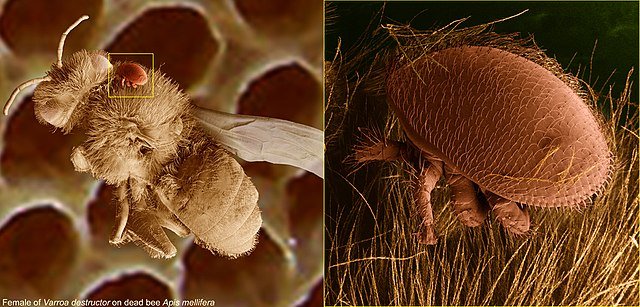
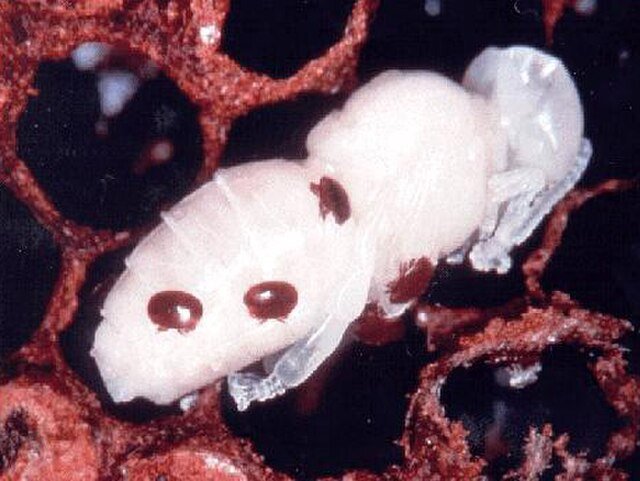
- Parasites such as Varroa destructor
- Invasive species like Small Hive Beetle (Aethina tumida)
- Pests such as Wax Moths (Galleria mellonella, Achroia grisella)
- Pathogens like Nosema and Deformed Wing Virus (DWV)
These factors often act together, weakening colonies over time.
👉 For a detailed breakdown, see our guide on bee pests and diseases.
Signs of Colony Stress
Beekeepers and farmers should monitor for early signs of problems.
Common indicators include:
- Reduced bee activity
- Irregular brood pattern
- Weak population
- Dead bees near the hive
- Presence of parasites
In practice, early detection makes a huge difference in colony survival.
How Honey Bee Problems Spread
Many issues affecting honey bees spread through:
- drifting bees between colonies
- contaminated equipment
- movement of hives
- environmental exposure
This is why proper hive management and monitoring are essential.
Basic Prevention and Management
Maintaining healthy honey bee colonies requires:
- Regular inspections
- Good hive hygiene
- Strong colony populations
- Monitoring for parasites and diseases
Prevention is always more effective than reacting after a problem becomes severe.
Advanced / Professional Management
Professional beekeepers and pest control specialists use:
- Integrated pest management (IPM)
- Scheduled monitoring programs
- Targeted treatments when necessary
In practice, consistent management is the key to long-term colony health.
Cultural and Agricultural Importance
Honey bees have been part of human agriculture for thousands of years. From ancient civilizations to modern farming, they remain essential.
Their role today is even more critical due to increasing global food demand.
FAQ Section
What is Apis mellifera?
Apis mellifera is the scientific name of the honey bee, a social insect responsible for pollination and honey production.
Why are honey bees important?
They are essential pollinators that support agriculture and biodiversity.
What threatens honey bees the most?
The main threats include parasites like Varroa destructor, diseases, and environmental stress.
How can I protect honey bees?
Regular monitoring, proper hive management, and early intervention are key.
Do honey bees live worldwide?
Yes, they are found globally due to natural spread and human activity.
Can a colony recover from stress?
Yes, if problems are identified early and managed correctly.
Final Thoughts
Honey bees are not just another insect—they are a cornerstone of modern agriculture and natural ecosystems.
Understanding their biology and the pressures they face allows for better protection and sustainable management.
In practice, strong colonies come from consistent care, early detection of problems, and informed decision-making.
Learn more about agricultural and outdoor pests
Disclaimer
This article is for informational purposes only. Pest control laws and approved chemicals vary by country. For best results and legal safety, we strongly recommend contacting a licensed pest control professional in your local area. Always make sure that the pest control technician is properly certified or licensed, depending on your country’s regulations. It’s important to confirm that they only use approved products and apply them exactly as instructed on the product label. In most places in Europe, the UK, or the USA, following label directions is not just best practice—it’s the law.
Author Bio
Nasos Iliopoulos:
BSc Agronomist & Certified Pest Control Expert
Scientific Director – Advance Services (Athens, Greece)
Licensed Pest Control Business – Ministry of Rural Development & Food (GR)
References
FAO – Pollinators and food production
European Commission – Bees and pollination