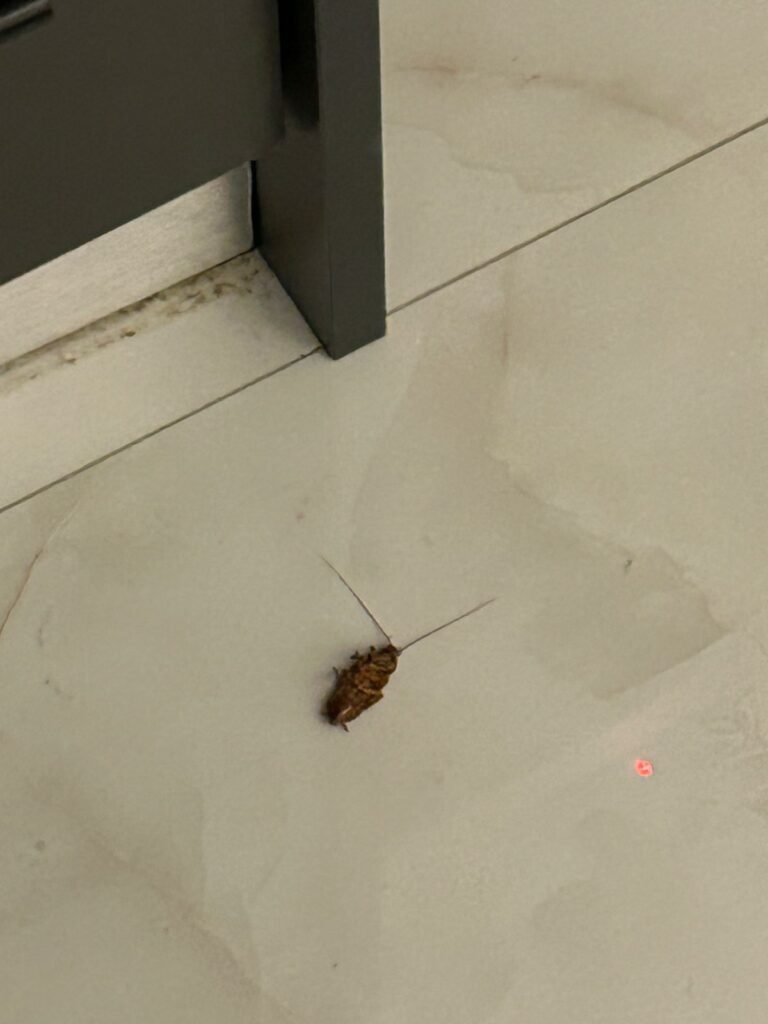
Booklice Bite (Liposcelis bostrychophila and related species): Myths, Facts, and Control
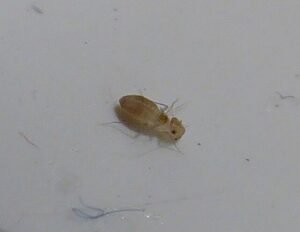 The phrase booklice bite is common search queries made by people who suddenly discover tiny insects in their homes, particularly in beds, bookshelves, or food storage areas. Despite the alarming name, booklice (order Psocoptera, family Liposcelididae) are not true lice, and they do not behave like bed bugs or fleas. The most widespread species indoors is Liposcelis bostrychophila.
This insect does not actually bite humans. Instead, it feeds on microscopic fungi, mold spores, and organic debris. Still, infestations in the bedroom or near food storage can cause confusion, anxiety, and even allergic reactions in sensitive individuals. Understanding their biology, habits, and prevention measures is essential to deal with these pests effectively.
Identification
Correct identification is the first step to solving any “mystery bug” problem. Booklice are often confused with bed bugs, mites, or lice, leading to unnecessary stress.
-
Size: Very small, typically 1–2 mm in length.
-
Color: Pale gray, whitish, or light brown. Almost translucent when young.
-
Body shape: Soft-bodied, with a large head relative to their body.
-
Wings: Most domestic species are wingless, but some related psocids in nature may have wings.
-
Movement: Quick crawlers, often seen near humid areas or on surfaces with mold.
Key difference from bed bugs: Bed bugs (Cimex lectularius) are flat, reddish-brown, and blood-feeding. Booklice are lighter, much smaller, and never bite humans.
Biology and Ecology
Booklice thrive in environments with high humidity and organic material to feed on.
-
Diet: Mold spores, fungi, starch-based materials (book bindings, wallpaper paste, cereal dust), and dead insects.
-
Habitat: Kitchens, bathrooms, bedrooms, and anywhere moisture accumulates. They are commonly found in books, behind wallpaper, in stored grain, and occasionally in mattresses if humidity is high.
-
Reproduction: Many populations of Liposcelis bostrychophila reproduce parthenogenetically (females reproduce without males). This allows infestations to grow quickly.
-
Lifespan: Adults live up to 2 months under favorable conditions, producing multiple generations each year.
-
Humidity requirement: They need relative humidity above 50–60% to survive. In dry conditions, they quickly desiccate and die.
Global Distribution
Booklice are cosmopolitan pests, found worldwide.
-
North America: Common in older houses, libraries, and food storage facilities.
-
Europe: Frequently reported in damp apartments and warehouses.
-
Asia: A major pest in grain silos and rice storage.
-
Africa & South America: Found in humid regions, especially in stored food commodities.
-
Australia: Regularly detected in both urban homes and rural farms.
Their global presence is linked to human structures providing the exact conditions they need—warmth, humidity, and organic material.
Risks and Damage
The term “booklice bite” is misleading because they cannot pierce human skin. Still, their presence is not harmless.
To Humans
-
No biting: They do not feed on blood, skin, or hair.
-
Allergies: Some people report skin irritation or allergic reactions, likely from inhaling their cast skins or droppings.
-
Psychological stress: Misidentification as bed bugs can cause anxiety and unnecessary treatments.
To Property
-
Books and paper: Feed on mold growing on old paper or bindings.
-
Food products: Infest flour, cereal, dried fruit, or powdered milk.
-
Wallpaper and furniture: Damage can occur when they feed on fungal growth in wallpaper paste or fabrics.
Signs of Infestation
Detecting booklice requires close observation:
-
Tiny, pale insects moving quickly on walls, shelves, or bedding.
-
Clusters in areas with moisture damage (bathroom corners, damp books).
-
Spoiled food products with crawling insects.
-
Increased presence during humid seasons, especially summer.
-
In severe cases, small black specks (droppings) may appear in books or storage areas.
Important note: Finding them in the bed usually means the mattress or the room is retaining moisture, not that the insects are feeding on humans.
Control Methods
1. Reduce Humidity
The single most effective measure.
-
Use dehumidifiers or air conditioning.
-
Ventilate rooms, especially bathrooms and kitchens.
-
Repair leaks and remove damp materials.
2. Cleaning and Sanitation
-
Vacuum regularly to remove booklice, eggs, and food sources.
-
Dispose of infested food products.
-
Wipe down surfaces with mild disinfectants to remove mold.
3. Physical and Environmental Control
-
Lower indoor humidity below 50%.
-
Store books, cereals, and fabrics in dry areas.
-
Sunlight exposure helps eliminate mold and booklice from small objects.
4. Chemical Control
Chemical treatments are rarely necessary and often not recommended indoors because booklice are more a moisture problem than an insect problem.
-
Residual insecticides (pyrethroids) may kill booklice but will not solve the root issue.
-
Desiccant dusts (like diatomaceous earth) can be used in cracks and crevices.
Advanced Approaches
For larger infestations, particularly in libraries or food warehouses:
-
Integrated Pest Management (IPM): Combining humidity control, cleaning, monitoring, and limited chemical use.
-
Heat treatment: Raising temperatures above 50°C can eliminate booklice and their eggs.
-
Hermetic storage: For grains and dry food, oxygen depletion or vacuum storage can prevent infestations.
-
Microbiological control: Research is ongoing into fungi that can reduce psocid populations.
Cultural and Historical Context
Booklice have been recorded since the early days of libraries and archives. Ancient texts reference “minute insects destroying scrolls,” likely psocids feeding on fungal growth. The name “booklice” comes from their habit of infesting damp books in old libraries.
In modern times, internet forums often confuse booklice with bed bugs, leading to widespread myths about “booklice bite”. This cultural confusion highlights the importance of accurate entomological knowledge for homeowners.
Frequently Asked Questions (FAQ)
1. Do booklice bite humans?
No. Booklice do not bite, sting, or suck blood.
2. Why do I find booklice in my bed?
They are attracted to humidity. If they appear in your bed, it suggests high moisture in the mattress or room.
3. Are booklice harmful to health?
They are not dangerous, but large infestations may trigger allergies or asthma-like symptoms.
4. Can booklice infest hair or skin?
No. Unlike lice or fleas, booklice cannot survive on the human body.
5. How do I get rid of booklice naturally?
Reduce humidity, clean mold, and increase ventilation. Diatomaceous earth and silica gel may also help.
6. Can booklice damage my house?
They don’t cause structural damage but may ruin books, food, or wallpaper.
7. What’s the difference between booklice and bed bugs?
Booklice are tiny, pale, and harmless to humans. Bed bugs are reddish, larger, and feed on blood.
For more on indoor pests like this one, see our full Urban & Indoor Pests guide.
Final Thoughts
The myth of the “booklice bite” persists mainly because of confusion with other pests such as bed bugs (Cimex lectularius) or mites. In reality, Liposcelis bostrychophila and other booklice species do not feed on humans and cannot pierce skin. Still, their presence indoors indicates a humidity and mold problem that must be addressed.
Effective management comes down to three essentials: reduce humidity, eliminate mold, and store food and books properly. In most households, chemical control is unnecessary. For libraries, archives, or food facilities, integrated pest management (IPM) with humidity control, cleaning, and environmental adjustments provides long-term results.
By understanding what booklice really are—and what they are not—homeowners can save themselves unnecessary stress, expenses, and treatments aimed at the wrong pests.
Disclaimer
This article is for informational purposes only. Pest control laws and approved chemicals vary by country. For best results and legal safety, we strongly recommend contacting a licensed pest control professional in your local area. Always make sure that the pest control technician is properly certified or licensed, depending on your country’s regulations. It’s important to confirm that they only use approved products and apply them exactly as instructed on the product label. In most places in Europe, the UK, or the USA, following label directions is not just best practice—it’s the law.
Author Bio
Nasos Iliopoulos, BSc Agronomist & Certified Pest Control Expert
Scientific Director – Advance Services (Athens, Greece)
Licensed Pest Control Business – Ministry of Rural Development & Food (GR)
References
- Penn Univeristy - Booklice