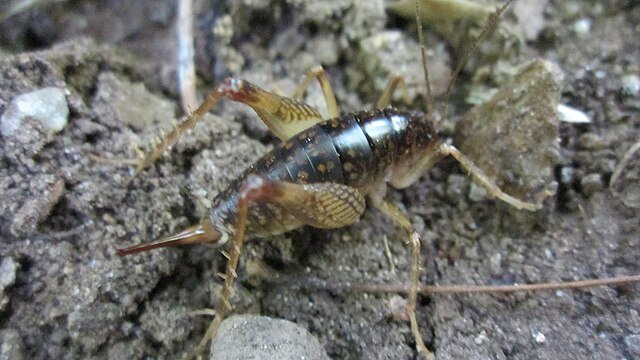
 Citrus Leafminer
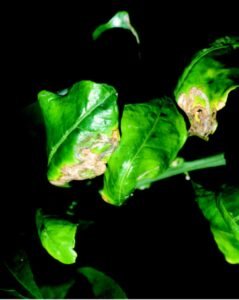 Citrus Leafminer
The Citrus Leafminer (Phyllocnistis citrella) is one of the most common pests affecting citrus trees worldwide. This tiny moth primarily attacks young flushes of growth, where its larvae tunnel just beneath the leaf surface, creating distinctive winding mines. While mature citrus trees usually tolerate moderate infestations, young trees and nursery plants can suffer reduced growth, delayed establishment, and increased susceptibility to diseases such as Citrus Canker.
Because the larvae remain protected inside leaves, successful management depends on early monitoring and integrated pest management (IPM) rather than routine insecticide applications.
What Is the Citrus Leafminer?
The Citrus Leafminer is a tiny moth belonging to the family Gracillariidae. Adult moths do not feed on leaves, but females lay eggs on newly emerging citrus foliage. After hatching, the larvae tunnel within the leaf tissue, feeding between the upper and lower leaf surfaces and producing characteristic serpentine mines.
Identification
Eggs
Eggs are extremely small, translucent, and usually deposited individually on the underside of young expanding leaves.
Larvae
Freshly hatched larvae are pale green to yellowish and remain inside the leaf throughout development. As they feed, they create winding silver-colored tunnels filled with a thin line of dark frass.
Pupae
Pupation occurs at the end of the leaf mine, where the larva folds the leaf margin to form a small protective chamber before emerging as an adult.
Adults
Adult Citrus Leafminers are tiny silver-white moths measuring approximately 2–3 mm long with narrow fringed wings and distinctive dark markings.
Biology & Ecology
The Citrus Leafminer develops rapidly under warm conditions and may complete numerous generations each year in tropical and subtropical climates.
Females lay eggs only on tender new growth. After hatching, larvae immediately enter the leaf and remain protected inside the mine until pupation. Because they are shielded within leaf tissue, older larvae are difficult to control using contact insecticides.
Young citrus trees producing continuous flushes of new growth are especially vulnerable to repeated infestations.
Global Distribution
Citrus Leafminer is distributed throughout Asia, Europe, Africa, Australia, the Mediterranean region, the Middle East, North America, South America, and many tropical citrus-producing regions. International trade in citrus plants has contributed to its worldwide spread.
Risks & Damage
Larval feeding distorts developing leaves, reducing their photosynthetic efficiency and slowing tree growth. Feeding wounds may also facilitate infection by Citrus Canker bacteria.
Common damage includes:
- Silvery serpentine leaf mines
- Curled or twisted leaves
- Distorted young shoots
- Reduced tree growth
- Premature leaf drop
- Greater susceptibility to Citrus Canker
In practice, growers often become concerned when nearly every new leaf shows mining damage. Fortunately, healthy mature citrus trees usually recover well, while young trees require closer monitoring because repeated attacks can slow their development.
Signs of Citrus Leafminer Infestation
Regular inspection of young flushes allows early detection.
- Winding silver-colored mines on young leaves
- Curled or rolled leaf margins
- Distorted new shoots
- Tiny pupal chambers along leaf edges
- Reduced growth of young citrus trees
A common mistake is spraying insecticides after leaves have fully expanded and larvae have completed development. By this stage, treatments provide little benefit because the insects are protected inside the leaf tissue.
Control & Prevention Methods
Monitoring
Inspect new flushes regularly during periods of active growth. Young expanding leaves are the preferred sites for egg laying.
Cultural Practices
- Maintain proper irrigation and fertilization.
- Avoid excessive nitrogen fertilization that stimulates continuous new growth.
- Prune only when necessary to avoid excessive flushing.
- Keep trees healthy to improve recovery.
Biological Control
Several parasitoid wasps, particularly Ageniaspis citricola, provide excellent natural control in many citrus-growing regions. Lady beetles and lacewings also contribute to reducing populations.
Chemical Control
When necessary, registered insecticides or horticultural oils should target newly emerging flushes before larvae become established inside the leaves. Applications should always follow local recommendations and product labels.
Advanced Professional Approaches
Commercial citrus growers rely on Integrated Pest Management (IPM) programs that combine monitoring, biological control, careful fertilization, selective insecticides, and protection of beneficial insects.
What most people don't realize is that severe leaf damage on mature citrus trees rarely causes significant yield losses by itself. The greater concern is protecting young trees and minimizing opportunities for Citrus Canker infection through damaged leaf tissue.
If you grow citrus, see our guide on Asian Citrus Psyllid, another important citrus pest that spreads citrus greening disease. You may also find our article on Citrus Scale Insects useful for managing sap-feeding pests.
FAQ
Which citrus trees are attacked by Citrus Leafminer?
Nearly all citrus species, including oranges, lemons, limes, mandarins, grapefruits, and ornamental citrus, may be affected.
Are mature citrus trees seriously damaged?
Mature healthy trees usually tolerate moderate infestations, while young trees are more vulnerable to growth reduction.
How do Citrus Leafminers spread?
Adult moths fly between citrus trees, while infested nursery plants may introduce the pest into new areas.
Can Citrus Leafminer spread diseases?
Although it does not directly transmit diseases, feeding damage increases the risk of Citrus Canker infection.
What is the best treatment for Citrus Leafminer?
An integrated pest management program combining monitoring, biological control, healthy tree management, and well-timed treatments provides the most effective control.
Can beneficial insects control Citrus Leafminer?
Yes. Parasitoid wasps and predatory insects often suppress populations naturally, especially in well-managed citrus orchards.
Final Thoughts
Citrus Leafminer is a common pest that primarily affects new citrus growth. While mature trees often recover successfully, young trees require closer attention to prevent growth delays and reduce the risk of secondary disease infections. Regular monitoring and integrated pest management remain the most sustainable approach for long-term citrus health.
Disclaimer
This article is for informational purposes only. Food safety (HACCP) and pest control requirements vary by country, authority, and type of food business. For legal compliance and audit readiness, always consult a qualified HACCP professional and a licensed pest control operator in your area.
All pest control measures must use approved products and be applied strictly according to the product label, as required by law in most jurisdictions (including the EU, UK, and USA). Improper use of pesticides, lack of documentation, or absence of a structured pest monitoring program may lead to non-compliance, fines, or business closure.
A compliant system must include documented procedures, monitoring records, corrective actions, and verification. Pest control is not optional—it is a core prerequisite program under HACCP and must be properly implemented, recorded, and reviewed.
Author Bio
BSc Agronomist & Certified Pest Control Expert
Scientific Director – Advance Services (Athens, Greece)
Licensed Pest Control Business – Ministry of Rural Development & Food (GR)