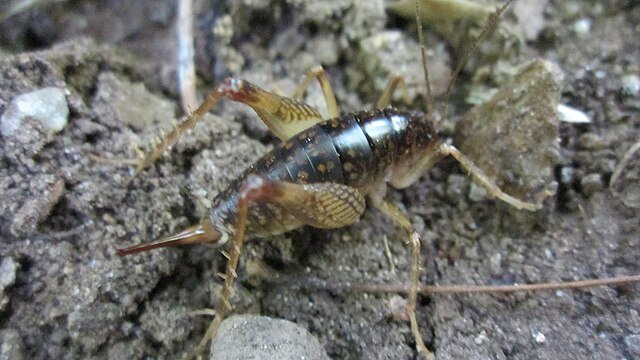
 Grape Phylloxera
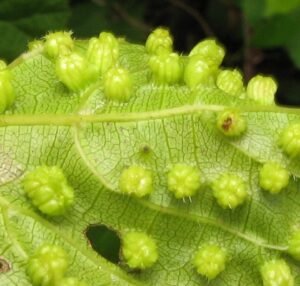 Grape Phylloxera
The Grape Phylloxera (Daktulosphaira vitifoliae) is one of the most destructive vineyard pests ever recorded. Native to North America, this tiny aphid-like insect devastated European vineyards during the 19th century and permanently changed global grape production. Today, it remains a major concern in wine-producing regions worldwide because it attacks grapevine roots and, in some cases, leaves, gradually weakening or killing susceptible vines.
Unlike many vineyard pests that feed on leaves or fruit, Grape Phylloxera causes most of its damage below ground, making infestations difficult to detect during the early stages. Preventing its introduction and using resistant rootstocks are the most effective long-term management strategies.
What Is Grape Phylloxera?
Grape Phylloxera is a tiny sap-feeding insect belonging to the family Phylloxeridae. It feeds by piercing grapevine tissues with specialized mouthparts. The insect has both root-feeding and leaf-feeding forms, although root infestations are responsible for the most severe economic damage.
Identification
Eggs
Eggs are extremely small, oval, and yellowish. They are usually deposited near feeding sites on roots or within leaf galls depending on the life stage.
Nymphs
Immature stages resemble miniature adults. They are pale yellow to greenish and remain close to feeding sites while developing through several molts.
Adults
Most adults are tiny, soft-bodied, wingless insects measuring less than 1 mm long. Winged forms occasionally develop and help spread infestations to nearby vines.
Biology & Ecology
Grape Phylloxera has a remarkably complex life cycle involving both sexual and asexual reproduction. Depending on environmental conditions and grape variety, multiple generations may develop during a single growing season.
The root-feeding forms puncture young roots, stimulating the formation of swellings known as nodosities and tuberosities. These wounds interfere with water and nutrient uptake while creating entry points for fungal pathogens that accelerate root decay.
Leaf-feeding forms create characteristic galls on susceptible grape varieties, although these usually cause less economic damage than root infestations.
Global Distribution
Grape Phylloxera is established in nearly every major grape-growing region worldwide, including Europe, North America, South America, Australia, New Zealand, South Africa, and parts of Asia. The widespread use of resistant American rootstocks has greatly reduced its impact but has not eliminated the pest.
Risks & Damage
Root feeding progressively weakens vines, reducing their ability to absorb water and nutrients. Severe infestations may eventually kill susceptible grapevines within several years.
Common symptoms include:
- Reduced vine vigor
- Poor shoot growth
- Yellowing leaves
- Reduced grape production
- Small fruit clusters
- Premature vine decline
- Root swellings and decay
In practice, vineyard managers often mistake early Phylloxera damage for drought stress or nutrient deficiencies because above-ground symptoms develop gradually while the root system continues deteriorating underground.
Signs of Grape Phylloxera Infestation
Early diagnosis is challenging because most damage occurs below the soil surface.
- Weak or stunted vines
- Yellow or undersized leaves
- Reduced grape yield
- Poor vine growth despite adequate irrigation
- Root swellings (nodosities and tuberosities)
- Leaf galls on susceptible grape varieties
A common mistake is applying additional fertilizer when vines begin declining. Nutrient deficiencies are often a symptom rather than the primary problem if damaged roots cannot absorb water and minerals effectively.
Control & Prevention Methods
Use Resistant Rootstocks
The most effective long-term control method is planting susceptible grape varieties onto Phylloxera-resistant American rootstocks. This practice has become the global standard for commercial vineyards.
Monitoring
Regular vineyard inspections should include evaluation of vine vigor, root health, and the presence of leaf galls where susceptible varieties are grown.
Sanitation
- Use certified planting material.
- Clean equipment before moving between vineyards.
- Avoid transporting contaminated soil.
- Remove severely affected vines when necessary.
Biological Control
Natural predators exist but generally provide limited control because most Phylloxera populations remain protected underground on grape roots.
Chemical Control
Chemical control is generally limited because root-feeding populations are difficult to reach with insecticides. Preventive vineyard management and resistant rootstocks remain far more effective than attempting to eliminate established infestations.
Advanced Professional Approaches
Commercial vineyards combine certified planting material, resistant rootstocks, regular monitoring, vineyard sanitation, and quarantine practices as part of an Integrated Pest Management (IPM) program.
What most people don't realize is that modern viticulture largely depends on resistant rootstocks developed after the devastating European Phylloxera epidemic of the late 1800s. Most premium wine grapes today are still grafted onto resistant root systems for long-term protection.
If you manage vineyards, see our guide on Grape Berry Moth for another important grape pest. You may also find our article on Mealybugs useful because they can transmit important grapevine diseases.
FAQ
What plants does Grape Phylloxera attack?
It feeds almost exclusively on grapevines, particularly species within the genus Vitis.
Why was Grape Phylloxera historically important?
It caused the destruction of millions of European grapevines during the late 19th century, transforming vineyard management worldwide.
Can Grape Phylloxera kill vines?
Yes. Severe root infestations gradually weaken vines and may eventually kill susceptible grape varieties.
How does Grape Phylloxera spread?
It spreads through infested planting material, soil movement, machinery, irrigation water, and occasionally winged adults.
What is the best treatment for Grape Phylloxera?
Using resistant rootstocks is the most reliable and sustainable control method available.
Can insecticides eliminate Grape Phylloxera?
Complete eradication using insecticides alone is rarely successful because most populations feed deep within the root system.
Final Thoughts
Grape Phylloxera remains one of the most significant vineyard pests in history. Although resistant rootstocks have dramatically reduced its impact, careful monitoring, certified planting material, and good vineyard hygiene remain essential for protecting healthy vines and maintaining long-term grape production.
Disclaimer
This article is for informational purposes only. Food safety (HACCP) and pest control requirements vary by country, authority, and type of food business. For legal compliance and audit readiness, always consult a qualified HACCP professional and a licensed pest control operator in your area.
All pest control measures must use approved products and be applied strictly according to the product label, as required by law in most jurisdictions (including the EU, UK, and USA). Improper use of pesticides, lack of documentation, or absence of a structured pest monitoring program may lead to non-compliance, fines, or business closure.
A compliant system must include documented procedures, monitoring records, corrective actions, and verification. Pest control is not optional—it is a core prerequisite program under HACCP and must be properly implemented, recorded, and reviewed.
Author Bio
BSc Agronomist & Certified Pest Control Expert
Scientific Director – Advance Services (Athens, Greece)
Licensed Pest Control Business – Ministry of Rural Development & Food (GR)